

What Benefits Can I Claim for Depression and Anxiety in the UK?
Mental health conditions like depression and anxiety affect millions of people in the UK. While managing these conditions is challenging, financial support is available to help individuals cope with daily living expenses and medical needs.
This guide explores the benefits you may be eligible to claim, offering a comprehensive overview of available support for mental health challenges.
What Is the Connection Between Mental Health and Eligibility for Benefits?
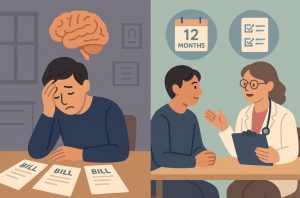
Mental health conditions such as depression and anxiety can have a profound impact on an individual’s daily life, relationships, and ability to work or manage household responsibilities.
In the UK, these conditions are recognised as potential disabilities under the Equality Act 2010, provided they meet specific criteria.
To qualify for disability benefits, a mental health condition must:
- Be long-term, meaning it has lasted or is expected to last 12 months or more.
- Have a substantial effect on daily activities, such as preparing meals, maintaining hygiene, or engaging in social interactions.
Key Factors Considered During Assessment
When assessing eligibility, authorities consider how mental health conditions:
- Affect your ability to perform basic tasks, such as travelling independently or managing money.
- Impact your physical health, as anxiety and depression often contribute to fatigue or chronic pain.
- Influence your ability to work or study, including maintaining consistent attendance.
Eligibility is assessed through evidence, such as medical records, GP or specialist reports, and personal testimonies about how the condition limits daily functioning.
This recognition ensures that mental health challenges are treated with the same seriousness as physical disabilities when it comes to accessing financial support.
What Benefits Can I Claim for Depression and Anxiety in the UK?
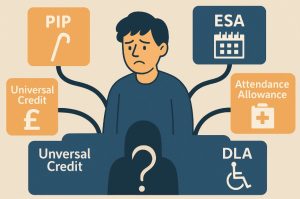
In the UK, individuals experiencing depression or anxiety may qualify for various benefits designed to provide financial assistance and improve their quality of life.
Below is a detailed exploration of the available benefits, including the latest payment rates for 2024/25.
Personal Independence Payment (PIP)
PIP is available to individuals aged 16 to state pension age who face challenges with daily living or mobility due to health conditions, including mental health issues like depression and anxiety.
Eligibility Criteria:
- Your condition must have lasted or be expected to last at least 12 months.
- You must demonstrate how your condition affects your ability to perform daily tasks or travel independently.
Components of PIP:
- Daily Living Component: For those who require assistance with everyday activities like cooking or managing medication.
- Mobility Component: For individuals who struggle with planning and making journeys.
Rates for 2024/25:
| Component | Standard Weekly Rate | Enhanced Weekly Rate |
| Daily Living Part | £72.65 | £108.55 |
| Mobility Part | £28.70 | £75.75 |
Employment and Support Allowance (ESA)
ESA provides financial support to individuals unable to work due to health conditions or disabilities, including mental health conditions.
Types of ESA:
- Contribution-Based ESA: For those who have paid sufficient National Insurance contributions.
- Income-Related ESA: A means-tested benefit for those with low income or savings.
Eligibility Process:
- Applicants must complete a Work Capability Assessment to determine their eligibility and whether they’ll be placed in the Support Group or the Work-Related Activity Group (WRAG).
Rates for 2024/25:
| Phase | Group | Weekly Rate |
| Assessment Phase | Aged under 25 | Up to £71.70 |
| Aged 25 and over | Up to £90.50 | |
| Main Phase | WRAG (before 3 April 2017) | Up to £126.45 |
| WRAG (on or after 3 April 2017) | Up to £90.50 | |
| Support Group | Up to £138.20 |
Note: No payments are made during the first seven days of your claim, known as “waiting days.”
Universal Credit
Universal Credit is a monthly payment for individuals or families on low income or out of work. It combines multiple benefits and provides additional elements based on personal circumstances.
Monthly Standard Allowance for 2024/25:
| Household Type | Monthly Standard Allowance |
| Single, under 25 | £311.68 |
| Single, 25 or over | £393.45 |
| Couple, both under 25 | £489.23 (for both) |
| Couple, one or both 25 or over | £617.60 (for both) |
Extra Amounts:
For Children:
- Up to 31 August after their 16th birthday, or 19th birthday if in eligible education or training.
Extra monthly amount:
- Lower rate: £156.11
- Higher rate (if disabled): £487.58
For Childcare Costs:
- Up to 85% of childcare costs can be claimed back, with maximum monthly amounts of:
- £1,014.63 for one child
- £1,739.37 for two or more children
For Disabilities:
- Limited Capability for Work and Work-Related Activity: £416.19 extra monthly.
- Limited Capability for Work (claim started before 3 April 2017): £156.11 extra monthly.
- Important Note: Additional support for upfront childcare costs can be arranged by contacting your work coach after claiming Universal Credit.
Disability Living Allowance (DLA) for Children
DLA is specifically for children under 16 with physical or mental disabilities, including depression and anxiety.
Components:
- Care Component: For assistance with daily activities.
- Mobility Component: For travel-related challenges.
Note: Once the child turns 16, they will need to transition to PIP.
Attendance Allowance
Attendance Allowance is for individuals over the state pension age who require help due to a physical or mental disability, such as depression or anxiety.
Eligibility Criteria:
- The condition must affect your ability to look after yourself.
- There’s no mobility component with this benefit.
Rates for 2024/25:
| Level of Help Needed | Weekly Rate |
| Frequent help during the day or night | £72.65 |
| Help during both day and night | £108.55 |
Are There Additional Grants and Support for Mental Health Challenges?
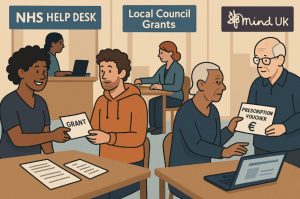
Beyond standard government benefits, individuals with depression and anxiety can access additional financial support and services to improve their quality of life.
NHS Low Income Scheme (LIS)
This scheme provides financial assistance for healthcare costs, such as:
- Prescriptions
- Dental treatments
- Eye care
Applicants must meet income criteria to qualify, and both full and partial support options are available.
Local Council Assistance
Local councils in the UK offer discretionary financial assistance to residents struggling to meet basic needs. This can include:
- Emergency grants for rent or utilities.
- Crisis support for food and essential items.
- Discretionary Housing Payments for those receiving housing benefits but facing additional rent costs.
Charitable Organisations
Many charities provide specialised support for individuals with mental health challenges. Examples include:
- Mind: Offers grants and financial advice tailored to mental health needs.
- Rethink Mental Illness: Provides funding and resources for individuals navigating complex financial situations.
- The Turn2us Grants Search Tool: Helps locate grants available for mental health and financial hardship.
Employment Grants
For those seeking to return to work, the Access to Work Scheme provides funding for workplace adjustments, mental health support, and assistive technologies.
These additional resources bridge gaps in support, ensuring individuals with depression and anxiety have access to comprehensive aid beyond traditional benefits.
How Can You Apply for Mental Health Benefits in the UK?
Applying for mental health benefits in the UK can feel overwhelming, but understanding the process can make it more manageable. Here’s a step-by-step guide:
Research Eligibility Criteria
Before applying, review the specific eligibility criteria for each benefit. For example:
- PIP: Requires evidence of difficulties with daily living or mobility.
- ESA: Requires a Work Capability Assessment to determine if you’re unable to work.
- Universal Credit: Available for those with limited income or work capacity.
Gather Supporting Evidence
Medical evidence is crucial for a successful claim. This may include:
- Doctor’s Letters: Statements from your GP or psychiatrist explaining how your condition affects you.
- Specialist Reports: Assessments from mental health professionals.
- Personal Statements: Examples of how depression or anxiety limits your ability to carry out daily tasks.
Complete the Application Forms
Each benefit has a unique application process. Forms can be completed:
- Online: Universal Credit and ESA applications are available on the government website.
- By Post: Paper forms are available for PIP and Attendance Allowance.
- By Phone: Helplines provide guidance and support for applications.
Prepare for Assessments
For benefits like PIP and ESA, claimants must attend assessments to verify how their condition impacts their life. Tips for preparation include:
- Be honest and detailed about your struggles.
- Provide real-life examples of daily challenges.
- Bring supporting documents to strengthen your case.
Follow Up
After submitting your application, keep track of progress by:
- Staying in touch with the relevant department.
- Ensuring all requested information is provided promptly.
Appeal If Necessary
If your application is denied, you can:
- Request a mandatory reconsideration within one month.
- Appeal to a tribunal if the reconsideration fails.
Step-by-Step Application Summary:
-
Check Eligibility: Read official benefit pages or use benefit calculators.
-
Gather Evidence: GP letters, mental health nurse reports, personal diaries, care plans.
-
Apply Through the Right Channel:
-
Online: Universal Credit, ESA
-
By post: PIP, Attendance Allowance
-
By phone: DWP helplines
-
-
Prepare for Assessments:
-
Be honest and detailed—describe your worst days.
-
Consider bringing a companion or support worker.
-
-
Appeal if Denied:
-
Request a mandatory reconsideration.
-
Prepare for a tribunal if needed—success rates are high with persistence.
-
Tools That Help:
-
PIP Diary Template – Citizens Advice
What Are Common Challenges in Claiming Benefits?
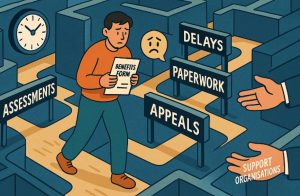
Claiming mental health benefits is often complicated, with several potential challenges:
Misunderstanding Mental Health Disabilities
Unlike visible disabilities, mental health conditions like depression and anxiety can be harder to quantify. Some applicants face skepticism when trying to explain how their condition affects them.
Tip: Provide clear examples of how your mental health impacts everyday tasks, like maintaining hygiene, shopping, or attending appointments.
Insufficient Evidence
- One of the main reasons claims are rejected is a lack of supporting documentation.
- Detailed evidence from medical professionals and personal accounts is crucial.
Complex Assessment Process
- Benefits like PIP and ESA require medical assessments, which can be stressful and challenging.
- Assessors may not always fully understand the nuances of mental health conditions.
Tip: Request a companion to attend the assessment with you for support.
Delays and Bureaucracy
- Applications can take weeks or even months to process, causing financial strain.
- Miscommunication or missing paperwork can prolong the process further.
Tip: Double-check all forms and documents before submission to avoid delays.
Rejections and Appeals
Many claims are initially denied, requiring a mandatory reconsideration or appeal. The appeals process can feel daunting, but persistence often leads to successful outcomes.
Tip: Seek support from organisations like Citizens Advice or Scope for assistance with appeals.
| Challenge | How to Tackle It |
|---|---|
| Vague explanations | Use specific examples from daily life |
| Lack of evidence | Collect recent and thorough documentation |
| Poor assessment experience | Request assessment recording or take someone with you |
| Application rejections | Appeal with extra evidence and community support |
Are There Mental Health Benefits for Students in the UK?
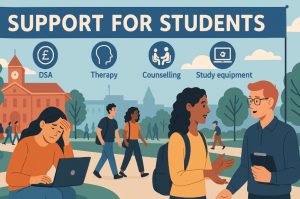
Yes, students with depression or anxiety can access various financial aids and support systems to help them succeed in their studies:
Disabled Students’ Allowances (DSAs)
DSAs provide funding to cover additional study-related costs caused by a mental health condition.
Eligibility: Must have a mental health condition that affects your ability to study.
Support Provided: May include funding for:
- Specialist equipment, such as a computer with assistive software.
- Mental health mentoring support.
- Travel costs if using public transport is difficult due to your condition.
University Support Services
Many universities offer mental health support, including:
- Counselling Services: Free or subsidised therapy sessions for students.
- Financial Hardship Funds: Emergency grants for students facing financial difficulties due to mental health challenges.
NHS Support for Students
Students can access NHS mental health services, such as:
- Therapy: Free or subsidised counselling and cognitive behavioural therapy (CBT).
- Medication Costs: Assistance through the NHS Low Income Scheme.
Part-Time Study Options
- Students struggling to maintain full-time study due to depression or anxiety can switch to part-time courses while retaining some benefits and student funding.
What Support Is Available for Carers of People with Mental Health Issues?
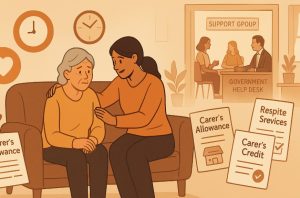
Carers play a vital role in supporting individuals with mental health conditions. The UK recognises their contributions by offering financial aid and other resources.
Carer’s Allowance
Carer’s Allowance is available for individuals spending at least 35 hours a week caring for someone with a mental health condition.
- Eligibility: The person you care for must be receiving a qualifying benefit (e.g., PIP).
- Payment: A weekly allowance to ease financial pressure.
-
£76.75/week (2024/25), based on 35+ hours of unpaid care.
-
Can affect other benefits—check before applying.
Carer’s Credit
- For carers not eligible for Carer’s Allowance, Carer’s Credit helps maintain National Insurance contributions, protecting your State Pension.
- Protects your National Insurance contributions for future pension.
Respite Care Support
- Carers can access respite care services, which provide temporary relief by arranging care for their loved ones.
- This allows carers to take breaks and focus on their own well-being.
-
Local councils offer assessments and financial or practical support.
-
Includes breaks, household help, and emergency planning tools.
Local Authority Support
Under the Care Act 2014, local authorities must assess a carer’s needs and may offer financial or practical support, such as:
- Assistance with household tasks.
- Training on managing mental health crises.
- Grants for carer-related expenses.
Charitable Resources for Carers
Organisations like Carers UK and Rethink Mental Illness provide:
- Emotional support through helplines and peer groups.
- Guidance on navigating benefits and grants.
- Access to workshops and training programs.
-
Carers UK: Advocacy, online forums, wellbeing support.
-
Rethink Mental Illness: Mental health carer guidance and helpline.
Being a carer is a demanding role, but these resources aim to alleviate financial and emotional stress while ensuring carers have the support they need.
Additional Resources for Mental Health and Benefits
Here are trusted organisations and tools to help you navigate your claim:
| Resource | What It Offers |
|---|---|
| Citizens Advice | Free advice on benefit claims and appeals |
| Scope | Disability support including benefits advice |
| Mind | Mental health support and financial wellbeing guides |
| Rethink | Guidance for people living with or supporting someone with mental illness |
| Mental Health & Money Advice | Specialised advice for financial issues caused by mental health |
Conclusion
The UK provides a range of benefits to support individuals living with depression and anxiety, helping them manage financial challenges and improve their quality of life.
From Personal Independence Payment (PIP) to Universal Credit, these benefits are designed to address specific needs, offering tailored support to those who qualify.
While the application process may seem daunting, resources like Citizens Advice and Scope can guide you through the system.
Seeking the right benefits can make a significant difference, so don’t hesitate to explore the options available and access the help you deserve.
FAQs
Can I claim benefits for mild depression or anxiety?
Yes, but you must demonstrate how the condition significantly impacts your daily activities or ability to work.
How long does it take to process a PIP claim?
It typically takes 12 to 16 weeks from the date of application to receive a decision.
Can I get Universal Credit if I work part-time?
Yes, you can claim Universal Credit if your income is low and you meet the eligibility criteria.
What happens if my ESA or PIP application is denied?
You can request a mandatory reconsideration and, if necessary, appeal the decision to a tribunal.
Is there financial support for carers of people with mental health conditions?
Yes, carers can apply for Carer’s Allowance or Carer’s Credit, provided they meet the eligibility criteria.