

Can I Get Universal Credit if I Own a House?
Universal Credit is designed to support individuals and families who need financial help with their living costs. If you’re a homeowner, you may be unsure whether owning property affects your eligibility.
While it’s a common assumption that owning a home disqualifies you from claiming, the answer is more nuanced.
In many cases, you can claim Universal Credit as a homeowner, but there are strict conditions tied to capital, earnings, and housing costs. This article explores these rules in detail to help you understand where you stand.
How Does the Universal Credit System Treat Homeowners?
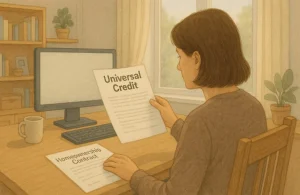
The Universal Credit system treats homeowners differently from renters, especially when it comes to housing support.
As a homeowner, you’re not eligible for the housing cost element to pay your mortgage directly. However, you may still qualify for other forms of help depending on your situation.
If you live in your own home, it’s typically excluded from capital assessments. But if you own another property or have significant equity, this might count toward your total capital and affect your eligibility.
Key considerations include:
- Your primary residence is ignored for capital calculations
- Mortgage repayments are not covered, but some costs might be
- Service charges in leasehold homes can be supported under conditions
Universal Credit is available to homeowners if they meet the other eligibility criteria, including the income threshold and capital limits.
Why Do Savings, Capital, and Income Matter When Applying Universal Credit?
To assess your eligibility for Universal Credit, the system evaluates your financial resources, including capital, savings, and income. These components influence how much you receive and whether you qualify at all.
What Is Counted as Capital?
Capital includes:
- Savings in bank or building society accounts
- Investments like shares or ISAs
- Equity in second properties or non-residential assets
- Lump sums from compensation or inheritance
Capital from your main residence is not considered, but other properties might be.
How Income Affects Your Universal Credit?
There are two types of income the Department for Work and Pensions (DWP) assesses:
- Earned income: wages, self-employment earnings
- Unearned income: pensions, rental income from second homes
Capital Limits That Impact Your Claim
| Capital Amount | Impact on Universal Credit |
| £0 to £6,000 | Full entitlement possible |
| £6,000 to £16,000 | Reduced amount, tapered |
| Over £16,000 | Usually disqualified |
Being above the capital threshold of £16,000 typically makes you ineligible. Income and capital are combined to calculate your total eligibility and award amount.
Can You Get Universal Credit if You Own a House?
Yes, you can still receive Universal Credit if you own your home, provided you meet the eligibility requirements.
Owning a house does not automatically disqualify you from support, especially if it’s your primary residence. The Universal Credit system looks at your total capital, income, and living arrangements.
You will not receive assistance with mortgage repayments through the housing element. Instead, you may be eligible for Support for Mortgage Interest (SMI) after a waiting period.
To qualify for any housing-related help, your earnings must be zero during that time. If you live in a leasehold property, you might get help with approved service charges under similar conditions.
What Housing Costs Can You Claim as a Homeowner?
As a homeowner, you won’t receive the housing cost element to cover mortgage repayments. However, there are specific housing-related expenses that you can claim for, provided you meet the criteria.
These include:
- Service charges for leasehold properties
- Ground rent, if it’s part of your lease terms
- Shared ownership rent, if applicable
To qualify for these, you must:
- Be on Universal Credit for at least 9 months
- Have no earned income during that period
Here is a breakdown of which costs are eligible:
| Housing Cost Type | Eligible for UC? | Conditions |
| Mortgage Repayments | No | Covered under SMI after 9 months |
| Leasehold Service Charges | Yes | No earned income for 9 months |
| Shared Ownership Rent | Yes | Must be lease-based |
| Council Tax or Insurance | No | Not included in UC |
| Ground Rent (under lease) | Yes | Covered as part of the service charge |
These rules apply strictly and are only available when the conditions are met.
What Is Support for Mortgage Interest (SMI) and How Does It Help Homeowners?

Support for Mortgage Interest (SMI) is a government-backed loan, not a benefit, that helps homeowners on Universal Credit cover the interest on their mortgage.
You may be eligible for SMI if:
- You’ve been receiving Universal Credit for at least 9 months
- You have no earned income during that period
SMI only covers:
- Interest on mortgages (not capital repayments)
- Some secured loans
- It doesn’t cover arrears or missed payments
The SMI loan accrues interest and is repayable when you sell your home or transfer ownership. While it offers short-term relief, it’s important to understand it’s a debt, not a grant.
What If You Own a Second Property or Share Ownership?
Owning a second property or being in a shared ownership arrangement affects your Universal Credit differently than owning your primary home.
If you own a second property, the DWP considers its:
- Current market value
- Outstanding mortgage
- Potential rental income
You’ll be assessed on the net capital value, and if it exceeds the £16,000 limit, you could be ineligible.
Shared Ownership Rules:
Shared ownership lets you part-own and part-rent a property. You might still qualify for:
- Help with your rent portion
- Support for Mortgage Interest on your ownership share
Important Notes:
- The second property counts as capital
- Rental income must be reported
- Shared ownership costs are partly supported depending on your lease
Always report changes in property status to ensure accurate Universal Credit calculations.
How Does Earned Income Impact Support for Homeowners on Universal Credit?

Your earned income has a direct effect on your Universal Credit entitlement and your ability to claim housing-related support. The system includes a work allowance, which is the amount you can earn before your benefits are reduced.
If you’re a homeowner and not receiving housing support, your work allowance is typically £631 per month. Any income above this reduces your benefit by 55p per £1 earned.
You cannot receive:
- Support for Mortgage Interest
- Leasehold service charge help
If you have any earned income during the 9-month qualifying period. To receive these, you must have zero earnings throughout that time. Unearned income, such as pensions or rental payments, also affects your benefit amount and must be declared.
What to Consider Before Applying for Universal Credit as a Homeowner?
Before applying for Universal Credit as a homeowner, you must assess your financial situation carefully. Not all homeowners will be eligible, and some may only receive limited support.
Financial Checklist
- Do you have less than £16,000 in capital?
- Is your property your main residence?
- Do you have no earned income currently?
- Have you been on UC for 9 months?
Situational Considerations
- Temporary absences: If you’re away from your home due to hospitalisation or refuge, DWP might still disregard your property.
- Partner or relative residence: If a partner or qualified relative lives in your home, it may not be counted as capital.
Additional Steps:
- Use an official benefits calculator
- Seek help from a local advice centre
- Keep records of your mortgage, service charges, and income
Ensuring you meet these requirements increases your chances of qualifying for full or partial Universal Credit support.
Conclusion
Owning a home does not automatically disqualify you from receiving Universal Credit. The system looks at a combination of capital, income, and your living situation.
While you won’t get help with mortgage repayments through the standard housing element, support is available under certain conditions.
If you’re a leaseholder or in shared ownership, you may be able to access limited housing support. Understanding the rules before you apply can help you navigate the process with clarity and confidence.
Frequently Asked Questions
Can I apply for Universal Credit while I’m selling my home?
Yes, if you’re actively trying to sell the home, its value may be temporarily disregarded for up to 6 months.
What happens if I have a mortgage but no income?
You may qualify for a Support for Mortgage Interest loan after nine months with no earnings.
Does owning property abroad affect my Universal Credit?
Yes, foreign properties are assessed as capital and could reduce or disqualify your entitlement.
Can Universal Credit help with emergency home costs?
Universal Credit does not cover emergency costs directly, but you may apply for discretionary or local council help.
Will my partner’s home ownership affect my Universal Credit?
Yes, both partners’ assets and income are assessed together in joint claims.
What if I temporarily move out of my home?
If you intend to return, your home may be disregarded during a temporary absence like hospitalisation or refuge stay.
How long can capital from a house sale be disregarded?
Capital from a house sale can be ignored for up to 6 months if you plan to use it to purchase a new home.
Also Read: