20 Acceptable Reasons for Missing a Universal Credit Appointment – Top Valid Excuses
Missing a Universal Credit appointment can be worrying, but in many cases the DWP may accept your absence if you had a genuine and unavoidable reason.
Acceptable reasons for missing a Universal Credit appointment usually include illness, mental health problems, childcare emergencies, bereavement, legal obligations, severe travel disruption, or other urgent situations outside your control.
The most important step is to tell the DWP as soon as possible and provide supporting evidence where you can.
Key points to know:
- You should report the missed appointment immediately through your UC journal
- The DWP looks at whether you had a “good reason”
- Evidence such as GP notes, court letters, or school messages can help
- Acting quickly can reduce the risk of a sanction
This guide explains the top accepted reasons and what you should do next.
What Is Considered an Acceptable Reason for Missing a Universal Credit Appointment?

An acceptable reason for missing a Universal Credit appointment, also called a “good reason” by the DWP, refers to circumstances that are unforeseen, unavoidable, and beyond your control, preventing attendance despite your intention to attend.
The DWP evaluates each case individually. Key considerations include:
- Whether the absence was genuinely outside your control.
- How promptly you notified the DWP of your situation.
- Whether supporting evidence can verify your explanation.
Commonly recognised reasons include: illness (physical or mental), emergencies involving dependents, bereavement, court obligations, transport failures, and technical issues.
Real Claimant Insights:
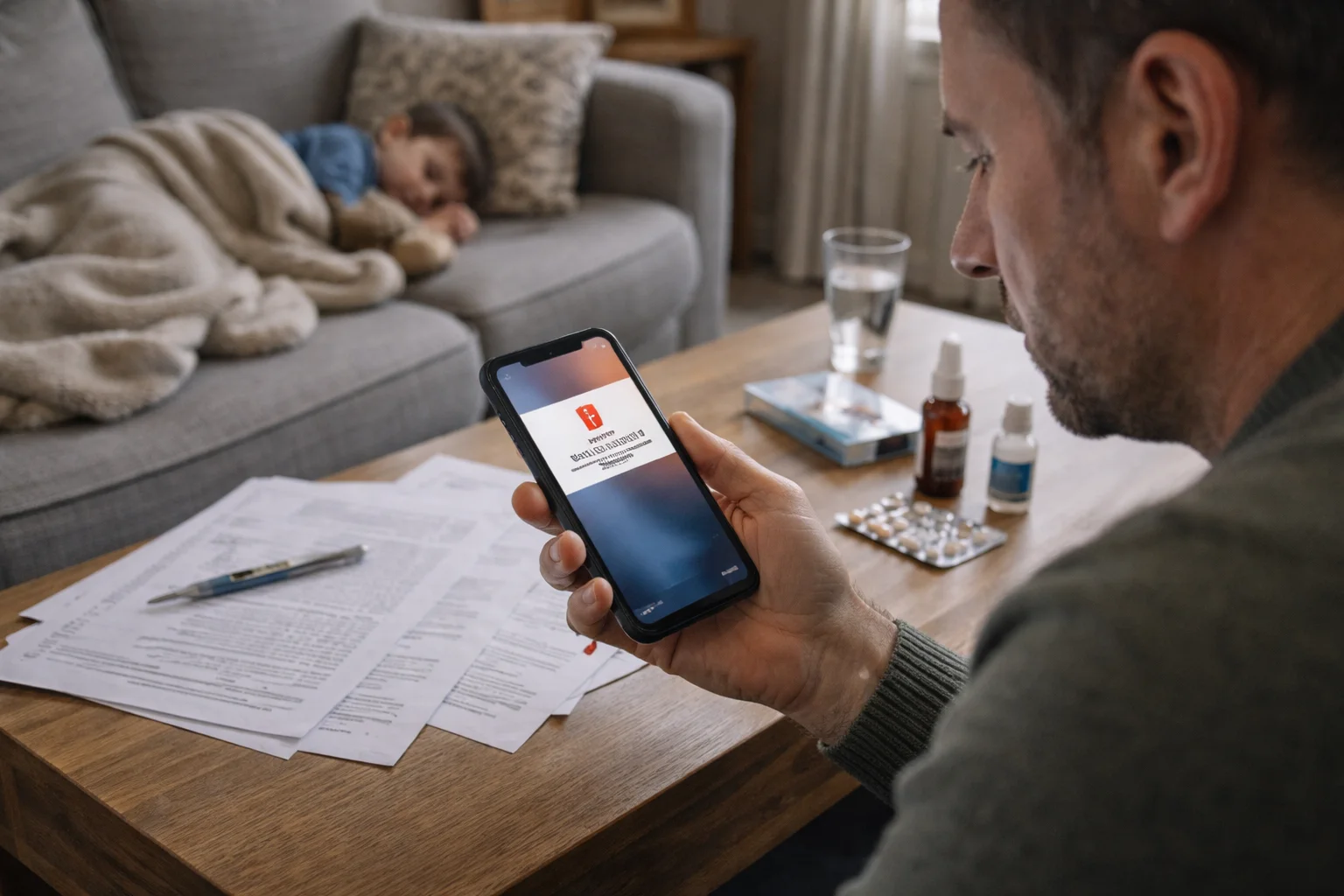
Sarah, a single mother from Manchester, missed her appointment because her child developed a sudden high fever and the nursery called her in immediately.
“I contacted the DWP through my journal within an hour, attached a GP note for my child, and my appointment was rescheduled without any sanctions,” she explains.
For a reason to be accepted, it’s crucial to notify the DWP as soon as possible, ideally through your Universal Credit journal, including any relevant documentation.
Transparency and prompt communication significantly increase the chances of your absence being excused.
Why Are Universal Credit Appointments Important?
Universal Credit appointments serve several important purposes in managing your claim and ensuring you receive the correct level of support.
They allow the DWP to:
- Review your progress in seeking employment
- Confirm that you are meeting the terms of your claimant commitment
- Assess any changes in your financial or personal circumstances
- Provide guidance, support, and job-search advice tailored to your situation
These meetings may take place in person, over the phone, or online, depending on your circumstances.
Missing an appointment without a valid reason could be seen as non-compliance, which may lead to payment delays, benefit reductions, or even sanctions.
Official’s Comment:
A DWP work coach recently stated,
“Appointments are designed to support claimants in managing their claims effectively; attendance is a key measure of engagement.”
Attending these appointments helps keep your claim active, ensures your information is up to date, and gives you the opportunity to raise concerns or ask questions.
On the other hand, failing to attend can create gaps in your record, disrupt your payments, and delay the support you rely on.
What Happens If You Miss a Universal Credit Appointment Without a Valid Reason?

Missing a Universal Credit appointment without providing a valid reason can lead to serious consequences, including sanctions and reduced payments.
The DWP typically follows these steps:
- First-time absence: May trigger a warning or a short-term sanction.
- Repeated absences: Could lead to longer deductions from benefits.
- Persistent non-attendance: May escalate to a decision maker for review.
Factors considered include the timing of notification, clarity of your explanation, and availability of supporting evidence.
| Sanction Stage | Description |
|---|---|
| First-time | Warning or short-term payment reduction |
| Second-time | Longer benefit deduction, often several weeks |
| Repeated | Case escalated to decision maker for formal review |
Failing to explain your absence may result in the temporary withholding of payments. The DWP emphasises that prompt, honest communication is essential to avoid penalties.
Can You Avoid Sanctions If You Miss an Appointment?
Yes, you can avoid sanctions if you act quickly and provide a clear explanation.
Inform your work coach or update your journal as soon as possible, explaining why you missed the appointment and sharing any supporting evidence such as medical notes, legal documents, or proof of emergencies.
Being proactive, honest, and detailed in your response can make a big difference. In many cases, your appointment will simply be rescheduled rather than leading to a sanction, helping you keep your claim active without disruption.
Real Claimant Example:
I came across a case where Emily, based in Manchester, missed her Universal Credit appointment due to an unexpected hospital visit.
She later shared her experience, explaining that she uploaded her hospital discharge summary to her journal and added a message outlining the situation.
According to her, the work coach responded the same day and arranged a new appointment without any issues.
This example shows how acting quickly and providing the right evidence can help you avoid problems and keep your claim running smoothly.
Top 20 Acceptable Reasons for Missing a Universal Credit Appointment
Below are the most commonly recognised reasons, along with suggested evidence. Each reason should still be reported to the DWP as soon as possible, ideally through your Universal Credit journal, so your absence can be reviewed fairly.
1. Illness or Medical Emergency

Unexpected illness is one of the clearest and most widely accepted reasons for missing a Universal Credit appointment.
From a severe migraine or flu to more serious issues such as infections, asthma attacks, sudden injuries, or an unexpected hospital visit, health problems can make it unsafe or unrealistic for you to attend.
When a medical issue affects your ability to travel, speak on the phone, or take part in an online meeting, the DWP will often consider this “good cause”. It helps to explain what happened, when it happened, and how it prevented you from attending.
Although evidence is not always essential, it can strengthen your case and make it easier for your work coach to reschedule the appointment.
Recommended steps:
- Inform the DWP through your UC journal
- Mention the nature, timing, and impact of the illness
- Attach medical evidence where available
Evidence examples:
| Evidence Type | Example or Description |
|---|---|
| GP Letter or Sick Note | Written confirmation of illness from your doctor |
| Hospital Document | A&E discharge summary or hospital admission letter |
| Prescription Record | Proof of prescribed medication with date and condition noted |
| Appointment Slip | Proof of a medical appointment around the date of absence |
As one claimant shared:
“I woke up with a severe chest infection and could barely get out of bed, let alone travel to the Jobcentre. I updated my journal that morning and uploaded my GP note later the same day. My appointment was rearranged without any issues.”
Health should always take priority, and the DWP will usually respond fairly when your illness or medical emergency is explained clearly and supported with relevant evidence.
2. Mental Health Crisis

A mental health crisis is also a recognised reason for missing a Universal Credit appointment. Conditions such as anxiety, depression, panic attacks, PTSD, or emotional distress can make it extremely difficult for you to leave home, speak on the phone, or take part in an online meeting.
When your mental health affects your ability to attend, the DWP may accept this as “good cause”, particularly if you explain the situation clearly once you are able to do so.
You do not need to share deeply personal details, but it is helpful to describe how the episode affected your ability to attend. Evidence can support your explanation, although it may not always be required.
Recommended steps:
- Update your UC journal as soon as you feel able
- Explain how your mental health affected your ability to attend
- Attach any supporting evidence if available
Evidence examples:
| Evidence Type | Example or Description |
|---|---|
| Therapist or GP Letter | Statement explaining the mental health episode or treatment |
| Support Worker Note | Confirmation from a support service about the crisis impact |
| Appointment Confirmation | Proof of mental health support or treatment appointment |
| Journal Entry | Personal explanation if formal evidence is not available |
Mental health should be treated just as seriously as physical health, and the DWP will often respond supportively when the issue is explained honestly and respectfully.
3. Bereavement or Funeral

Bereavement is one of the most compassionate and well-recognised reasons for missing a Universal Credit appointment.
The death of a relative, friend, or someone close to you can affect your ability to travel, think clearly, or manage practical responsibilities such as funeral arrangements.
Whether you were attending a funeral, helping organise it, or simply coping with the emotional shock of the loss, the DWP will often accept this as a valid reason.
It helps to explain your relationship to the person and when the loss happened. Supporting documents can make the situation easier for your work coach to assess.
Recommended steps:
- Report the bereavement through your journal or by phone
- Mention your relationship to the deceased and the timing
- Share any supporting information if available
Evidence examples:
| Evidence Type | Example or Description |
|---|---|
| Funeral Invitation | Document showing the funeral date, time, and details |
| Death Certificate | Official confirmation of the bereavement |
| Funeral Director Letter | Proof of your involvement in arrangements or attendance |
| Counsellor’s Note | Evidence if grief affected your ability to attend |
Bereavement is usually treated with understanding, and the DWP will often excuse the absence when the situation is explained clearly and with sensitivity.
4. Caring for a Dependent or Elderly Person

Caring responsibilities can change suddenly, and an emergency involving a child, elderly parent, or disabled person may prevent you from attending your Universal Credit appointment.
If someone who depends on you becomes ill, distressed, or needs urgent support, your attention will naturally need to be elsewhere.
The DWP generally recognises that care emergencies are unpredictable and can amount to “good cause”. What matters is showing that the situation was urgent and that your role as a carer made it impossible or unreasonable for you to attend the meeting at that time.
Recommended steps:
- Notify the DWP as soon as possible through your journal
- Explain who needed care and why the situation was urgent
- Attach any supporting evidence if you can
Evidence examples:
| Evidence Type | Example or Description |
|---|---|
| GP Note | Confirmation of the dependent’s illness or condition |
| Social Worker Letter | Statement explaining your care responsibilities |
| School or Nursery Message | Notice about illness or emergency collection |
| Emergency Service Note | Proof if urgent services were involved |
When caring duties arise without warning, the DWP will often accept the reason if you explain the emergency properly and provide suitable evidence where possible.
5. Emergency Childcare Issues

Emergency childcare issues are another common reason for missing a Universal Credit appointment. If your child becomes unwell, your nursery closes unexpectedly, or your childminder cancels at the last minute, you may have no realistic way to attend your appointment on time.
The DWP usually understands that childcare emergencies are outside your control and that your child’s welfare must come first.
It is helpful to explain what happened, when it happened, and why you could not arrange alternative care quickly enough to attend.
Recommended steps:
- Inform the DWP through your journal as soon as possible
- Explain the childcare problem and why it prevented attendance
- Provide any supporting messages or documents if available
Evidence examples:
| Evidence Type | Example or Description |
|---|---|
| School or Nursery Closure Notice | Message confirming closure or emergency pickup |
| GP Note for Child | Proof that your child was ill and needed care |
| Childcare Provider Message | Text or email showing cancellation of care |
| Attendance Record | Record showing absence linked to childcare issues |
One parent explained:
“My daughter’s nursery rang me an hour before my appointment to say she had a high temperature and needed collecting immediately. I sent a message in my Universal Credit journal and attached the nursery email. My work coach accepted it and booked me in again.”
Childcare emergencies are often accepted when reported quickly, and the DWP will usually respond reasonably if you show that the situation was genuine and unavoidable.
6. Court Date or Tribunal Appearance

A court date or tribunal appearance is a strong reason for missing a Universal Credit appointment because legal obligations usually take priority.
If you are required to attend court, appear at a tribunal, meet a solicitor, or take part in legal proceedings, you may have little or no flexibility to rearrange that commitment.
The DWP generally accepts legal attendance as “good cause”, particularly where official notice has been given. It is important to report the conflict promptly and show that the hearing or appointment was fixed and could not reasonably be moved.
Recommended steps:
- Tell the DWP about the legal conflict as soon as you know
- Explain the type of hearing or appointment and its timing
- Upload official legal documents where possible
Evidence examples:
| Evidence Type | Example or Description |
|---|---|
| Court Summons | Official letter requiring your attendance |
| Tribunal Notice | Schedule or invitation for the hearing |
| Solicitor Letter | Confirmation of a legal appointment |
| Legal Aid Correspondence | Proof linked to an active legal matter |
Court and tribunal obligations are usually accepted without much difficulty, and the DWP will often reschedule your appointment when the legal conflict is clearly documented.
7. Police Detention or Custody

Police detention or custody can prevent you from attending a Universal Credit appointment, especially if you were held unexpectedly and could not contact the DWP in advance.
Whether you were kept overnight, questioned in custody, or restricted by bail conditions, these situations are generally outside your control.
The DWP may accept this as a valid reason if you explain what happened as soon as you are able to do so. You do not have to give detailed legal information, but you should confirm that the detention or restriction directly stopped you from attending your appointment.
Recommended steps:
- Update your journal as soon as you are released or able to respond
- Briefly explain how the detention prevented attendance
- Provide legal proof where this is available
Evidence examples:
| Evidence Type | Example or Description |
|---|---|
| Custody Release Form | Document confirming release date and time |
| Solicitor Letter | Statement explaining the detention circumstances |
| Bail Notice | Proof of restrictions affecting movement |
| Court Notification | Related legal paperwork after detention |
The DWP usually handles these cases carefully, and the absence may be accepted if you report it promptly and provide enough information to support your explanation.
8. Victim of Crime or Domestic Abuse

Being the victim of crime or domestic abuse can make it impossible for you to attend a Universal Credit appointment.
If you have experienced assault, burglary, harassment, or abuse at home, you may need medical care, support services, or emergency accommodation, all of which can disrupt your ability to attend.
The DWP recognises that personal safety must come first and may accept this as “good cause” where the circumstances are explained with care.
You are not expected to provide every detail, only enough to show that the incident or its aftermath prevented attendance.
Recommended steps:
- Report the issue through your journal when safe to do so
- Briefly explain how the incident affected your attendance
- Attach any available evidence from support services or authorities
Evidence examples:
| Evidence Type | Example or Description |
|---|---|
| Police Report | Incident number or statement from the police |
| Refuge or Support Letter | Confirmation from a support organisation |
| GP or Hospital Note | Medical proof linked to the incident |
| Social Worker Statement | Information about safety or relocation concerns |
Where crime or abuse affects your safety and stability, the DWP will often respond sensitively and may reschedule the appointment without penalty.
9. Travel Disruption or Severe Weather

Travel disruption and severe weather can stop you from reaching a Universal Credit appointment safely or on time. In the UK, heavy snow, flooding, storms, icy roads, and cancelled public transport are common problems that can make travel unsafe or impossible.
The DWP may accept this as a valid reason if the disruption was serious and outside your control. It is helpful to explain why the route was blocked, unsafe, or unavailable and to provide any public alerts or notices you were relying on at the time.
Recommended steps:
- Inform the DWP as soon as possible through your journal
- Explain the travel issue and how it affected your journey
- Attach official alerts, notices, or screenshots if you have them
Evidence examples:
| Evidence Type | Example or Description |
|---|---|
| Weather Warning | Alert from the Met Office or local authority |
| Public Transport Notice | Cancellation or delay confirmation |
| News Report Screenshot | Local coverage of flooding, snow, or storms |
| Road Closure Notice | Official update showing blocked or unsafe roads |
When severe weather or disruption makes attendance unreasonable, the DWP will often accept the explanation if it is reported quickly and backed by clear evidence.
10. Transport Failure (Car Breakdown or Accident)

Transport failure, such as a car breakdown or road accident, can also prevent you from attending a Universal Credit appointment.
Even when you plan properly and leave with enough time, vehicle problems or sudden traffic incidents can make it impossible to arrive or join the meeting as scheduled.
The DWP may treat this as “good cause” where the issue was genuine and unexpected. It helps to explain when the problem happened, what steps you took, and why it directly caused you to miss the appointment.
Recommended steps:
- Contact the DWP as soon as you can after the incident
- Explain the type of transport failure and its timing
- Upload supporting proof such as receipts or screenshots
Evidence examples:
| Evidence Type | Example or Description |
|---|---|
| Breakdown Service Receipt | AA, RAC, or garage confirmation of the breakdown |
| Repair Invoice | Proof of repair with date and details |
| Traffic Alert Screenshot | Evidence of an accident or major disruption |
| Photo Evidence | Safe photo of the vehicle issue or delay |
Transport problems are often accepted when they are clearly explained, and the DWP will usually look at whether the issue was genuinely unavoidable and properly reported.
11. Fire, Flood, or Serious Home Emergency

A fire, flood, gas leak, structural problem, or other serious home emergency can make attending a Universal Credit appointment completely unrealistic.
In these situations, your priority is likely to be protecting yourself, your family, and your property while dealing with emergency services or urgent repairs.
The DWP generally recognises that home emergencies can amount to “good cause”, especially where your accommodation became unsafe or your attention had to be focused on immediate action. It helps to explain what happened and why it prevented attendance.
Recommended steps:
- Update your journal as soon as it is safe to do so
- Explain the emergency and how it affected your ability to attend
- Provide any relevant documents or photos if available
Evidence examples:
| Evidence Type | Example or Description |
|---|---|
| Fire Brigade Report | Official report of the incident |
| Insurance Claim Notice | Confirmation that a claim was made |
| Housing Association Letter | Verification of the home emergency |
| Photographic Proof | Images showing the damage or danger |
Home emergencies are usually treated seriously, and the DWP will often reschedule your appointment when the situation is genuine and clearly supported.
12. Housing Crisis (Eviction or Unsafe Living Conditions)

A housing crisis, such as eviction, homelessness, or unsafe accommodation, can seriously disrupt your ability to attend a Universal Credit appointment.
If you are dealing with emergency housing issues, moving out quickly, or attending urgent meetings with a council or housing provider, attendance may not be possible.
The DWP may accept housing-related emergencies as a valid reason, particularly where the issue involved immediate risk, unstable living arrangements, or urgent rehousing. Clear details about the crisis can help your work coach understand why you missed the appointment.
Recommended steps:
- Inform the DWP through your journal as soon as you can
- Explain the housing problem and why it was urgent
- Upload housing letters or notices where available
Evidence examples:
| Evidence Type | Example or Description |
|---|---|
| Eviction Notice | Letter from a landlord or council |
| Homelessness Confirmation | Statement from a housing officer or shelter |
| Council Housing Letter | Emergency accommodation or rehousing notice |
| Repair Report | Report showing unsafe or unfit living conditions |
Housing crises are often accepted where the circumstances are urgent and clearly explained, and the DWP will usually consider rescheduling without sanction.
13. Last-minute Job Interview or Work Trial

A last-minute job interview, work trial, induction, or assessment can be a valid reason for missing a Universal Credit appointment because it directly supports your efforts to move into work.
Employers often give very short notice, and the DWP generally expects claimants to take genuine opportunities seriously.
If the work-related commitment overlapped with your appointment and could not be rearranged, it may be accepted as “good cause”. It is best to report it quickly and provide proof that the interview or trial was genuine and time-specific.
Recommended steps:
- Notify your work coach through the journal as soon as possible
- Explain the timing of the job opportunity and the clash
- Provide proof from the employer or recruitment platform
Evidence examples:
| Evidence Type | Example or Description |
|---|---|
| Email or Message | Confirmation of interview or work trial details |
| Screenshot | Proof from a job site or message thread |
| Call Log | Record showing contact from the employer |
| Text Message | Written confirmation of the work-related event |
A claimant described it this way:
“I was offered a same-day warehouse interview that clashed with my Universal Credit appointment. I chose to attend the interview, then updated my journal straight afterwards with the email confirmation. My work coach told me I had done the right thing.”
Because job interviews and trials support your claimant commitments, the DWP will often accept them as a reasonable explanation when they are properly evidenced.
14. Pre-approved Travel or Holiday

Pre-approved travel or holiday can also be a valid reason if the absence had already been discussed and agreed with your work coach. Sometimes an appointment is later scheduled during approved travel dates by mistake, and in those cases you may not be at fault for missing it.
The DWP generally honours prior approval where the arrangement is clearly recorded in your journal. It helps to show that the travel dates had been agreed in advance and that the appointment conflict happened afterwards.
Recommended steps:
- Check your journal for prior approval messages
- Inform the DWP if the appointment clashes with agreed travel
- Upload travel proof if needed to support the dates
Evidence examples:
| Evidence Type | Example or Description |
|---|---|
| Journal Screenshot | Approval message from your work coach |
| Travel Booking Confirmation | Flight, train, or hotel booking details |
| Travel Itinerary | Dates and purpose of the trip |
| Accommodation Invoice | Confirmed stay overlapping the appointment |
Where travel was approved in advance, the DWP will often reschedule the appointment once the conflict is pointed out and supported with evidence.
15. Work or Study Commitments

Work or study commitments can sometimes justify a missed Universal Credit appointment if the clash was genuine and unavoidable.
This may include a work shift, apprenticeship, training session, college timetable, or another educational commitment that overlaps with the appointment time.
The DWP usually supports activities that improve your employment prospects, so it may accept this as a valid reason where the commitment was fixed and important. You should explain how the conflict arose and why it could not be rearranged.
Recommended steps:
- Tell your work coach about the clash as soon as possible
- Explain the nature of the work or study commitment
- Attach rotas, timetables, or written confirmation if available
Evidence examples:
| Evidence Type | Example or Description |
|---|---|
| Work Rota | Employer-issued schedule showing the clash |
| Shift Confirmation | Email or text assigning the hours |
| Course Timetable | College or training provider schedule |
Work and study commitments are often viewed positively, and the DWP may accept the absence where the commitment was genuine and properly documented.
16. Religious Observance or Faith-based Events

Religious observance or faith-based events may also prevent you from attending a Universal Credit appointment.
This can include religious festivals, prayer gatherings, worship days, funerals, memorials, or other important spiritual commitments that cannot reasonably be moved.
The DWP generally respects religious freedom and may accept this as “good cause” when the event is explained clearly. It is useful to mention the type of event and why it could not be rearranged or missed.
Recommended steps:
- Inform the DWP in advance where possible
- Explain the religious event and how it affected attendance
- Provide written confirmation if you have it
Evidence examples:
| Evidence Type | Example or Description |
|---|---|
| Religious Leader Letter | Confirmation of your attendance or observance |
| Event Schedule | Calendar of a religious event or holy day |
| Place of Worship Letter | Statement confirming your involvement |
| Journal Message | Advance explanation shared with your work coach |
Religious commitments are usually handled respectfully, and the DWP will often accept the reason when it is genuine, relevant, and clearly communicated.
17. Technical Issues (Internet or Device Failure)

Technical issues can be a valid reason for missing a Universal Credit appointment if the meeting was due to take place online or by phone. Problems such as internet outages, device crashes, software errors, battery failure, or login issues can stop you from joining even when you were ready to attend.
The DWP recognises that digital access is not always reliable. If the technical problem happened suddenly and made attendance impossible, it may be accepted as “good cause”, especially if you report it promptly and include some proof.
Recommended steps:
- Report the issue through your journal or by phone as soon as possible
- Explain what went wrong and when it happened
- Upload screenshots, outage notices, or repair records if available
Evidence examples:
| Evidence Type | Example or Description |
|---|---|
| Screenshot | Image showing the error or connection problem |
| ISP Notification | Notice from your internet provider about an outage |
| Repair Receipt | Invoice for fixing the device |
When digital failures are genuine and timely reported, the DWP will often respond reasonably and may simply rearrange the appointment.
18. Language or Accessibility Barriers

Language and accessibility barriers may prevent you from attending or properly participating in a Universal Credit appointment.
This may happen if you were not given an interpreter, the location was not accessible, or the appointment format did not meet your communication or disability-related needs.
The DWP has a duty to make reasonable adjustments, so a failure to provide suitable support may be accepted as a valid reason. It helps to explain what barrier you faced and why it made attendance or participation difficult or impossible.
Recommended steps:
- Explain the barrier in your UC journal as clearly as possible
- Mention any support or adjustment that was missing
- Ask for suitable arrangements for future appointments
Evidence examples:
| Evidence Type | Example or Description |
|---|---|
| Support Worker Statement | Confirms your communication or support needs |
| Previous Journal Notes | Evidence that support was requested before |
| GP or Social Worker Letter | Proof of relevant health or access needs |
| Disability Support Record | Notes from an adviser, carer, or support service |
Accessibility and language issues should be taken seriously, and the DWP may accept the absence where proper support was not in place and the barrier is clearly explained.
19. Military Training or Deployment

Military training or deployment is another recognised reason for missing a Universal Credit appointment. If you are a reservist or serving in the Armed Forces, official military duties such as training exercises, mobilisation, or deployment can take priority over DWP commitments.
The DWP generally accepts that military obligations are formal and often non-negotiable. If your appointment conflicts with required service, you should report it as soon as you know the dates and provide supporting documentation where possible.
Recommended steps:
- Tell your work coach as soon as military dates are confirmed
- Explain the type of duty and how it clashes with the appointment
- Upload any official military documentation you have
Evidence examples:
| Evidence Type | Example or Description |
|---|---|
| Commanding Officer Letter | Confirms duties during the appointment time |
| Deployment Schedule | Official document outlining required attendance |
| MOD Communication | Email or notice confirming mobilisation |
| Training Programme Sheet | Service training schedule or timetable |
Military service is normally treated with flexibility, and the DWP will often reschedule the appointment once your official duty is properly explained.
20. Miscommunication or DWP Scheduling Error

A missed appointment is not always caused by the claimant. Sometimes the problem arises from a DWP scheduling error, unclear communication, missing journal entry, or a call made at the wrong time. If you were not properly notified or the appointment details were incorrect, the absence may not be your fault.
The DWP may accept this as a valid explanation where it is clear that you acted in good faith. The main thing is to record the issue quickly and show any evidence that the mistake came from the system or communication process rather than from you.
Recommended steps:
- Log the issue in your journal as soon as you notice it
- Explain the missing or incorrect appointment details clearly
- Attach screenshots, call logs, or messages showing the error
Evidence examples:
| Evidence Type | Example or Description |
|---|---|
| Journal Screenshot | Shows no appointment or incorrect details |
| Call Log | Record of a missed or unscheduled DWP call |
| Message to Work Coach | Proof that you requested clarification |
| Notification Error | Screenshot or record of incorrect information |
Where the problem was caused by a DWP mistake or communication failure, the appointment is often rebooked without sanction once the error is clearly shown.
How Should You Notify the DWP If You Miss an Appointment?
If you miss a Universal Credit appointment, contact the DWP as soon as possible. Quick action shows you are still engaging with your claim and can help reduce the risk of a sanction.
You can report it through:
- Universal Credit journal: This is normally the preferred and fastest option, as it creates a written record of your explanation.
- UC helpline: 0800 328 5644: Useful if you cannot access your online account straight away.
- In-person Jobcentre visit: This may help if the matter is urgent and it is safe and practical for you to attend.
When contacting the DWP, make sure your message includes the key details they need to assess your situation properly.
This should include:
- The date and time of the missed appointment.
- A clear explanation of why you could not attend.
- Details of whether the issue was sudden, unavoidable, or outside your control.
- Any supporting evidence, such as a GP note, court letter, school message, travel disruption alert, or repair invoice.
It also helps to ask for the appointment to be rearranged.
Official advice:
“Claimants who report absences promptly and provide supporting evidence generally have their appointments rescheduled without sanctions,” a DWP official confirms.
Can You Appeal a Sanction for Missing a Universal Credit Appointment?

Yes, you can challenge a sanction if you believe it was applied unfairly or if you had a valid reason for missing your appointment.
The first step is to request a Mandatory Reconsideration, which must be done within one month of receiving the sanction decision. At this stage, the DWP will review your case again, so it’s important to clearly explain your situation and provide any supporting evidence.
If the decision is not changed, you can escalate the matter to an independent tribunal, where your case will be assessed by an impartial panel.
Keeping detailed records of your journal entries, messages, and evidence, such as medical notes or emergency proof, can significantly improve your chances of success. Many appeals are successful when claimants show genuine intent and proper documentation.
How to Avoid Missing Future Universal Credit Appointments?
Taking a proactive approach helps you stay on track and avoid issues with your claim. Simple steps can make managing appointments much easier.
- Check your UC journal regularly to stay updated
- Set reminders using your phone or calendar
- Keep your contact details accurate
- Inform your work coach early about any conflicts
- Request adjustments if you have health or accessibility needs
By staying organised and communicating clearly, you can avoid missed appointments and keep your Universal Credit claim running smoothly.
Conclusion
Life can be unpredictable, and missing a Universal Credit appointment doesn’t automatically imply wrongdoing.
The DWP recognises genuine reasons, including illness, emergencies, legal obligations, or technical issues, if reported honestly and promptly.
Communicate clearly, provide supporting evidence, and stay engaged with your work coach. By doing so, you protect your benefits and maintain compliance, even when unexpected events occur.
FAQs
What if I forgot my Universal Credit appointment?
Forgetting alone may not be accepted. Explain exceptional circumstances in your journal and attach evidence if possible.
Can I be sanctioned even if I have a valid reason?
Yes, if your explanation is unclear or lacks supporting documentation.
Is mental health a valid reason for missing a DWP appointment?
Yes, especially if documented by a GP, therapist, or support worker.
What counts as good proof for transport failure?
Public transport alerts, breakdown receipts, traffic updates, or photos of blocked roads.
How do I request a Mandatory Reconsideration?
Use your UC journal to request review within one month of receiving a sanction, including evidence.
Will repeated missed appointments always lead to sanctions?
Not always, but frequent absences are reviewed more strictly.
What if my DWP appointment wasn’t listed in my journal?
Take a screenshot, inform your work coach, and clarify that the error was on DWP’s side.