When Do You Stop Paying Child Maintenance?
Understanding when child maintenance obligations end is a vital part of financial planning for separated parents in the UK.
Whether you’re the paying or receiving parent, knowing the legal cut-off points and the conditions that can end or extend payments helps you avoid misunderstandings and ensure compliance with the law.
While many believe child maintenance stops at a fixed age, it’s not always that simple. Factors like education, training, financial independence, and court orders can all influence when payments stop.
In this guide, we’ll explore the key rules, timelines, and exceptions surrounding child maintenance in the UK, so you can move forward with clarity and confidence.
What is the Legal Age Limit for Paying Child Maintenance in the UK?

Under UK law, child maintenance typically ends when a child reaches 16. However, this obligation can extend until their 20th birthday if they remain in full-time, non-advanced education or approved training.
The Child Maintenance Service (CMS) defines a “qualifying child” as someone under 20 who is in full-time education that’s not higher education, or in certain government-approved training programmes.
Here’s how the timeline generally works:
| Child’s Status | When Maintenance Stops |
| Turns 16 and not in education/training | First Monday after 16th birthday |
| In approved education or training | Up to 20th birthday or earlier if they leave |
| Starts advanced education (e.g. university) | On course start date |
| Becomes financially independent | Varies based on specific criteria |
It’s essential to distinguish between “non-advanced” and “advanced” education. A-levels, NVQs up to Level 3, and T-Levels are considered non-advanced. University degrees and foundation degrees are advanced and typically fall outside the CMS framework.
Does Child Maintenance Automatically Stop at Age 16?
No. Many people mistakenly assume that child maintenance ends immediately when their child turns 16. In fact, this is only the case if the child is no longer in approved education or training.
If the child continues their studies beyond 16, whether in sixth form or vocational training, child maintenance continues. However, it’s the parent’s responsibility to notify the CMS when the child’s status changes.
Failure to update the CMS could result in overpayments or legal complications. It’s also important to check whether the child’s education counts as “approved.”
For example, if they start an apprenticeship that’s paid or begin university, this typically ends maintenance obligations.
Can Child Maintenance Continue Until Age 20?

While many assume child maintenance ends at 16 or 18, UK law allows payments to continue up to age 20 under certain conditions.
These extended obligations depend heavily on the child’s educational or training status, and understanding these rules ensures compliance while supporting the child appropriately.
Understanding Extended Maintenance Obligations
Yes, child maintenance can legally continue until the child turns 20, but only under specific conditions. The most important factor is the child’s educational or training status.
To qualify:
- The child must be in full-time education (minimum 12 hours per week)
- The course must not be higher education (university or equivalent)
- The child must have started the course before turning 19
Examples of approved courses include:
- A-levels
- T-levels
- Scottish Highers
- NVQ Level 3 and below
- Certain unpaid government training programmes
When Do Payments Actually Stop?
Unlike the typical birthday cut-off, child maintenance payments are aligned with fixed dates when a child leaves education:
| Month Child Leaves Education | Maintenance Stops On |
| January to February | Last day of February |
| March to May | Last day of May |
| June to August | 31 August |
| September to November | 30 November |
This system prevents maintenance from abruptly ending mid-term and gives parents time to adjust financially.
What Happens if My Child Leaves Education Early?
If your child chooses to leave education or training before completing their course, child maintenance does not continue until age 20.
The CMS uses the last date of attendance as a reference point. However, actual payment cessation aligns with the next official stop date (February, May, August, or November). This system helps avoid constant fluctuations in obligations and gives both parents a clear timeframe.
It’s critical to report these changes promptly. Delayed notifications can lead to overpayments, which may not be recoverable depending on the situation.
Does University Attendance Mean Continued Child Maintenance?
This is a common point of confusion. In most standard CMS arrangements, university attendance does not count as approved education. Therefore, child maintenance typically ends when the child starts their degree course, even if they are under 20.
However, there are exceptions:
- If your financial agreement is court-ordered and includes specific provisions for university support, payments may continue.
- In cases without CMS involvement, some parents choose to offer financial support voluntarily while their child attends university.
In the absence of a legal obligation, this becomes a personal or moral decision rather than a statutory one.
Are There Situations Where Child Maintenance Ends Early?

Child maintenance can end earlier than expected in certain circumstances, even if the child is still in education. It stops immediately if the child marries or enters a civil partnership.
Payments may also end when the child becomes financially independent through full-time employment or earns enough to support themselves. Maintenance can cease if the child begins living independently and manages their own expenses.
Another situation is when the child moves in with the paying parent full-time, which usually requires a recalculation by the Child Maintenance Service. In all cases, the CMS must be informed and provided with evidence such as employment details or tenancy documents.
How Do Changes in Circumstances Affect Child Maintenance?
A child’s educational status isn’t the only thing that affects maintenance. Changes in income, living arrangements, and family dynamics can all impact how much is paid, or whether payments are necessary at all.
Factors That May Trigger a Reassessment:
- Income Changes: Significant increases or losses of income by either parent
- Shared Care: Adjustments in how many nights the child stays with each parent
- New Dependents: Having more children can affect payment calculations
- Benefit Claims: Starting or stopping benefits like Universal Credit
It’s advisable to regularly review your maintenance situation, especially if your circumstances have changed substantially. This ensures fair, up-to-date contributions and avoids potential over- or underpayments.
What Steps Should You Take Before Stopping Child Maintenance Payments?
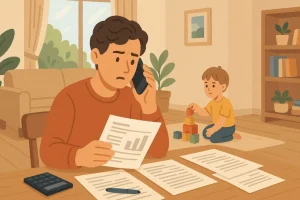
Ending child maintenance payments isn’t as simple as letting them lapse, there are essential steps to follow to ensure the process is legally sound and free of future disputes.
1. Confirm Your Child’s Eligibility Status
Before considering any changes to your payments, you must first verify whether your child still qualifies under the Child Maintenance Service (CMS) criteria. This involves confirming if they are in approved full-time education or unpaid government training. Gather supporting documents such as:
- Enrolment letters or school/college confirmation
- Course start and expected end dates
- Attendance records, if available
This evidence will be essential when notifying the CMS.
2. Notify the Child Maintenance Service (CMS)
Child maintenance payments don’t end automatically, you must formally inform the CMS. Submit all relevant documentation to support your claim, such as:
- Proof of your child leaving education or training
- Evidence of marriage or civil partnership (if applicable)
- Documentation showing financial independence (employment contracts, payslips)
Avoid delays, as late updates could result in unnecessary payments.
3. Finalise the Process and Confirm with CMS
Before stopping payments:
- Check for any outstanding arrears and arrange to settle them
- Communicate openly with the other parent to prevent misunderstandings
- Wait for official written confirmation from the CMS before ceasing payments
Stopping payments without CMS approval could result in enforcement action or legal complications.
Can Parents Agree to Stop or Continue Payments Privately?

In many cases, yes. While CMS calculations are legally binding, some parents prefer private or court-ordered agreements for flexibility.
Types of Agreements:
- Private Agreements: Made between both parents without CMS involvement. These are informal but can work with mutual trust.
- Court-Ordered Maintenance: Legally enforceable and often more detailed. Payments may extend beyond CMS thresholds (e.g., to support university education).
Parents can also renegotiate terms as children grow older or circumstances shift. Mediation services can help resolve disagreements and create tailored solutions without court intervention.
Conclusion
Determining when to stop paying child maintenance involves more than watching your child’s age. Educational status, personal circumstances, legal agreements, and even geography can all influence your obligations.
Key takeaways include:
- Payments generally end at 16 or 20, depending on education
- Always inform the CMS of changes in circumstances
- University and paid apprenticeships usually end CMS-based maintenance
- Private agreements or court orders may allow continued support
- Never stop payments without official confirmation
By staying informed and proactive, both parents can avoid unnecessary disputes and ensure their child continues to receive the appropriate support during their transition to adulthood.
Frequently Asked Questions
Do I need to pay child maintenance if my child works part-time?
Not necessarily. If your child is still in full-time, non-advanced education, part-time work does not exempt you from paying child maintenance.
Is child maintenance linked to Child Benefit eligibility?
Yes. If Child Benefit stops, child maintenance often follows. Keep HMRC updated on your child’s education status, as it directly influences your obligations.
What if my child is being home-educated after 16?
Home education can still qualify for maintenance if it is full-time and not considered advanced, especially if it started before the child turned 16.
Can a child apply for maintenance directly while at university?
Yes, in certain legal circumstances. A young adult can apply under the Children Act for support, but only if no CMS or court order exists.
What role does the CMS play after the child turns 18?
The CMS only continues if the child remains in approved education or training. After that, it no longer has jurisdiction.
Can child maintenance be stopped if the receiving parent remarries?
No. Maintenance is about the child’s needs, not the financial status of the receiving parent or their new partner.
Do international relocations affect child maintenance obligations?
Yes. If either parent or the child moves abroad, CMS jurisdiction may no longer apply. This could lead to complex international legal issues.