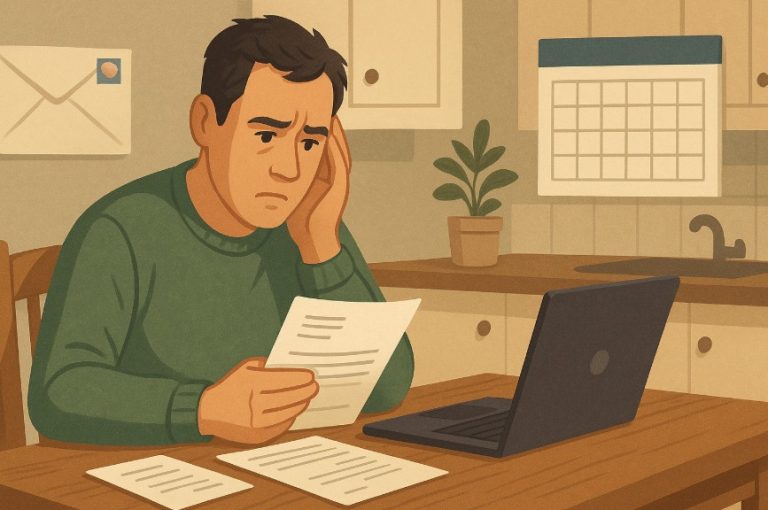

Universal Credit Deadline Extension 2026 Announced by DWP: Latest Updates for Claimants
The DWP has confirmed a Universal Credit deadline extension for some people receiving income-related ESA and working-age Housing Benefit.
Instead of the previous March 2026 cut-off, certain vulnerable claimants now have until the end of summer 2026 to move to Universal Credit.
However, the extension does not apply to everyone. In most cases, you still have three months from the date on your migration notice letter to make a claim. Missing that deadline could stop your current benefit payments.
Key points to know:
- The extension mainly affects income-related ESA and working-age Housing Benefit claimants
- Most claimants must still apply within three months
- You can ask the DWP for extra time if you have a valid reason
- Existing benefits could stop if you miss the deadline
- Support is available through Jobcentres, home visits and the Move to UC Helpline
What Is the Universal Credit Deadline Extension in 2026?

The Universal Credit deadline extension means that some vulnerable people who receive income-related Employment and Support Allowance (ESA) or working-age Housing Benefit have more time to move onto Universal Credit.
Previously, the final stage of the managed migration programme was expected to end in March 2026. The DWP has now delayed that final phase until the end of summer 2026.
This change is designed to protect people who may struggle to complete the process because of illness, disability, poor mental health, homelessness or a lack of internet access.
Even so, the overall move to Universal Credit continues. If you receive a migration notice letter, the date on that letter remains your most important deadline.
Deadline Type Previous Deadline New Deadline
Final closure of income-related ESA and working-age Housing Benefit March 2026 End of summer 2026
Individual claimant deadline after migration notice Around 3 months Still around 3 months
Sir Stephen Timms, Minister for Social Security and Disability, said:
“Vulnerable customers have been at the forefront of this campaign. In their interests, we are extending the deadline for income-related Employment Support Allowance claimants to move over.”
Why Has the DWP Extended the Universal Credit Migration Deadline?
The DWP says the Universal Credit deadline extension is necessary because some claimants need more time and support to move safely onto the new system.
Many people in the final migration group have found the process difficult. Some struggle to understand official letters, while others find it hard to complete online forms or gather the documents needed to apply.
The DWP identified several common problems:
- Serious physical or mental health conditions
- No fixed address or recent homelessness
- Limited digital skills or no internet access
- Reliance on carers, support workers or appointees
- Difficulty understanding paperwork
The government wants to avoid situations where vulnerable people lose their existing benefits simply because they could not respond in time.
The Public Accounts Committee previously warned that failures in the migration process could cause “real-world misery for thousands” if vulnerable claimants lost support. The extension is intended to reduce that risk.
Who Qualifies for the Universal Credit Deadline Extension?

The Universal Credit deadline extension only applies to a limited number of people.
The DWP has said the extra time is mainly for vulnerable claimants who may struggle to complete the move because of illness, disability, housing problems or difficulties using online systems.
Although the overall managed migration programme is continuing, certain people receiving income-related ESA or working-age Housing Benefit may now have until the end of summer 2026 to make their Universal Credit claim.
Which Income-Related ESA Claimants Will Get More Time?
You may qualify for the Universal Credit deadline extension if you receive income-related ESA and face serious barriers to making a claim.
The extension is most likely to apply if you:
- Have a long-term physical or mental health condition
- Need help from a family member, carer or appointee
- Have learning difficulties or struggle with paperwork
- Are you homeless or living in temporary accommodation
- Have no internet access or limited digital skills
The delay does not usually apply to people receiving new-style ESA, because that benefit is separate and is not being replaced by Universal Credit.
Are Working-Age Housing Benefit Claimants Included?
Some people receiving working-age Housing Benefit may also get more time. This mainly applies if you also receive ESA or have complex housing circumstances.
You may qualify if you live alone, struggle to manage paperwork, or need support from a local authority or charity.
However, many Housing Benefit claimants will still need to move as normal. Pension-age claimants and people in supported accommodation often continue receiving Housing Benefit separately.
Claimant Group Extension Likely? Notes
Income-related ESA Yes Main group affected
New-style ESA No Not being replaced
Working-age Housing Benefit Sometimes Depends on circumstances
Pension-age Housing Benefit No Usually continues separately
If you are unsure whether the Universal Credit deadline extension applies to you, check the deadline on your migration notice letter and contact the DWP before that date passes.
Who Must Still Claim Universal Credit Before Their Original Deadline?
Most claimants must still follow the deadline stated in their migration notice when moving to Universal Credit.
The summer 2026 extension does not apply automatically, so it is important not to delay your claim unless your local authority or the DWP confirms otherwise.
Benefit Status in 2026 Summer 2026 Extension Applies?
Child Tax Credit Ended in 2025 No
Working Tax Credit Ended in 2025 No
Income Support Ended March 2026 No
Income-based Jobseeker’s Allowance Ended March 2026 No
Income-related ESA Ends summer 2026 Yes, for some claimants
Working-age Housing Benefit Ends summer 2026 Yes, for some claimants
In summary, most people must still act within their original deadline, especially those whose benefits have already ended.
Only certain ESA and Housing Benefit claimants may benefit from the extension, depending on their situation.
What Happens If You Miss the Universal Credit Deadline?

Missing your Universal Credit deadline can have serious consequences, especially if you rely on benefits for daily living.
If you do not act in time, your existing payments may stop, and you will not be automatically transferred to Universal Credit.
Key impacts of missing the deadline:
- Your current benefits, such as ESA or Housing Benefit, could stop immediately
- You will need to make a new Universal Credit claim from scratch
- You may lose transitional protection, reducing your overall income
- A delay in claiming can create a gap in income
- This can affect your ability to pay rent, bills, and food costs
To avoid these issues, always request extra time before your deadline if needed. The government allows multiple extension requests, but they must be made in advance to protect your payments.
Can You Ask the DWP for More Time to Claim Universal Credit?
Yes. If you think you will not be able to claim before the deadline on your migration notice, you can ask the DWP for extra time.
The department has confirmed that there is no fixed limit on the number of extension requests you can make, provided you contact them before your original deadline passes.
This is particularly important if illness, housing problems or other personal circumstances are making it difficult for you to complete your Universal Credit claim.
How Do You Request an Extension?
The easiest way to ask for more time is to:
- Call the number shown on your migration notice
- Contact the Move to UC Helpline
- Explain why you are unable to apply before the deadline
- Ask whether extra support or a home visit is available
The DWP may then give you a new date or arrange support through your local Jobcentre.
Which Reasons Will the DWP Usually Accept?
The DWP is more likely to grant an extension if you are dealing with:
- Illness or a hospital stay
- A mental health condition
- Housing problems or homelessness
- Delays in obtaining ID or documents
- Difficulties using online systems
Pat McFadden, Secretary of State for Work and Pensions, recently said:
“We’re committed to reforming the welfare system we inherited, which for too long has written off millions as too sick to work.”
If you believe you may miss your Universal Credit deadline, it is always better to contact the DWP early rather than wait until your existing benefits stop.
Which Legacy Benefits Are Ending as Universal Credit Expands?

Universal Credit is replacing six older benefits. Most of those legacy benefits have already ended, but income-related ESA and working-age Housing Benefit remain the final stage of the transition.
Legacy Benefit Current Position Final End Date
Working Tax Credit Closed April 2025
Child Tax Credit Closed April 2025
Income Support Closed March 2026
Income-based JSA Closed March 2026
Income-related ESA Still ending Summer 2026
Working-age Housing Benefit Still ending Summer 2026
By December 2025, around 8.34 million people across the UK were claiming Universal Credit. More than 1.9 million of those had moved from older benefits through the managed migration programme.
The DWP says the remaining ESA and Housing Benefit claimants are often the people who need the most support.
What Support Is Available During and After the Move to Universal Credit?
The DWP has introduced several support measures to make the move easier. These services are particularly important if you struggle with technology, paperwork or communication.
How Does the Move to UC Helpline Work?
The Move to UC Helpline can explain your deadline, tell you which documents you need and help you decide whether you qualify for an extension.
You can also ask about:
- Transitional protection
- Home visits
- Jobcentre appointments
- Support from carers or appointees
Can You Get a Home Visit or Jobcentre Support?
If you cannot manage the process by phone, the DWP may arrange a home visit. A DWP adviser can help you complete forms and explain the next steps.
In addition, many Jobcentres now offer one-to-one support from work coaches and Pathways to Work advisers.
A claimant named Gillian recently described her experience:
“The migration to UC was straightforward, and I’ve been able to access help with skills and volunteering opportunities which I didn’t get on my old benefit.”
The DWP also plans to invest £3.5 billion in employment support by the end of the decade.
Are There Any Universal Credit Payment Changes From April 2026?

From April 2026, some new claimants who qualify for the health-related part of Universal Credit will receive a lower amount than current claimants.
The new health element will be £217.26 per month instead of the existing £429.80 rate.
Universal Credit Health Element Before April 2026 From April 2026
Monthly amount for some new claimants £429.80 £217.26
The government says this change is designed to reduce the gap between unemployment payments and long-term sickness support.
At the same time, the DWP is introducing wider reforms to PIP reviews. Most new PIP claimants aged 25 and over will receive awards lasting at least three years, increasing to five years at their next review.
Sir Stephen Timms said:
“Our Move to Universal Credit campaign has been successful in moving over 1.9 million people from legacy benefits to the modern Universal Credit system.”
What Should You Do Now If You Receive a Migration Notice?
If you receive a migration notice, act as soon as possible. Read the letter carefully and check the deadline shown. Most people still have around three months to make a claim.
You should gather the documents you may need, including proof of identity, bank details, rent information and details of any savings or income.
If you think you may struggle, contact the DWP early. The sooner you ask for help, the easier it is to avoid a gap in your payments.
Do not assume the Universal Credit deadline extension applies to you automatically. If you need more time, request it before the date in your letter passes.
Conclusion
The Universal Credit deadline extension gives some vulnerable ESA and Housing Benefit claimants until the end of summer 2026 to move across safely.
However, most people still need to apply within three months of receiving their migration notice. Do not assume the extension applies automatically.
Read every DWP letter carefully, keep your details up to date and ask for extra time if you need it. Acting early is the best way to protect your payments and avoid any gap in support.
FAQs About
What is the new final Universal Credit deadline in 2026?
The DWP says the final migration stage for income-related ESA and working-age Housing Benefit will now continue until the end of summer 2026.
Does the Universal Credit deadline extension apply to everyone?
No. The extension mainly applies to vulnerable claimants receiving income-related ESA or working-age Housing Benefit.
Can I still get Housing Benefit after moving to Universal Credit?
Yes, in some cases. People living in supported or temporary accommodation may continue receiving Housing Benefit separately.
What happens if I never receive my migration notice letter?
You should contact the DWP or the Move to UC Helpline immediately, especially if you have recently changed address.
Can someone else help me make my Universal Credit claim?
Yes. A family member, carer, friend or appointee can help you complete the claim process.
Will I lose money when I move to Universal Credit?
Not necessarily. You may receive transitional protection if your new Universal Credit payment would otherwise be lower.
What should I do if the DWP refuses my extension request?
You should still try to claim before the original deadline if possible and seek help from Citizens Advice or a welfare adviser.