What Benefits Can I Claim at 17 in the UK?
At 17, you’re in a transitional stage, almost an adult, yet still legally a minor. This can bring challenges, especially around education, work, housing, or personal responsibilities.
Some 17-year-olds may lack financial or emotional support, particularly if living independently, caring for someone, or managing health issues.
In the UK, most benefits are for adults over 18, but certain circumstances allow 17-year-olds to access support. Eligibility often depends on factors such as disability, pregnancy, caring duties, or estrangement from parents.
This guide explains the benefits available at 17, including Universal Credit, Personal Independence Payment, and support for young carers or parents, helping you understand your rights and how to claim.
What Are Your Rights to Claim Benefits at 17 in the UK?
In most cases, people under 18 aren’t entitled to full access to the benefits system. However, exceptions exist for young people facing specific life circumstances.
UK legislation recognises that some 16- and 17-year-olds are unable to rely on parental or guardian support. In such cases, government support may be available to help cover basic living costs, housing, and essential needs.
Your right to claim benefits depends heavily on your personal situation. If you’re living away from home, supporting a child, managing a health condition, or caring for someone else, the benefits system has provisions to offer you help.
You’ll usually need to prove your eligibility through documentation, assessments, or letters from professionals such as doctors, social workers, or education providers.
Can You Claim Any Government Financial Support at 17?
Government financial support is available to 17-year-olds, but only under clearly defined circumstances. The benefits system isn’t designed to cover all young people under 18, but it does make room for those facing hardship or exceptional challenges.
If you cannot live with your parents, are a parent yourself, or have a long-term health condition, you may be eligible for certain types of support.
Support at this age typically comes in the form of Universal Credit, Personal Independence Payment (PIP), and, in limited cases, Income Support or Jobseeker’s Allowance. Eligibility depends not just on your age, but on your life situation, whether you’re in education or work, and your ability to support yourself.
If you’re unsure whether you qualify, it’s advisable to seek advice from Universal Credit News, who can help assess your case in more detail.
What Are the Main Conditions That Allow Benefit Claims at 17?
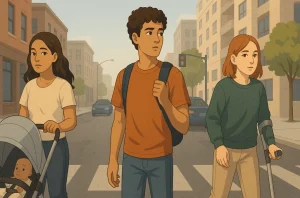
To qualify for benefits at 17 in the UK, you must meet at least one of several specific conditions. If you fall into one of the following categories, you may be eligible for support:
- You have a disability or health condition that limits your ability to work
- You’re pregnant or have a child
- You’re a carer for someone with a disability
- You’re living independently, estranged from your parents or in supported housing
- You’re in full-time education or training and lack parental support
- You’re a care leaver, no longer under the care of your local authority
Each of these categories has its own specific requirements and application processes, which we will explore in more detail below.
What Benefits Can I Claim at 17 in the UK?
Universal Credit is the primary benefit that some 17-year-olds can access, but it’s not the only one. Depending on your situation, you may also qualify for other types of support.
| Benefit Name | Eligibility at 17 | Key Conditions |
| Universal Credit | Yes, in special cases | Must meet strict conditions (see below) |
| PIP | Yes | Must have a long-term physical or mental health condition |
| Income Support | Limited | Mainly for lone parents or carers |
| Jobseeker’s Allowance (JSA) | Limited | Short-term support if unable to live at home |
| Healthy Start Scheme | Yes | If pregnant or have a baby and under 18 |
| Housing Benefit | Limited | Only in supported accommodation scenarios |
The specifics of each benefit, including how to apply, what documentation you’ll need, and what the application process looks like, vary, and you’re often encouraged to seek advice from services.
Can a 17-Year-Old Claim Universal Credit in the UK?
While the general age for Universal Credit eligibility is 18, some 17-year-olds may be able to apply under specific exceptions. You’ll need to show that you meet the Department for Work and Pensions (DWP) conditions for early access, which are quite strict.
Eligibility for Universal Credit at 17 usually requires that you are not supported by your parents, are living independently, and face financial hardship.
You might also qualify if you’re caring for someone with a disability, have a child of your own, or have a recognised health condition that prevents you from working.
What If You’re in Education or a Training Programme?
Being in full-time education usually excludes you from claiming Universal Credit. However, there are exceptions for 17-year-olds:
- You may still claim if you’re in full-time education or training and don’t live with a parent or guardian
- You must not be under the care of the local authority
- You’ll need to provide evidence of your circumstances during the application
In these cases, you are usually not required to look for work, unlike most Universal Credit claimants.
Are You Eligible for Personal Independence Payment (PIP) at 17?
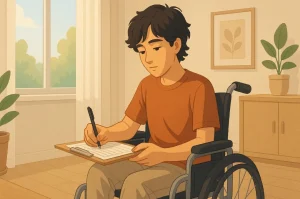
Personal Independence Payment (PIP) provides financial support to individuals over the age of 16 who live with long-term physical or mental health challenges. Unlike Universal Credit, PIP is not affected by your income or whether you’re in education.
The benefit is made up of two components: one for daily living and another for mobility. You may qualify for either or both, depending on how your condition affects you.
| PIP Component | Purpose | Potential Weekly Rate (2025/26) |
| Daily Living | Support with everyday tasks like cooking or washing | Up to £108.55 |
| Mobility | Assistance with getting around | Up to £75.75 |
If you were receiving Disability Living Allowance (DLA) before turning 16, you’ll likely have been contacted to switch to PIP. If you haven’t yet applied, you can do so directly through the DWP. Be prepared to undergo an assessment and provide medical evidence to support your application.
What Help Is Available If You’re Pregnant or Have a Child at 17?
Being pregnant or a young parent at 17 brings added responsibilities, and thankfully, some tailored support is available to help you cope. These may include Universal Credit, particularly if you are not living with your parents and have no financial support.
In addition, you may qualify for:
- Healthy Start Vouchers (England, Wales, NI)
- Best Start Foods (Scotland)
- Help with childcare costs through Universal Credit
- Access to Sure Start Maternity Grants (one-off payments)
Some young parents may also qualify for a Sure Start Maternity Grant, a one-off payment to help with the costs of a new baby. Accessing these schemes usually requires proof of pregnancy or birth and an assessment of your living circumstances.
Can You Get Housing or Living Cost Support at 17?

Yes, if you’re living independently and cannot stay with your family, you may qualify for help with housing and living costs. This is especially relevant if you’re estranged from your parents, homeless, or living in supported accommodation.
While Housing Benefit is being phased out in favour of Universal Credit, some 17-year-olds can still receive it if they’re in supported or temporary housing. Otherwise, Universal Credit may include a housing element to help cover your rent, especially if you’re in a vulnerable position.
If you’re a care leaver or at risk of harm by living at home, local councils also have duties to assist you. This may include arranging housing, providing financial support, or referring you to services that help with benefit applications.
How Does Parental Support Affect Your Ability to Claim Benefits?
Parental support plays a key role in determining whether a 17-year-old can claim benefits. If your parents or guardians are still receiving Child Benefit or providing financial support, the government may consider you dependent, which can limit your eligibility.
When You Might Be Considered Independent?
- Living Away from Home: You are usually treated as independent if you live separately from your parents and manage your own household expenses.
- Education Status: Being out of full-time non-advanced education can qualify you for independence in benefit claims.
- Parental Estrangement: If your parents are unwilling or unable to support you due to estrangement, domestic conflict, or health issues, you may be considered financially independent.
- Special Circumstances: Serious family issues affecting your financial support can also impact your eligibility.
Before applying, it’s advisable to consult a welfare adviser to understand how your status affects both your benefits and your family’s finances.
Conclusion
Claiming benefits at 17 in the UK is possible, but only under carefully defined circumstances. If you’re living with a disability, pregnant, a carer, or estranged from your family, you may be entitled to government support.
Understanding your rights, gathering the correct evidence, and getting professional advice are essential steps in making a successful claim.
Professional services can help you calculate what you may be eligible for and assist in the application process. The benefits system is complex, but if you qualify, it can provide a vital safety net during a critical stage of your life.
Frequently Asked Questions
What should I do if I’m 17 and suddenly become homeless?
You should contact your local authority immediately. They can offer emergency housing and support services, as well as guidance on claiming benefits like Universal Credit.
Can I still get benefits if I’m working part-time at 17?
Some benefits, such as PIP, are not affected by work. Universal Credit may still be available depending on how much you earn and your personal situation.
How do I start a Universal Credit application if I don’t live with my parents?
You can apply online through the GOV.UK website. Be ready to provide evidence that you’re not supported by your parents, such as letters from professionals or housing providers.
Will claiming benefits at 17 affect my parents’ benefits?
Yes. If you begin claiming benefits in your own name, your parents could lose Child Benefit and Child Tax Credits. It’s important to discuss this with a benefits adviser.
Is there any financial help for 17-year-olds in full-time apprenticeships?
You may qualify for Universal Credit if you earn a low wage and meet one of the specific criteria such as living independently or caring for a child.
Can I receive benefits and stay in education after 17?
In some cases, yes, especially if you’re estranged from your parents and not in local authority care. Universal Credit may be available under these circumstances.
What support is available for 17-year-olds with mental health issues?
You may be able to claim PIP if your condition affects your daily living or mobility. You could also qualify for Universal Credit with limited capability for work status.
Read Next: