
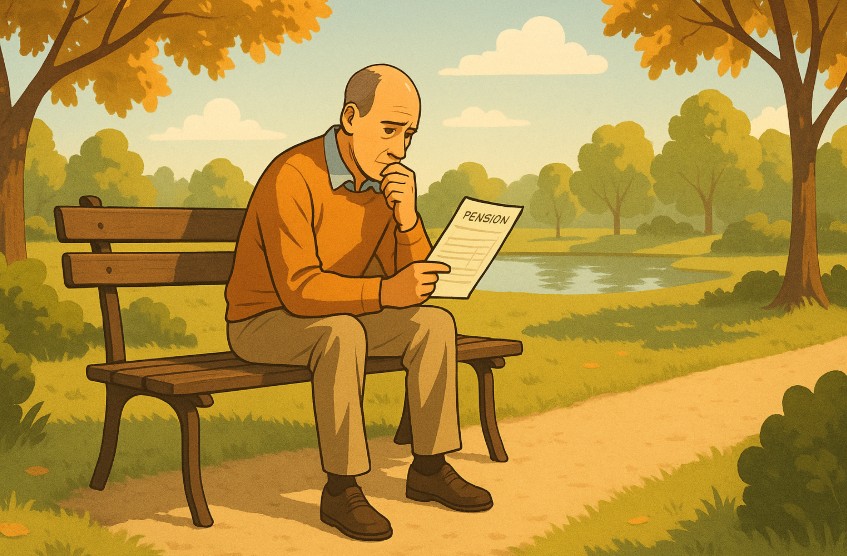
Can You Take Money Out of Your Pension at Any Time in UK?
Accessing your pension can be a crucial financial decision, especially if you’re planning for retirement or facing unexpected costs. But can you really take money out of your pension at any time in the UK?
The answer is not as straightforward as it may seem. There are specific rules, age restrictions, and tax implications that you need to understand before making a move.
This article explains everything you need to know, based on official UK government guidelines and leading pension providers.
What Are the Basic Pension Withdrawal Rules in the UK?

Pension withdrawals in the UK are governed by specific legislation designed to protect your long-term income. The ability to take money from your pension depends on whether you have a defined contribution pension or a defined benefit pension.
In most cases, you can begin taking money from your pension when you reach the normal minimum pension age (NMPA), which is currently 55. However, from April 2028, this will increase to 57, affecting millions of savers across the country.
You’re entitled to take 25% of your pension pot tax-free, but the remaining 75% is considered taxable income and will be subject to income tax based on your total annual income.
It’s worth noting that if you have multiple pension pots, you may have different access options and tax implications for each.
When Can You Start Taking Money from Your Pension?
You can usually begin withdrawing from your pension once you reach the Normal Minimum Pension Age (NMPA), currently set at 55, but changing to 57 in April 2028.
This age applies to most defined contribution and personal pensions, though defined benefit schemes may have their own specific arrangements.
There are, however, certain exceptions. You might be able to access your pension earlier if you:
- Have a protected retirement age from a previous scheme
- Are suffering from serious ill health
- Have a pension scheme that allows earlier access under specific terms
It’s essential to contact your pension provider to check the conditions that apply to your particular plan. Attempting to withdraw your pension before you’re eligible can lead to unauthorised payment charges of up to 55% of the amount you take out.
How Can You Access Your Pension Funds?

When you’re ready to start withdrawing, you’ll have several options for accessing your pension savings. The UK pension system offers flexible methods designed to suit different retirement strategies and income needs.
One of the most popular choices is to take a 25% lump sum from your pension pot tax-free. After that, the remaining 75% of your fund can either be left invested or used to generate income, but it will be taxed as part of your annual income.
You may choose to use your pension in one or more of the following ways:
- Drawdown: Leave your money invested and take income as needed.
- Annuity: Purchase a guaranteed income for life or a fixed term.
- Full withdrawal: Take the entire pension as a lump sum, though this could trigger high tax charges.
- Small pot withdrawal: Take up to three smaller pensions (under £10,000 each) as lump sums.
The method you choose can have a big impact on your tax liability and long-term financial stability, so be sure to weigh your options carefully.
Can You Withdraw Pension Money Before Age 55 (57 from 2028)?
Generally, early access to your pension is not permitted unless you meet certain qualifying conditions. Withdrawing before the minimum pension age is considered an unauthorised payment, and it can lead to severe tax penalties, including a 55% tax charge on the amount taken.
That said, there are a few exceptions that allow early access:
- You’re diagnosed with a terminal or serious illness
- Your pension scheme has a protected lower retirement age
- You’re a member of a specialist occupation pension with earlier access terms (e.g., athletes or certain public sector roles)
Be especially cautious of companies advertising early pension access or “pension liberation schemes.” These are often pension scams designed to defraud you, and taking part in them could mean losing a large portion of your pension to tax penalties and fees.
What Happens If You Access Your Pension Early Due to Ill Health?

In the UK, the government allows early pension access for individuals who are unable to work due to serious ill health. If your life expectancy is under 12 months, you may even be able to take the entire pension fund as a tax-free lump sum, provided you are under age 75.
For other cases of long-term illness or disability, you can still access your pension early, but the usual tax rules apply.
You’ll need:
- Medical documentation from a GP or specialist
- A declaration from your pension provider confirming eligibility
Each pension provider has different processes and documentation requirements, so it’s best to contact them directly to start the application.
How Much Can You Take Out of Your Pension?
You’re typically allowed to take 25% of your pension pot tax-free, either all at once or in smaller amounts over time. The remaining 75% is considered taxable income and can be taken through drawdown, annuity, or lump sum payments.
Here’s a simple breakdown of your options:
| Withdrawal Option | Tax-Free? | Taxable? | Access Age |
| 25% Lump Sum | Yes | No | 55 (57 from 2028) |
| Annuity | No | Yes | 55 (57 from 2028) |
| Flexi-access Drawdown | First 25% | Yes | 55 (57 from 2028) |
| Full Pension Withdrawal | First 25% | Yes | 55 (57 from 2028) |
| Serious Ill Health Payment | Up to 100% | Sometimes (if over 75) | Any Age |
It’s important not to withdraw more than you need, as doing so can reduce your retirement income and impact your tax liabilities.
Are There Any Tax Implications When You Take Pension Money?
Yes, and they’re often overlooked. While you can take 25% of your pension pot tax-free, any amount beyond that is treated as taxable income. This could push you into a higher income tax band, especially if you take large sums in a single tax year.
Some people are also surprised to find that their provider uses an emergency tax code, especially on first withdrawals. This may result in more tax being deducted than necessary.
You can usually claim this back from HMRC by filling in the appropriate form, such as P55, P53Z, or P50Z, depending on your situation. Always check how withdrawals will affect your income tax before making a decision.
What Are the Risks of Taking Pension Money Early?

Withdrawing your pension funds early can have long-term consequences, especially if not planned properly.
Some key risks include:
- Running out of money in retirement, especially if you live longer than expected
- Losing potential investment growth
- Reduced entitlement to state benefits
- Unexpected tax liabilities
Every withdrawal reduces the size of your future income, so careful planning and regular reviews are essential to avoid financial strain later in life.
How Does Flexible Pension Access Work?
The 2015 Pension Freedoms introduced by the UK government have given people more control over how they use their defined contribution pensions. Rather than being forced into buying an annuity, you can now keep your money invested and draw from it as needed.
This approach allows for:
- Better tax planning through phased withdrawals
- The option to pass unused pension wealth to loved ones
- Tailored income strategies based on your lifestyle and needs
While this flexibility is beneficial, it also requires more active management and understanding of your fund’s performance, fees, and future projections.
What Should You Consider Before Withdrawing From Your Pension?

Before making any withdrawals, take a step back and consider your full financial picture. Do you genuinely need the money now, or could it be better left to grow within your pension?
Key factors to weigh include:
- Your projected living costs in retirement
- The impact on tax and benefits
- The value of seeking professional advice
- Your other income sources, such as state pension or savings
Using tools like MoneyHelper’s pension calculator can help you model different scenarios and make an informed decision.
Conclusion
While UK pension rules offer considerable flexibility, they do not allow unrestricted access at any time. Age limits, health exceptions, tax rules, and planning considerations all come into play.
Rushing to withdraw funds can lead to unnecessary penalties, tax charges, or long-term financial insecurity.
Make your decisions based on informed advice, reliable planning tools, and a clear understanding of your retirement goals. In short, you can’t always take money from your pension at any time, but you can take it at the right time.
FAQs About Pension Withdrawals in the UK
What happens if I take more than 25% from my pension?
The excess is treated as taxable income and may push you into a higher tax bracket for that year.
Can I still contribute to my pension after accessing it?
Yes, but your annual allowance may reduce to £10,000 under the Money Purchase Annual Allowance (MPAA) rules.
Will withdrawing from my pension affect my benefits?
It could reduce your entitlement to means-tested benefits, depending on how the withdrawal affects your income.
How long does it take to receive pension funds after a request?
Typically between 5 to 15 working days, but this varies depending on your provider and payment method.
Can I change my mind after taking a pension lump sum?
Once funds are withdrawn, you cannot return them; however, you can adjust future withdrawal strategies.
Is there a fee for accessing my pension early?
Some providers may charge administrative or management fees, especially for drawdown services.
Do I need a financial adviser to access my pension?
Not legally, but it’s highly recommended for ensuring tax efficiency and long-term financial security.
Read Next: