DWP Explains How Deaths Affect Pension and Benefit Payments
When someone dies, their Department for Work and Pensions (DWP) benefits usually stop, while State Pension payments generally end at the close of the week in which the death occurred.
The Government has clarified that families should notify authorities as soon as possible to avoid overpayments and ensure any eligible support for surviving relatives can be assessed promptly.
Key points:
- State Pension and most DWP benefits stop after death.
- The Tell Us Once service can notify multiple government departments.
- Overpayments received after death may need to be repaid.
- Surviving spouses or civil partners may qualify for inherited pension rights.
- Bereavement Support Payment may be available to eligible partners.
- Private pensions must be reported separately to pension providers.
Understanding these rules can help families manage administrative responsibilities during a difficult period and avoid unnecessary complications.
What Happens to DWP Pension and Benefit Payments When Someone Dies?
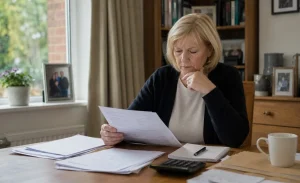
The DWP explains that benefit payments linked to a deceased claimant do not continue indefinitely. Once a death is formally registered and reported, the department begins the process of ending relevant entitlements and updating records.
Most benefits stop from the date entitlement ends, while State Pension payments normally cease at the end of the week in which the person died. If payments continue after that point, they may be treated as overpayments and could be recovered by the Government.
“The priority is ensuring that benefit records are updated promptly so that payments remain accurate and public funds are protected,” a DWP spokesperson stated.
The timing can vary depending on when the death is reported and how quickly information reaches the relevant departments. This is one reason the Government encourages the use of the Tell Us Once service.
Payment overview:
| Payment Type | What Typically Happens After Death |
|---|---|
| State Pension | Usually stops at the end of the week of death |
| Universal Credit | Claim is closed following notification |
| Child Benefit | Reviewed and may stop or transfer to another claimant |
| Housing Benefit | Local authority reassesses entitlement |
| Council Tax Reduction | Local authority updates records |
These processes help ensure that benefit systems reflect the claimant’s circumstances accurately.
When Does the DWP Stop State Pension After A Death?
State Pension payments generally stop at the end of the week in which the pensioner dies. However, the exact timing depends on payment schedules and when the death is officially reported.
In some situations, a payment may arrive after death because the information had not yet reached the DWP. Receiving a payment does not automatically mean it was due, and relatives should avoid spending funds until the department confirms entitlement.
The Government may contact the executor, administrator, or next of kin if adjustments are required. Any overpaid amounts are normally reviewed and recovered through the estate where appropriate.
For many families, understanding State Pension rules is particularly important because surviving spouses or civil partners may also have rights linked to the deceased person’s National Insurance record.
How Are Universal Credit and Other Benefit Payments Affected After Death?

The DWP applies different procedures depending on the benefit involved, although the overall principle remains the same: entitlement ends when the claimant dies.
Universal Credit claim closure after a claimant dies
Universal Credit claims are closed after the department receives notification of death. If the deceased was part of a joint claim, the surviving partner may need to update their circumstances and could continue receiving support based on their own eligibility.
Child Benefit, Housing Benefit and Council Tax Reduction changes
Several benefits may need reassessment following a death because household circumstances have changed.
Key areas commonly reviewed include:
- Child Benefit claims.
- Housing Benefit entitlement.
- Council Tax Reduction support.
- Scottish Government benefits where applicable.
- Other income-related support payments.
A surviving family member may become entitled to different levels of assistance if household income falls after the death. The DWP and local authorities typically review these cases individually to ensure support reflects the family’s new circumstances.
How Does the Tell Us Once Service Notify the DWP And Other Departments?
The Tell Us Once service is designed to reduce the administrative burden on bereaved families by allowing a single notification to be shared across multiple public bodies.
DWP minister Andrew Western described the service as an important way of helping people during a difficult time.
“The service allows recently bereaved citizens to inform participating Government departments of a registered death through a single process, helping provide fairness, respect and dignity,” Andrew Western told Parliament.
Once a death is reported through Tell Us Once, participating organisations are generally notified by the next working day.
Departments and organisations notified:
| Organisation | Purpose |
|---|---|
| DWP | Stops benefits and State Pension |
| HMRC | Updates tax records and Child Benefit |
| Passport Office | Cancels British passport |
| DVLA | Cancels driving licence and vehicle records |
| Local Council | Updates Housing Benefit and Council Tax records |
| Veterans UK | Updates Armed Forces payments |
| Social Security Scotland | Stops devolved benefits |
The service is voluntary, but it is widely used because it simplifies communication with multiple government departments simultaneously.
Families who prefer not to use Tell Us Once can still contact the DWP Bereavement Service directly.
Who Can Use Tell Us Once After Registering a Death?
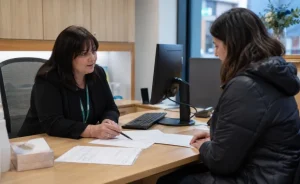
The Tell Us Once service is available throughout England, Scotland and Wales. It can also be used when a person dies temporarily abroad, such as during a holiday or business trip, provided they normally lived in one of these countries.
England, Scotland and Wales Aligibility
Residents of England, Scotland and Wales are generally eligible for the service once the death has been registered with the relevant authority.
Northern Ireland and Overseas Death Rules
The service cannot normally be used if the deceased lived in Northern Ireland at the time of death. In such cases, families are directed to contact NI Direct.
People who had been living permanently overseas are also excluded from the scheme and may need to follow separate registration procedures.
What the Registrar Provides After Death Registration?
After registration, the registrar may:
- Complete the Tell Us Once process directly.
- Provide a unique reference number.
- Explain how to use the online service.
- Explain how to complete the process by telephone.
This flexibility allows families to choose the method that best suits their circumstances. The process helps ensure departments receive accurate information quickly.
What Should Families Do If a Benefit or Pension Payment Arrives After Death?
Families are often concerned when a benefit or pension payment arrives in a deceased person’s account after death. In many cases, this happens because payment systems were processed before all departments received notification.
If this occurs, relatives should avoid assuming the money can be spent or transferred. Instead, it is important to keep clear records and wait for guidance from the relevant authority.
Recommended steps include:
- Do not spend the payment: Leave the money untouched until you receive official guidance
- Keep payment records: Record payment dates, amounts, and account activity
- Check bank statements: Monitor for any additional payments received after death
- Save all correspondence: Retain letters, emails, and notification confirmations
- Contact the relevant department: Seek clarification if you are unsure about entitlement or next steps
Where an overpayment exists, the department may contact the executor or estate representative regarding repayment arrangements. Acting promptly and keeping documentation can help prevent complications later.
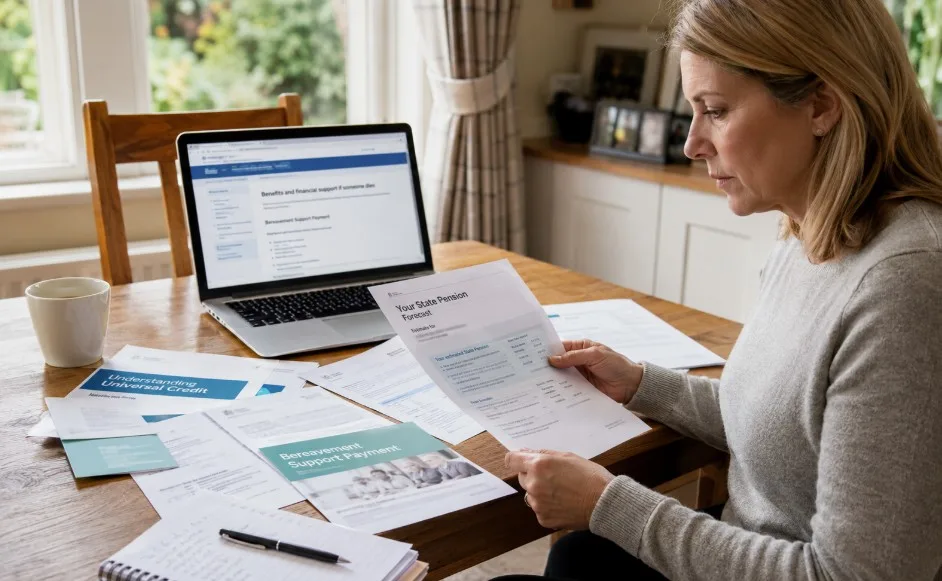
Can A Surviving Partner Inherit State Pension or Claim Bereavement Support?

The death of a spouse or civil partner does not necessarily mean all pension-related support ends. Depending on individual circumstances, some surviving partners may inherit part of the deceased person’s State Pension entitlement.
Eligibility can depend on factors such as:
- National Insurance contribution history.
- Marital or civil partnership status.
- The pension system under which the deceased qualified.
- The age at which pension entitlement began.
In addition, Bereavement Support Payment may be available to eligible spouses or civil partners who meet the qualifying conditions.
Support options for surviving partners:
| Support Type | Potential Assistance |
|---|---|
| Inherited State Pension | Possible transfer of certain pension rights |
| Bereavement Support Payment | Lump sum and monthly payments |
| Funeral Expenses Payment | Assistance with funeral costs for eligible households |
| Income-related benefits | Reassessment of support based on reduced income |
“Bereavement support exists to provide financial stability during a period when household circumstances can change significantly,” a government welfare adviser explained.
Surviving partners should review their eligibility as soon as possible because some claims have specific time limits.
What Practical Steps Should Relatives Take to Avoid DWP Overpayments?
Reporting a death promptly is one of the most effective ways to reduce the risk of benefit overpayments and future repayment issues. Acting early can help families avoid complications during estate administration and ensure government records are updated correctly.
Relatives should take the following practical steps:
- Register the death as soon as possible
- Notify the relevant government departments promptly
- Keep copies of all correspondence and notification records
- Check bank statements regularly for payments received after entitlement ended
- Review whether any benefits or pensions continued after the date of death
- Contact the DWP Bereavement Service if there is uncertainty about claim status or payments
Where questions arise, speaking with the DWP Bereavement Service can help clarify ongoing claims, payment status, and any actions relatives may need to take.
Taking these steps early can make estate administration simpler, reduce delays, and minimise the likelihood of unexpected repayment requests later.
Why Is It Important to Report A Death Quickly to the DWP?
Prompt reporting helps ensure benefits and pensions are updated correctly, reducing the risk of overpayments, administrative delays, and confusion for surviving family members.
The Tell Us Once service has become a key part of this process because it allows multiple departments to receive information quickly. According to Government guidance, participating organisations are generally informed by the next working day.
Beyond stopping payments, early notification can help families access support they may be entitled to, including bereavement-related benefits and reassessed income-based assistance.
While dealing with paperwork is understandably difficult during bereavement, timely action can simplify financial matters and ensure all relevant entitlements are handled appropriately.
Conclusion
The DWP explains that pension and benefit payments usually stop once a claimant dies, making timely notification essential.
Services such as Tell Us Once help families inform multiple government departments quickly, reducing administrative stress during bereavement.
While some payments end, surviving spouses or civil partners may still qualify for inherited State Pension rights or bereavement-related support. Understanding the rules can help families manage financial matters accurately and avoid unnecessary complications.
Frequently Asked Questions
Does Tell Us Once automatically cancel private pensions?
No. Private pensions are not covered by the Tell Us Once service. Families must contact the pension provider directly to report the death and discuss any available death benefits.
Can DWP recover money paid after someone has died?
Yes. If a payment was made after entitlement ended, the DWP may seek recovery through the deceased person’s estate.
How long does it take for departments to be notified through Tell Us Once?
Participating organisations are normally informed by the next working day after the death is reported through the service.
What number should relatives call for the DWP Bereavement Service?
The DWP Bereavement Service can be contacted on 0800 151 2012.
Can a partner claim help with funeral costs?
Some individuals on low incomes may qualify for a Funeral Expenses Payment to help with funeral-related costs.
Will benefits be recalculated after the death of a partner?
Yes. Income-related benefits may be reassessed because household circumstances and income levels have changed.
What happens if the person died while temporarily abroad?
If the deceased normally lived in England, Scotland, or Wales, Tell Us Once may still be available even if the death occurred during temporary travel overseas.