
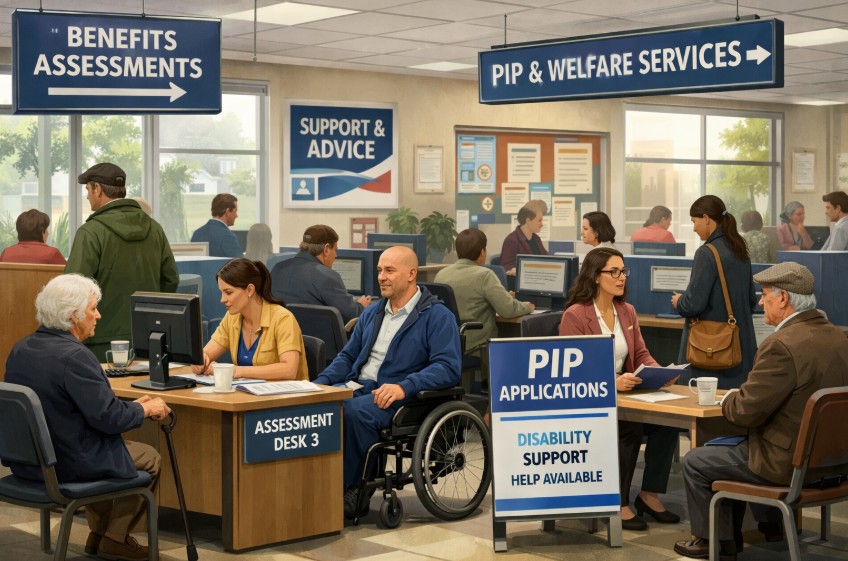
DWP to Increase Face-to-Face PIP Assessments – What This Means for Claimants?
Facing major reforms, the Department for Work and Pensions (DWP) is set to significantly increase face-to-face PIP assessments from April 2026, moving from 6% to 30% of all cases. This change aims to improve the accuracy of evaluations and reduce over-reliance on virtual assessments.
In this blog, we explore what this means for claimants, how reassessment periods are changing, and the wider impact on the UK welfare system, including employment support through the Connect to Work programme.
What Are the DWP’s New Plans for PIP and WCA Assessments?

In a major shift affecting hundreds of thousands of benefit recipients across the UK, the Department for Work and Pensions (DWP) has confirmed that face-to-face assessments for Personal Independence Payment (PIP) and Work Capability Assessments (WCA) will significantly increase by April 2026.
These assessments, which previously saw a sharp decline due to the pandemic, are being reintroduced at a much higher scale as part of a wider welfare reform.
Currently, only 6% of PIP assessments are conducted in person. However, this figure is set to leap to 30%, an increase from 57,000 assessments in 2024 to an estimated 285,000 annually by 2026. Similarly, face-to-face WCAs will grow from 13% (approximately 74,000) to 30%.
| Assessment Type | 2024 Face-to-Face % | Estimated 2026 Face-to-Face % | Approximate Increase |
|---|---|---|---|
| Personal Independence Payment (PIP) | 6% | 30% | +228,000 assessments |
| Work Capability Assessment (WCA) | 13% | 30% | +96,000 assessments |
The shift marks a significant move away from remote assessments, which became the norm during the COVID-19 pandemic.
This change is aligned with the government’s broader agenda to increase accountability and ensure a more accurate evaluation of claimants’ health and disability conditions.
Why Is the Government Shifting Back to In-Person Assessments?
The rise in face-to-face assessments reflects concerns that remote evaluations do not always capture the full extent of a claimant’s needs. Since 2020, most assessments have been conducted virtually, which, while efficient, critics say can limit detailed observation and scrutiny.
The current government has moved away from earlier policies that allowed up to 80% of assessments to take place remotely. The aim is to rebuild trust and ensure decisions are based on more complete evidence.
Key reasons behind the shift include:
- Improving accuracy and transparency in assessments
- Gaining a more holistic view of claimants’ conditions
- Reducing the risk of incorrect awards
Overall, the policy supports the DWP’s goal of creating a fairer, more credible welfare system.
How Will These Changes Affect PIP and Universal Credit Claimants?

For many claimants, this will be a significant adjustment. Instead of attending telephone or video interviews, more individuals will be required to physically attend an assessment centre.
This has several implications:
- Increased Travel Needs: Claimants may need to travel long distances, which could be challenging for individuals with mobility issues or mental health conditions.
- Longer Preparation Times: In-person assessments typically involve more comprehensive questioning and may require medical evidence to be presented on the spot.
- Greater Stress for Vulnerable Groups: Face-to-face interactions can be overwhelming, particularly for those with anxiety, PTSD, or sensory sensitivities.
Although challenging for some, these changes are intended to provide clearer insight into a claimant’s daily challenges, thereby improving the overall accuracy of the benefit decision process.
What Is the Timeline and Rollout Strategy for the New Assessment Process?
To ensure a smooth transition and minimise disruption for claimants, the DWP has outlined a phased timeline for introducing the expanded use of face-to-face assessments.
April 2026 – The Formal Launch
The DWP has set April 2026 as the official implementation date for the increase in face-to-face assessments. While some preliminary adjustments may occur before this time, the primary transition is scheduled to begin then.
Phase-Wise Implementation
Although the government has not released a formal step-by-step rollout plan, the following expectations are reasonable:
- 2024–2025: Continued use of primarily virtual assessments while operational infrastructure is upgraded.
- Early 2026: Potential pilot programmes or gradual increases in in-person capacity.
- April 2026 onward: Full shift to the new model, with 30% of all PIP and WCA assessments conducted face-to-face.
This phased rollout aims to give health professionals, assessment centres, and claimants adequate time to adapt.
How Are Reassessment Periods Changing Under the New Rules?

Another key component of this reform relates to the frequency of PIP reassessments. Currently, some claimants face review intervals as short as nine months.
This has caused stress and administrative backlogs, with many claimants experiencing repeated assessments despite no significant change in their health conditions.
To address this:
| Claimant Group | Previous Review Period | New Review Period (from 2026) |
|---|---|---|
| PIP Claimants (Age 25 and over, new claims) | 9–18 months | Minimum 3 years |
| PIP Claimants (Retaining eligibility) | 3 years | Up to 5 years |
These extensions will offer stability to long-term claimants and reduce the burden on health professionals, freeing them to focus more on initial assessments and Work Capability reassessments.
What Is the Timms Review and How Is It Different from These Operational Changes?
While the April 2026 updates are operational changes, there is a separate and ongoing initiative known as the Timms Review, which is also focused on the future of disability assessments.
The Timms Review is not part of the April 2026 changes but is expected to have long-term implications on how PIP functions. It is evaluating whether the current assessment model effectively supports individuals with disabilities to live independently, maintain health, and access employment opportunities.
This distinction is important: the 2026 reforms affect how assessments are conducted, whereas the Timms Review is investigating why and what is assessed, and whether the overall framework still serves its intended purpose.
How Much Will These Welfare Changes Save the UK Government?
The financial rationale behind these reforms is clear. The DWP estimates that the shift to more face-to-face assessments, extended reassessment timelines, and associated operational reforms will result in £1.9 billion in taxpayer savings by the end of the 2030/31 financial year.
| Source of Savings | Estimated Contribution |
|---|---|
| Reduced reassessment frequency | £800 million |
| More accurate assessments (fewer errors/appeals) | £600 million |
| Streamlined WCA processes | £500 million |
| Total Projected Savings | £1.9 billion |
These savings are expected to be reinvested in employment and disability support programmes that prioritise long-term health and work outcomes.
What Support Will Be Provided Through the ‘Connect to Work’ Programme?

To accompany the changes, the government is launching the Connect to Work initiative. This programme is designed to support sick and disabled people who are capable of work with bespoke job-seeking assistance.
Key components include:
- Personalised coaching and support based on health condition and employment history
- Collaboration with employers to create accessible work environments
- Increased investment in work coaches, including the redeployment of 1,000 existing staff to better serve this cohort
This reflects a more proactive and integrated approach to welfare, one that goes beyond financial support to address social and economic inclusion.
How Should Current and Future Claimants Prepare for Face-to-Face Assessments?
For many, these changes may bring uncertainty. However, preparing adequately can help reduce anxiety and improve the outcome of the assessment.
Practical Steps for Preparation:
- Gather Medical Evidence: Up-to-date documents from GPs, specialists, or therapists can be vital.
- Understand the Criteria: Familiarise yourself with the PIP descriptors and scoring system.
- Prepare for Travel: Know the location of your assessment centre and arrange transport in advance.
- Request Reasonable Adjustments: If you have mobility or mental health needs, ask for accommodations such as accessible entry, breaks during assessment, or a home visit if necessary.
Those currently in the system should also keep an eye on any communications from DWP that may indicate a switch in assessment format.
What Are the Broader Implications of These Changes for the UK Welfare System?

The broader narrative surrounding these reforms ties into the government’s wider ambition to “Get Britain Working.” By encouraging more accurate and consistent assessments, the state aims to reduce long-term dependency on benefits while increasing pathways to employment.
While these efforts aim to modernise the system, they also signal a firmer stance on eligibility and accountability. Critics warn that the return to face-to-face assessments may put pressure on claimants with genuine but less visible disabilities.
On the other hand, proponents argue that this move increases fairness, ensures support reaches those most in need, and reduces fraudulent claims.
These changes could set a precedent for future welfare policies, possibly influencing other benefits like Disability Living Allowance (DLA) or Attendance Allowance in the years ahead.
Conclusion
The DWP’s 2026 reforms represent one of the most significant shifts in benefit assessment strategy in recent years.
From the increase in face-to-face PIP and WCA assessments to the extension of reassessment timelines and integration of employment support through Connect to Work, the emphasis is clearly on precision, accountability, and long-term outcomes.
For claimants, the message is clear: prepare early, stay informed, and understand your rights and responsibilities. These changes are not merely administrative; they reflect a new direction in how disability and long-term illness are assessed and supported within the UK welfare system.
Frequently Asked Questions
When will the DWP increase face-to-face PIP assessments?
The increase will begin in April 2026, with in-person assessments rising from 6% to 30% of all PIP evaluations.
Why is the government reducing virtual assessments?
There are concerns that virtual assessments lack thoroughness, potentially leading to inaccurate benefit awards. Face-to-face assessments aim to provide a fuller picture of a claimant’s condition.
What is the ‘Connect to Work’ programme?
It is an employment initiative supporting sick and disabled people into work through personalised job coaching and support, targeting 300,000 individuals.
Will all PIP claimants now need to attend an in-person assessment?
Not all, but a significantly higher number, up to 30%, will be asked to attend face-to-face assessments, especially new applicants or those undergoing reassessment.
How often will PIP awards be reviewed under the new policy?
Review intervals will be extended to three years for new claims and up to five years for continued eligibility.
Is the Timms Review part of the 2026 changes?
No, the Timms Review is a separate initiative reviewing the structure and aims of the PIP system and is not tied to the operational changes effective from 2026.
What if a claimant is unable to travel for a face-to-face assessment?
Reasonable adjustments, including home visits or alternative formats, may be available. Claimants should notify the DWP in advance with supporting evidence.