
DWP Disability Benefits Rule Changes 2026- What Do the New Reforms Involve?
The DWP disability benefits rule changes from April 2026 are now in force and mark one of the biggest overhauls to the UK welfare system in years.
The reforms affect Universal Credit, Personal Independence Payment (PIP), Employment and Support Allowance (ESA), and the future of Work Capability Assessments.
The main changes now in place include:
- New Universal Credit health claimants receiving a lower LCWRA payment
- Longer PIP review periods of three to five years
- A new legal right to try work or volunteering without triggering a reassessment
- New assessment rules designed to make PIP and Universal Credit more consistent
- More reassessments for some claimants and additional anti-fraud checks
While the government says the changes aim to support more disabled people into work and manage rising welfare costs, charities warn that many households could now receive less support.
What Are the New DWP Disability Benefits Rule Changes in 2026?
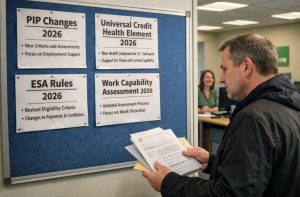
The reforms are part of the government’s Pathways to Work Green Paper and Spring Statement 2025 package.
According to the DWP, spending on working-age disability and health-related benefits has increased by £19 billion since 2018/19 and is forecast to reach £70 billion by 2029/30.
The government says the current system discourages people from trying work because claimants fear losing support. Ministers also want to align the rules used for PIP, ESA and the Universal Credit health element so that assessments are more consistent.
Sir Stephen Timms, Minister for Social Security and Disability, said:
“Giving sick and disabled people legal protection to try work without fear is vital for their futures and for growing our economy.”
The reforms mainly affect new claimants from April 2026 onwards. Existing claimants are generally protected from the biggest cuts, although some may face more frequent reassessments or changes when their award is reviewed.
Why Is the Government Changing Disability Benefits?
The Department for Work and Pensions argues that the gap between the Universal Credit standard allowance and the health element has grown too large.
Officials believe this may reduce incentives to move into work, as additional payments can make staying on benefits more financially stable for some claimants.
The DWP highlights several reasons for the reforms:
- Only around 1% of people in the LCWRA group move into work each month
- Plans to reduce extra payments for new claimants
- Increase in the standard Universal Credit allowance
- Focus on encouraging more people into employment
However, disability charities strongly oppose the changes. Groups like Scope and CPAG warn the reforms could push vulnerable households into poverty, with estimates suggesting 3.2 million families may lose an average of £1,720 a year by 2029/30.
How Is the Universal Credit Health Element Changing?

The biggest financial change affects the Universal Credit health element, also known as LCWRA. From 6 April 2026, new claimants will receive a lower weekly amount if they are assessed as having limited capability for work-related activity.
Who Will Still Receive the Higher LCWRA Rate?
Existing claimants who already receive LCWRA before 6 April 2026 will keep the higher payment. The higher rate will also continue for people with severe lifelong conditions and those nearing the end of life.
You will still qualify for the higher amount if:
- You told the DWP about your condition before 6 April 2026
- You already receive LCWRA before the rule change
- You have a severe, lifelong condition that will not improve
- You are terminally ill
- You previously received the ESA support group component
What Could New Claimants Lose Under the New Rules?
New claimants who report a health condition after 6 April 2026 and do not have a severe lifelong condition will receive around £50 a week instead of approximately £97 a week.
| Claimant Type | Weekly LCWRA Amount |
|---|---|
| Existing claimant before April 2026 | Around £97 |
| New claimant after April 2026 | Around £50 |
| Severe lifelong condition claimant | Around £97 |
The lower amount will then be frozen until 2029/30. Without the reform, the payment would have risen to around £107 a week.
The DWP estimates that around 730,000 future claimants could lose roughly £3,000 a year because of this change.
Real Example: How One Claimant Could Be Affected
While looking into these changes, I came across Sarah, a new claimant who developed a long-term back condition in May 2026.
Under previous rules, she could have received around £97 a week, but under the new system she gets closer to £50.
Sarah said:
“I didn’t realise the rules had changed. I expected more support, but now I’m getting much less, and it’s harder to manage.”
This shows how some claimants could lose over £2,400 a year under the new system.
What Are the New PIP Rule Changes?
PIP is also changing from April 2026. The first change is positive for many claimants. New awards will last longer before a review takes place.
How Long Will PIP Awards Last?
From April 2026:
- New PIP claims will usually have a minimum review period of three years
- Claimants aged 25 and over may receive five-year review periods at their next review
- Some older claimants may eventually receive longer awards of up to 10 years
This could reduce the stress of regular reassessments for people with stable conditions.
What Is the New 4-Point PIP Rule?
The government is also proposing a tougher rule for qualifying for the daily living part of PIP. At present, you can qualify by scoring points across several activities. Under the new proposal, you would need to score at least four points in one single daily living activity.
This could make it harder to qualify if your difficulties are spread across several tasks rather than one severe issue.
For example, you may currently receive PIP because you score two points for preparing food, two points for washing and two points for dressing. Under the proposed rules, you might no longer qualify because none of those activities reaches four points on its own.
| PIP Rule | Current System | Proposed System |
|---|---|---|
| Daily living qualification | Total points across activities | At least 4 points in one activity |
| Review period | Often 1 to 3 years | Minimum 3 years, rising to 5 years |
The DWP expects around 370,000 current PIP claimants and 430,000 future claimants to lose entitlement under the new rule. The average financial loss could be around £4,500 a year.
Brian Dow, Chief Executive of Mental Health UK, said:
“People often tell us that fear of reassessment, or even losing essential support if things don’t work out, is a significant barrier.”
Can You Try Work Without Losing Your Benefits?

One of the most important reforms is the new “right to try” work. From April 2026, starting a job or volunteering will no longer automatically trigger a reassessment of your disability benefits.
The change applies to:
- PIP
- ESA
- Universal Credit health element
Previously, many claimants worried that taking a part-time job or volunteering could lead to their benefits being reviewed and potentially removed. The new legislation is designed to remove that fear.
What Does the Right to Try Rule Mean?
If you start work after April 2026, the DWP will not automatically reassess your claim simply because you have taken a job. The same protection also applies if you begin volunteering.
However, if your reassessment was already due before you started work, it can still go ahead.
The DWP says 37% of disabled people who want to work are held back by the fear of losing benefits. The government hopes this reform will encourage more people to test whether they can manage employment without risking their financial support.
Minesh Patel from Mind said:
“These reforms are a step in the right direction to help disabled people build up their confidence and skills to move into sustained and meaningful employment.”
Will the Work Capability Assessment Be Scrapped?
The Work Capability Assessment is expected to be replaced in 2028. The government wants future assessments to be more closely aligned with PIP.
Importantly, ministers have abandoned the previous government’s plans to change the Work Capability Assessment in 2025. Those earlier changes were ruled unlawful by the High Court.
Instead, the government now plans to:
- Keep the existing Work Capability Assessment until 2028
- Reintroduce more reassessments for people with short-term conditions
- Focus reviews on claimants placed in LCWRA under “substantial risk” rules
This means some claimants could face more frequent reassessments from 2026 onwards, particularly if their condition may improve.
Which Claimants Are Most Likely to Be Affected?
The DWP’s equality analysis shows that some groups are more likely to lose out than others.
| Group Most Affected | Average Annual Loss |
|---|---|
| Disabled households | £1,730 |
| Claimants aged 50–60 | £1,960 |
| Claimants aged 60–70 | £2,020 |
| Couples | £2,340 |
| Future PIP claimants losing entitlement | £4,500 |
Disabled households account for 96% of all families expected to lose money. Single women are also more likely to be affected because they are more likely to claim disability benefits.
Older claimants aged over 40 face the largest average losses, while younger claimants are more likely to be affected by the lower Universal Credit health element.
What Other Disability Benefit Changes Are Coming?
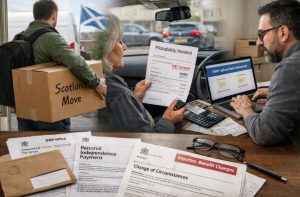
Several smaller rule changes are also being introduced.
People moving from England or Wales to Scotland while claiming DLA, Attendance Allowance or PIP will now need to apply for the Scottish replacement benefit instead of being transferred automatically.
The DWP is also introducing new anti-fraud checks. Claimants may need to verify savings through Open Banking or provide evidence of self-employed income and expenses.
From July 2026, VAT relief will be removed from some Motability scheme top-up payments, meaning some claimants may pay 20% more for adapted vehicles.
What Should You Do If You Are Affected?
If you receive disability benefits, the first step is to check whether you are classed as an existing claimant or a new claimant after April 2026.
This distinction is important, as the new rules from the Department for Work and Pensions may affect payments differently depending on your status.
You should also make sure your records are fully up to date and be prepared for possible reviews.
Key steps to take:
- Keep your medical evidence updated
- Check your benefit status and recent letters
- Seek advice from Citizens Advice, Scope, or a welfare adviser
While some changes are already in place, others are still proposals and could change before full rollout. Staying informed and acting early can help you avoid unexpected reductions in support
Conclusion
The DWP disability benefits rule changes from 2026 will affect millions of claimants across the UK. The biggest reforms include lower Universal Credit health payments for new claimants, longer PIP awards, tougher PIP eligibility rules and the new right to try work.
While the government says the changes will encourage employment and make the system fairer, many charities fear they could leave disabled households worse off.
If you currently receive benefits, or expect to claim in future, it is important to understand which changes apply to you and keep up to date as further reforms are announced.
FAQs About DWP Disability Benefits Rule Changes
Will existing Universal Credit claimants lose money in 2026?
Existing claimants who already receive LCWRA before 6 April 2026 will keep the higher rate. However, the payment will be frozen rather than rise with inflation.
Will everyone on PIP have to reapply?
No. Existing claimants will remain on PIP until their next review, but they may be affected if the new eligibility rules are introduced before that review takes place.
Can you still volunteer without losing benefits?
Yes. The new “right to try” legislation means volunteering will not automatically trigger a reassessment.
When will the new PIP rule start?
The proposed four-point rule is expected from 2026 onwards, but it still requires legislation and could change.
What happens if you move to Scotland?
You will need to make a new claim for the Scottish equivalent benefit, such as Adult Disability Payment or Pension Age Disability Payment.