20 Acceptable Reasons for Missing Universal Credit Appointment
Missing a Universal Credit appointment can feel stressful, especially when circumstances are beyond one’s control. However, there are several legitimate reasons the Department for Work and Pensions (DWP) considers acceptable when a claimant cannot attend.
Understanding these reasons and knowing how to communicate them appropriately can help avoid penalties. In this guide, each recognised reason is explained clearly, with tips on how to handle the situation effectively.
Whether the issue is health-related, a legal obligation, or simply an emergency, this list will help ensure claimants take the correct steps.
Why Are Universal Credit Appointments So Important?

Universal Credit appointments are a mandatory part of managing your claim. These sessions, held either in person, by telephone, or online, are designed to check progress, confirm job-seeking activity, and ensure compliance with your claimant commitment.
Each appointment serves a specific purpose from helping you find employment to reviewing your circumstances.
Missing one without explanation may be treated as a breach of the rules. The DWP views attendance as a key indicator of your willingness to engage with the welfare system, and any deviation without notification could result in serious consequences.
The DWP provides flexibility in certain situations, but to avoid sanctions, it’s essential to notify them promptly and, where possible, supply supporting documentation.
What Happens If You Miss a Universal Credit Appointment?
When you fail to attend an appointment without explanation, you risk facing a Universal Credit sanction.
This sanction may result in a partial or complete reduction of your benefit payments for a period that varies depending on the circumstances and your history.
First-time missed appointments may result in a warning or a short-term deduction. However, repeated absences or a pattern of non-engagement can lead to more severe sanctions.
In some cases, claimants who frequently miss appointments, even with excuses, are referred to a decision maker who reviews whether the reasons are sufficient.
The DWP considers several factors when determining whether to apply a sanction, including how quickly the absence was reported, whether evidence was submitted, and how plausible the explanation is.
What Happens If It Was the DWP’s Mistake?
Mistakes do occasionally happen on the DWP’s side, and claimants should not be penalised when these errors cause missed appointments.
Common administrative problems include incorrect dates entered into the system, missing appointment notifications, or calls made without prior notice. In these cases, it’s essential for the claimant to check their Universal Credit journal and respond quickly.
To handle such situations effectively:
- Log the error or missed call in the journal as soon as possible
- Request clarification of the correct appointment time or date
- Explain the misunderstanding to the work coach clearly
Evidence such as a screenshot of the journal, call logs, or previous messages can support the claimant’s case. When it’s clear the fault lies with the system or staff, the DWP will typically excuse the absence and reschedule the meeting.
What Are the Most Common Acceptable Reasons for Missing a Universal Credit Appointment?

Before diving into the specific situations, it’s important to know what makes a reason “acceptable.” The DWP defines these as “good cause” reasons, circumstances that are unforeseen, unavoidable, or supported by valid documentation.
These reasons are not just limited to health problems or emergencies but also include legal obligations, childcare issues, and unexpected events that genuinely prevent attendance. The following 20 reasons reflect the most commonly accepted explanations:
1. Illness or Medical Emergency

Unexpected illness is one of the most understandable reasons for missing a Universal Credit appointment. From a severe migraine or flu to more serious conditions like infections, asthma attacks, or sudden injuries, health issues can prevent claimants from attending.
When emergencies strike, attending a DWP meeting should never take priority over someone’s physical wellbeing.
This reason is generally accepted as “good cause,” especially if health or safety was at risk. While evidence is not always mandatory, it helps to include brief details about the illness and its impact.
Recommended steps:
- Inform the DWP via the UC journal
- Include the nature, timing, and impact of the illness
- Attach evidence such as hospital or GP documentation
Accepted evidence includes:
- GP letters or sick notes
- A&E discharge summaries
- Prescriptions or medication details
Health always comes first, and the DWP typically responds with understanding when medical issues are clearly explained and documented.
2. Bereavement or Funeral

Losing a loved one is one of life’s most distressing experiences, and it understandably affects someone’s ability to attend a Universal Credit appointment.
Whether due to emotional shock, travel requirements for the funeral, or the responsibility of organising arrangements, bereavement is a legitimate and well-recognised reason for missing an appointment.
To avoid confusion or penalties, it’s helpful to let the DWP know what happened as soon as possible. Claimants should also specify the nature of the relationship to the deceased and whether they had any responsibilities during the mourning period.
Actions to take:
- Report the bereavement through the journal or by phone
- Request additional time if emotional distress continues
- Share any supporting information if asked
Suggested documentation:
- Funeral invitation or order of service
- Death certificate (if available)
- Letter from a funeral director or counsellor
Bereavement is always treated with empathy by the DWP when shared with clarity, compassion, and any relevant context.
3. Mental Health Crisis or Issues

Mental health challenges can be just as debilitating as physical ones, often occurring with little warning. Conditions such as anxiety, depression, PTSD, or panic disorders can make it emotionally or physically impossible to attend a Universal Credit appointment. These issues may cause social withdrawal, fear of public spaces, or loss of concentration and memory.
The DWP increasingly recognises mental health as a valid reason for absence, especially if it is reported in a timely and respectful manner. If the crisis prevents communication at the time, updates should be made in the journal once the claimant is feeling more stable.
In some cases, the appointment itself can be a trigger, and claimants are encouraged to be honest about their condition and its effects. Evidence is optional but often helps avoid misunderstanding.
Next steps:
- Describe the mental health episode in your journal
- Share the date and how it affected your functioning
- Request rescheduling or support where necessary
Possible documentation:
- Letter from a therapist, GP, or counsellor
- Mental health service appointment confirmation
- Statement from a support worker
When communicated openly, mental health challenges are acknowledged and supported by the DWP as valid reasons for non-attendance.
4. Caring Responsibilities (Dependents, Elderly, Disabled)

For claimants who are carers, unexpected emergencies can disrupt carefully planned schedules. Whether it’s a child suddenly falling ill, an elderly parent requiring urgent care, or a person with disabilities experiencing a crisis, caring duties may force someone to miss a Universal Credit appointment at short notice.
The DWP acknowledges that carers often work without support, making it difficult to arrange emergency cover.
When a dependent’s wellbeing is at risk, attending a meeting becomes secondary to ensuring their safety and comfort. These situations are often unpredictable and should be explained as soon as the crisis settles.
Communication is key, particularly if the claimant has frequent caregiving responsibilities that may interfere with future appointments.
What to do:
- Log the event in your journal with date and time
- Explain how your role as a carer impacted your availability
- Offer any supporting documents if requested
Helpful evidence:
- GP note confirming the dependent’s condition
- Letter from a school, care agency, or social worker
- Emergency care service report
Caring duties are valid and respected by the DWP, especially when the situation is outlined honestly and backed by relevant context.
5. Childcare Emergency or Difficulties

Unexpected childcare problems can cause claimants, especially single parents, to miss their Universal Credit appointments. When a child becomes unwell at school, a nursery closes without warning, or a babysitter cancels last minute, it can be impossible to find immediate alternatives. The safety and wellbeing of a child always come first.
The DWP typically understands that these issues are beyond a parent’s control. It’s essential to inform them as soon as possible and explain what happened, especially if the issue was sudden and could not be predicted. Even if no formal evidence is available, a clear and prompt explanation usually suffices.
Repeat occurrences may require further clarification, but one-off events are normally accepted with minimal concern.
To handle this properly:
- Describe the emergency in your journal
- Include the date and nature of the issue
- Request a reschedule if needed
Useful supporting documents:
- Email or text from school or nursery
- GP note if the child was unwell
- Written explanation from a childcare provider
As long as childcare difficulties are communicated quickly and clearly, the DWP will typically allow missed appointments without penalty.
6. Court or Tribunal Date or Legal Obligation

Legal responsibilities are taken seriously by the DWP, and attending court always takes precedence over any Universal Credit appointment.
Claimants may need to appear in court for various reasons including jury service, civil matters, criminal defence, or as a witness. These dates are typically fixed and cannot be rescheduled.
Legal consultations with solicitors or tribunal appearances for housing, family, or immigration matters also count as valid obligations. The key is to notify the DWP as soon as the date is known and to attach formal documentation as evidence.
Courts often issue letters, notices, or emails confirming attendance requirements.
Valid scenarios:
- Jury duty or summons
- Tribunal hearing
- Legal consultation or evidence submission
Accepted documentation:
| Legal Obligation | Evidence Examples |
| Jury or Court | Summons, court order |
| Tribunal | Case hearing schedule |
| Solicitor | Appointment confirmation |
Court-related obligations are rarely disputed, provided they’re reported clearly and supported with official documentation.
7. Detention in Police Custody

Being detained in police custody is a serious and unplanned situation that may result in a missed appointment. This could involve being held overnight for questioning, detained after an arrest, or subject to bail conditions that restrict movement or access to appointments.
While sensitive in nature, the DWP recognises this as a valid reason, especially if the detention is documented. Once released, it’s crucial to inform your work coach or update your journal promptly.
You’re not expected to disclose sensitive legal details but should confirm that the detention occurred and prevented attendance.
Important steps:
- State the date and timing of the detention
- Explain its impact on your ability to attend
- Provide legal proof where possible
Typical evidence includes:
- Custody release documentation
- Solicitor letter or court reference
- Bail notice or restriction confirmation
The DWP handles these matters discretely and typically accepts police custody as a valid reason when backed by timely communication.
8. Victim of Crime or Domestic Abuse

Experiencing a crime can be traumatic and destabilising, often leaving individuals unable to attend appointments. This includes burglary, assault, mugging, and particularly domestic abuse, where emotional and physical safety may be at risk. Such incidents often require police involvement, medical care, or temporary relocation.
The DWP has policies in place to support victims, and claimants are encouraged to report their situation confidentially. Work coaches are trained to handle these matters sensitively, without requiring unnecessary details.
Prompt reporting, even after the event, helps build understanding and support.
Acceptable situations:
- Domestic violence or coercion
- Robbery or assault
- Break-ins or physical threat
Supporting documents may include:
- Police incident report or crime number
- Letter from a domestic abuse refuge or support worker
- GP or A&E note verifying treatment
When safety is a concern, the DWP responds with compassion, allowing time and space for claimants to regain stability.
9. Severe Weather Conditions or Travel Disruption
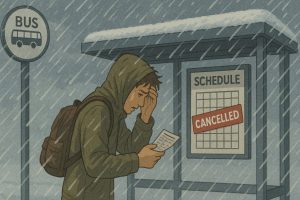
The UK’s unpredictable weather can lead to serious travel disruption, particularly in winter months. Heavy snow, icy roads, flooding, or storms can delay or cancel public transport, block roads, and even make it unsafe to leave home.
These conditions are recognised by the DWP as valid reasons for missing an appointment. People in rural areas are especially vulnerable to weather-related challenges.
If weather prevents attendance, the claimant should notify the DWP as soon as possible and include any available proof of the disruption.
Possible conditions:
- Severe snow or flooding
- Storms causing public transport delays
- Road closures or blocked paths
Evidence options:
- Weather warnings from local authorities
- Public transport cancellation notices
- Photos or news reports of affected areas
Travel disruption due to dangerous weather is generally accepted by the DWP, especially when documented with public alerts or official notices.
10. Transport Failure (Car Breakdown, Road Closure, Cancellations)

Even the most organised claimant can be derailed by an unexpected transport failure. Whether it’s a car that won’t start, a broken-down bus, or an accident causing road closures, these incidents can make it impossible to attend a Universal Credit appointment on time.
Claimants should document the issue and report it immediately. If possible, rescheduling can be requested within the same day or week. Transport failures are treated seriously, especially when it’s clear the issue was genuine and outside the claimant’s control.
Examples include:
- Vehicle breakdowns
- Train or bus cancellations
- Accidents delaying traffic
Useful evidence:
| Issue Type | Documentation |
| Breakdown | AA or RAC receipt |
| Public Transport | Delay or cancellation screenshot |
| Road Closure | News alert or traffic app photo |
The DWP generally accepts transport disruptions when promptly explained and supported with basic proof of the issue.
11. Fire, Flood, or Serious Home Emergency

Emergencies at home such as fires, flooding, gas leaks, or structural damage often require immediate attention and may put the claimant’s safety at risk.
These situations can be highly disruptive, leaving individuals unable to attend appointments, especially if evacuation or emergency services are involved.
In such cases, claimants may need to contact insurance providers, stay in temporary accommodation, or coordinate repairs.
The DWP recognises that these incidents are outside of the claimant’s control and typically accepts them as legitimate reasons for missing a meeting, particularly when explained promptly and backed by simple evidence.
Examples of qualifying emergencies:
- House fire or smoke damage
- Flooding due to burst pipes or weather
- Structural collapse or gas leaks
Useful supporting documents:
- Fire brigade or emergency service report
- Letter from landlord or housing association
- Photos or insurance claim notice
Emergencies like these are taken seriously by the DWP and are typically excused when clearly explained and documented soon after the event.
12. Housing Issues (Eviction, Unsafe Conditions, Emergency Repairs)

Housing-related disruptions can force claimants to miss scheduled appointments. Whether it’s an emergency eviction, unexpected loss of accommodation, or essential repairs making the home uninhabitable, these situations often require immediate focus and relocation efforts.
Many claimants in the UK face housing instability, especially those in temporary or social housing. If you’re dealing with legal eviction proceedings, council re-housing, or unsafe living conditions, the DWP will usually accept your explanation if it’s genuine and timely.
Possible housing disruptions:
- Being evicted or served notice
- Living in unsafe, damp, or structurally unstable housing
- Temporary homelessness or emergency shelter placement
Recommended documents to provide:
- Eviction notice from a landlord or council
- Letter from housing support or shelter
- Housing inspection report or repair notice
The DWP recognises housing instability as a valid reason for absence and generally supports claimants dealing with emergency accommodation needs.
13. Sudden Job Interview or Work Trial or Employment Interview

If a job opportunity arises at short notice, it’s often in the claimant’s best interest to attend, even if it clashes with a pre-booked appointment.
The DWP supports and encourages such efforts and generally accepts job interviews, assessments, or work trials as valid reasons for non-attendance.
Often, employers contact candidates with less than 24 hours’ notice, especially in hospitality, retail, or warehouse jobs. So long as the claimant updates the DWP promptly and provides basic information, these appointments are rarely penalised.
Situations that count:
- In-person or video interview
- Assessment centre visit
- Work trial, training session, or induction
Evidence that helps:
- Interview confirmation email or letter
- Screenshot of job communication
- Call log or text from the employer
The DWP encourages employment efforts and typically views genuine interviews or job trials as constructive reasons for missing a meeting.
14. Approved Holiday or Travel (Pre-Notified)

Claimants can sometimes miss an appointment due to pre-approved travel, especially for family visits, urgent overseas matters, or planned holidays.
As long as this travel has been discussed and logged in the Universal Credit journal before the trip, the DWP will usually honour the absence.
Problems only arise when appointments are scheduled during that approved window due to system error or oversight. In these cases, it’s important to refer back to the journal messages showing that permission had already been granted.
Examples of valid travel:
- Visiting family overseas
- Travel related to family bereavement
- Short domestic or international holiday
Provide if needed:
- Journal screenshot showing pre-approved dates
- Booking confirmation or travel itinerary
- Accommodation receipts
As long as your holiday or travel was pre-approved and documented, missing a meeting during that time is usually accepted by the DWP without issue.
15. Work or Study Commitments (Shifts, Training, Education)

Sometimes, Universal Credit claimants take part in part-time jobs, training schemes, or educational programmes.
If an appointment clashes with a work shift, training module, or university session, the DWP will usually excuse the absence as long as the commitment was genuine and part of your work plan.
This applies to vocational training, apprenticeships, college classes, and even temporary or zero-hour job shifts. It’s best to provide a timetable or email confirming the clash.
Common examples:
- Work shift overlaps with UC meeting
- College lecture or study block
- Job training or qualification session
Supporting documentation:
- Shift rota from employer
- Letter from education provider
- Training schedule or course email
The DWP supports activities that improve employability, and absences caused by legitimate work or study commitments are usually allowed.
16. Religious Commitments (Holiday or Observance)

Claimants who observe religious holidays or attend essential ceremonies may be unable to attend their Universal Credit appointments on those days. Whether it’s a religious festival, prayer session, or sacred observance, the DWP has a responsibility to respect such commitments.
Conflicts may also arise due to fasting or travel restrictions during specific religious periods. Letting your work coach know in advance increases the chances of a smooth reschedule without any sanctions.
Examples of observances:
- Eid, Diwali, or Passover celebrations
- Sunday services or weekly prayer rituals
- Funerals or religious pilgrimages
Optional supporting documents:
- Letter from a religious leader or community centre
- Calendar of observance dates
- Notification from your place of worship
Faith-based observances are valid reasons for rescheduling appointments and are generally respected by the DWP when communicated clearly.
17. Technical Problems or Digital Exclusion

Online appointments via video call or phone are now standard for many UC claimants. However, technical problems can arise unexpectedly, whether it’s a broken phone, internet outage, or software crash. These disruptions can prevent someone from joining an appointment through no fault of their own.
This reason is particularly common among claimants in rural areas or those using older devices. While not all tech issues need documentation, repeated problems may require explanation.
Possible issues:
- Wi-Fi outage
- Mobile phone or laptop failure
- Log-in or authentication issues
Optional evidence:
- Screenshot of the error or outage
- Letter from internet provider
- Repair receipt
When digital issues are genuine and reported honestly, the DWP usually reschedules online appointments without applying sanctions.
18. Language or Accessibility Issues

Not every claimant can communicate fluently in English or use the digital systems required by Universal Credit. If you face language barriers, literacy difficulties, or a physical disability that prevents you from accessing your appointment, the DWP may excuse your absence and make reasonable adjustments.
This applies to hearing and vision impairments, learning difficulties, or simply not receiving the support you were promised, like an interpreter or accessible format.
Common accessibility concerns:
- No interpreter provided for appointment
- Appointment location not wheelchair-accessible
- Poor understanding of digital instructions
What can support your case:
- GP or social worker letter
- Statement from a support organisation
- Previous journal entries noting the need for support
When accessibility barriers are explained with care, the DWP generally offers flexibility and support to help claimants re-engage.
19. Military Service (Training or Deployment)

For reservists and serving personnel, military obligations such as training weekends, deployment, or call-ups can clash with Universal Credit appointments. These duties are legally binding and must be prioritised over DWP appointments.
Even short-notice military tasks are considered acceptable absences, so long as the claimant informs the DWP when possible and provides a letter from their unit or commanding officer.
Military-related reasons include:
- Annual training or skills assessments
- Weekend service deployments
- Call-up or mobilisation
Accepted documentation:
- Training or deployment letter
- Note from commanding officer
- Military schedule or calendar
When military duties are verified, the DWP recognises them as lawful obligations and allows for rescheduling accordingly.
20. Miscommunication or DWP Error

Not every missed appointment is the claimant’s fault. Occasionally, the DWP sends out incorrect dates, fails to update the online journal, or makes calls at unannounced times. In such cases, claimants may miss a meeting without even realising it was scheduled.
These errors are relatively common and are generally not penalised when the mistake is explained and supported with evidence such as journal entries or screenshots.
Common miscommunication issues:
- Appointment not listed in journal
- Call made at the wrong time or without warning
- Incorrect information given over the phone
Recommended actions:
- Provide a journal screenshot or call log
- Clarify the confusion in writing
- Request clarification or a new appointment
If the DWP made an error and the claimant acted in good faith, the absence is almost always forgiven and quickly resolved.
Summary Table: 20 Acceptable Reasons for Missing a Universal Credit Appointment
| Reason No. | Acceptable Reason | Description |
| 1 | Illness or Medical Emergency | Sudden health issues or hospital visits making attendance unsafe or impossible |
| 2 | Bereavement or Funeral | Loss of a close family member or attending/arranging a funeral |
| 3 | Mental Health Crisis / Issues | Anxiety, depression, or mental health episodes interfering with daily function |
| 4 | Caring Responsibilities | Emergency care for a dependent, elderly, or disabled individual |
| 5 | Childcare Emergency / Difficulties | Unplanned childcare problems like school closure or babysitter cancellation |
| 6 | Court or Tribunal Date / Legal Obligation | Mandatory court or legal appointments that override DWP meetings |
| 7 | Detention in Police Custody | Held for questioning or restricted by bail, preventing attendance |
| 8 | Victim of Crime / Domestic Abuse | Trauma, safety risks, or recovery needs after a crime or abuse incident |
| 9 | Severe Weather Conditions / Travel Disruption | Dangerous weather preventing safe travel or causing transport delays |
| 10 | Transport Failure | Car breakdowns, public transport cancellations, or road closures |
| 11 | Fire, Flood, or Serious Home Emergency | Home disasters needing emergency response, repairs, or temporary evacuation |
| 12 | Housing Issues | Evictions, emergency moves, or uninhabitable living conditions |
| 13 | Sudden Job Interview / Work Trial | Short-notice interviews, inductions, or job-related events |
| 14 | Approved Holiday or Travel | Pre-authorised travel that overlaps with appointment due to scheduling error |
| 15 | Work or Study Commitments | Job shifts, training, or education sessions scheduled during appointment times |
| 16 | Religious Commitments | Attending religious observances or ceremonies that conflict with appointments |
| 17 | Technical Problems / Digital Exclusion | Internet outages, software issues, or inaccessible online platforms |
| 18 | Language or Accessibility Issues | Lack of support for non-English speakers or those with disabilities |
| 19 | Military Service | Training, deployment, or emergency call-up for reservists or service members |
| 20 | Miscommunication or DWP Error | Missed calls or appointments due to admin errors or unclear communication |
How Should You Notify the DWP About a Missed Appointment?

Timely reporting is essential. If you miss an appointment or know in advance that you cannot attend, you should:
- Update your Universal Credit journal with the reason and date
- Call the Universal Credit helpline at 0800 328 5644
- Visit the Jobcentre Plus in person if safe and practical
The DWP will assess both the timing and content of your explanation. Late reporting can reduce the chances of the absence being excused.
What Evidence Is Commonly Accepted by the DWP?
Providing proof of your reason significantly increases the likelihood of avoiding a sanction. The DWP accepts a variety of evidence formats, depending on the situation.
| Reason | Accepted Evidence |
| Illness or medical emergency | GP letter, hospital discharge papers |
| Childcare issues | School closure notice, childminder note |
| Court or legal obligation | Summons, solicitor letter |
| Housing or council appointment | Council or housing officer letter |
| Mental health crisis | Therapist or counsellor’s note |
| Transport or weather issues | Service disruption alert, recovery receipt |
| Crime or abuse incident | Police incident number, support worker letter |
| Online appointment failure | Screenshot, ISP outage confirmation |
Can You Appeal a Sanction If You Missed an Appointment?
Yes, if you believe you were sanctioned unfairly, you can challenge the decision through the Mandatory Reconsideration process. If this is unsuccessful, the next step is a formal tribunal.
| Stage | Action Required | Time Limit |
| Step 1 | Request a Mandatory Reconsideration | Within 1 month of notice |
| Step 2 | Submit supporting documentation | As soon as possible |
| Step 3 | Appeal to an independent tribunal | 1 month after decision |
Maintaining a record of all journal updates, appointment letters, and submitted evidence will improve the strength of your case.
How Can You Avoid Missing Universal Credit Appointments in the Future?

Avoiding missed Universal Credit appointments can help protect your payments and reduce the stress of having to explain an absence. By being proactive, staying organised, and communicating effectively, claimants can minimise the risk of missing scheduled meetings with their work coach.
Tips to Stay On Track
- Use the Universal Credit journal regularly to check for updates or appointment changes
- Set phone or calendar reminders as soon as you receive an appointment
- Keep your contact information up to date so you receive texts and emails
- Notify your work coach in advance if you know you can’t attend
- Request reasonable adjustments if you have accessibility or language barriers
- Check your journal daily during periods of job search activity
If something unavoidable happens, report it immediately through the journal or by calling the DWP. Providing evidence and being honest about the situation usually helps in getting the appointment rescheduled without a sanction.
Conclusion
Missing a Universal Credit appointment can feel worrying, but the DWP does allow for many valid reasons. From medical emergencies to technical issues or legal obligations, the key is to communicate honestly and clearly.
Keeping your journal updated and providing documentation where possible helps maintain your benefits and build trust with your work coach. Life happens, what matters most is how you respond and follow up.
Frequently Asked Questions
What if I forgot my Universal Credit appointment?
Forgetting isn’t usually accepted unless there were exceptional circumstances. Notify the DWP as soon as possible.
Can I be sanctioned even with a valid reason?
Yes, if the DWP finds the reason unclear or unsupported by evidence.
Is mental health a valid reason for missing an appointment?
Yes, especially if supported by documentation from a healthcare professional.
What evidence can I provide for transport or technical issues?
Screenshots, service alerts, or breakdown receipts are typically accepted.
Can I appeal a sanction?
Yes, through a Mandatory Reconsideration. If unsuccessful, you can appeal to a tribunal.
Will I be penalised for multiple missed appointments?
Possibly. Repeated absences may be reviewed by a decision maker, even with valid reasons.
How do I confirm approved holiday leave with the DWP?
Check your Universal Credit journal for prior approval messages or provide booking confirmations.
READ NEXT:
- DWP Confirms Winter Fuel Payment Details 2025: How Much Will You Get and When?
- Universal Credit Claimants Could Receive £646 in DWP Freebie Benefits This July – Full List of Support
- DWP New 13 Week Rule Explained: What UK Claimants Need to Know?
- DWP £299 Cost of Living Payment – What You Need to Know in 2025?