
How Much is the State Pension for a Woman in 2026?
The UK State Pension provides a regular income for people who reach retirement age after paying enough National Insurance contributions during their working years.
In 2026, many people are asking how much the state pension is for a woman, especially after the government confirmed another increase under the triple lock policy.
From 6 April 2026, the full new State Pension will rise to £241.30 per week, while those receiving the basic State Pension will receive £184.90 per week.
However, the exact amount a woman receives may vary depending on her National Insurance record, eligibility, and retirement date.
Key points for 2026:
- Full new State Pension: £241.30 per week (£12,547 per year)
- Full basic State Pension: £184.90 per week (£9,614 per year)
- Increase: 4.8% rise under the triple lock guarantee
- Full entitlement: Usually requires 30–35 qualifying NI years
Is the State Pension Different for Women in the UK in 2026?

In the past, the UK had different retirement ages for men and women, but this is no longer the case. Today, the State Pension amount is the same for both genders. This means women receive the same standard State Pension rates as men if they meet the eligibility requirements.
However, some women may receive a lower pension in practice. This is usually due to differences in employment history, National Insurance contributions, or career breaks taken for childcare or caring responsibilities.
Many financial experts refer to this as the “gender pension gap.” Women are statistically more likely to have periods out of work or part-time employment, which can reduce the number of qualifying National Insurance years.
Despite these differences, the official State Pension rate set by the UK government applies equally to men and women.
How Much is the State Pension for a Woman in 2026?
From April 2026, the UK government confirmed that the State Pension will increase by 4.8%, following strong wage growth. This increase means the full pension will be worth significantly more than in previous years.
The exact amount depends on whether someone qualifies for the new State Pension or the basic State Pension.
2026 State Pension Rates
| Pension Type | Weekly Payment | Annual Amount |
|---|---|---|
| New State Pension | £241.30 | £12,547.60 |
| Basic State Pension | £184.90 | £9,614.80 |
Women who qualify for the full new State Pension can receive £241.30 per week, which equals approximately £12,547 per year.
Those who reached pension age before April 2016 may receive the basic State Pension, which rises to £184.90 per week in the 2026/27 tax year.
According to the Department for Work and Pensions (DWP):
“The State Pension will increase by 4.8% from April 2026 under the triple lock guarantee, helping pensioners keep pace with rising earnings.”
It is important to note that these figures represent the maximum full pension. Many people receive slightly less depending on their National Insurance record.
Why is the UK State Pension Increasing in 2026?
The annual increase in the State Pension is determined by the triple lock policy, a government commitment designed to protect pensioners’ incomes from inflation and wage changes.
The triple lock ensures that the State Pension increases every year by whichever is highest of the following three measures:
- Average earnings growth
- Inflation (Consumer Price Index)
- A minimum increase of 2.5%
For the 2026/27 tax year, wage growth between May and July reached 4.8%, which was higher than the other measures. As a result, pensions will increase by this amount.
Chancellor Rachel Reeves confirmed the rise during the Autumn Budget announcement:
“The government remains committed to the triple lock, ensuring millions of pensioners benefit from an above-inflation increase in their State Pension.”
This increase will provide an annual boost of around £575 for those receiving the full new State Pension.
What is the Difference Between the New State Pension and the Basic State Pension?
The UK currently operates two different State Pension systems depending on when someone reached retirement age.
New State Pension System
The new State Pension was introduced in April 2016. It simplified the system by replacing the basic pension and additional state pension schemes.
Key points about the new State Pension include:
- Full weekly payment of £241.30 in 2026
- Usually requires 35 qualifying years of National Insurance contributions
- Available to men born on or after 6 April 1951
- Available to women born on or after 6 April 1953
Basic State Pension System
The basic State Pension applies to people who reached State Pension age before April 2016.
Important features include:
- Full weekly payment of £184.90 in 2026
- Usually requires around 30 qualifying National Insurance years
- May include additional earnings-related pension schemes such as SERPS or State Second Pension
| Pension Feature | New State Pension | Basic State Pension |
|---|---|---|
| Introduced | April 2016 | Before 2016 |
| Weekly amount (2026) | £241.30 | £184.90 |
| Typical NI years required | 35 years | Around 30 years |
| Eligibility | Women born after April 1953 | Women born before April 1953 |
Understanding which system applies to you is essential when estimating how much State Pension you may receive.
What is the State Pension Age for Women in 2026?

The State Pension age in the UK is currently 66 for both men and women. However, the government has begun gradually increasing the pension age as life expectancy rises.
Between 2026 and 2028, the State Pension age will gradually increase from 66 to 67.
State Pension Age Transition
The increase applies mainly to people born on or after 6 April 1960. The exact retirement age depends on the individual’s date of birth.
For example:
- Someone born in April 1960 may reach pension age at 66 years and 1 month
- Someone born in July 1960 may reach pension age at 66 years and 4 months
- People born later will gradually reach pension age closer to 67
This transition ensures the pension system remains sustainable while maintaining support for future retirees.
How Many National Insurance Years Does a Woman Need to Receive the Full State Pension?
National Insurance (NI) contributions play a major role in determining the amount of State Pension someone receives.
To qualify for the full new State Pension, most people need 35 qualifying years on their National Insurance record.
A qualifying year usually means you were:
- Working and paying National Insurance contributions
- Receiving National Insurance credits while unemployed, ill, or caring for someone
- Paying voluntary contributions to fill gaps in your record
At least 10 qualifying years are usually required to receive any State Pension at all.
Women who have taken time away from employment to care for children or family members may still receive National Insurance credits, which help protect their future pension entitlement.
Why Do Some Women Receive Less Than the Full State Pension?

Even though the official State Pension rates are fixed, not everyone receives the full amount. Several factors can reduce a person’s final payment.
Some of the most common reasons include:
- Gaps in National Insurance contributions
- Time spent working part-time
- Career breaks for childcare or caring responsibilities
- Paying reduced rate National Insurance in earlier decades
- Fewer than the required qualifying years
These factors contribute to the gender pension gap, where women often receive slightly lower retirement income compared with men.
Margaret, 67, from Manchester, shared her experience:
“I took several years off work to look after my children, so my State Pension is a little lower than the full amount. Checking my National Insurance record helped me understand why.”
Fortunately, many women can increase their pension by filling gaps with voluntary contributions before reaching retirement age.
How Can a Woman Check Her State Pension Forecast?
The easiest way to find out how much State Pension you may receive is by checking your State Pension forecast online.
The official GOV.UK forecast service allows you to see:
- Your estimated weekly State Pension
- The date you will reach State Pension age
- Your current National Insurance record
- Whether you can increase your pension by filling gaps
Checking your forecast early can help identify missing contribution years and allow time to make voluntary contributions if necessary.
How and When is the State Pension Paid in the UK?

Once a person reaches their State Pension age and successfully claims their pension, payments are usually made every four weeks directly into a bank, building society, or Post Office account.
The first payment typically arrives within five weeks of reaching pension age, and payments are made in arrears for the previous four weeks.
It is important to remember that the State Pension is not paid automatically. Most people will receive a letter from the Pension Service approximately three months before they reach pension age explaining how to claim.
Claims can be made in several ways, including:
- Online through the GOV.UK website
- By telephone through the State Pension claim line
- By completing and sending a claim form by post
Can Women Increase Their State Pension Before Retirement?
Yes, there are several ways women can increase their State Pension entitlement before reaching retirement age.
Some of the most common options include:
- Paying voluntary National Insurance contributions to fill gaps in the record
- Claiming National Insurance credits while caring for children or relatives
- Deferring the State Pension, which increases weekly payments when claimed later
Deferring the pension means delaying the claim beyond State Pension age. When the pension is eventually claimed, the weekly payment is slightly higher.
Financial experts often recommend checking your National Insurance record early, as filling gaps can sometimes significantly increase the total pension received.
Conclusion
In the 2026/27 tax year, the full UK State Pension will rise by 4.8% under the triple lock policy. Women who qualify for the full new State Pension can receive £241.30 per week, while those on the basic State Pension will receive £184.90 per week.
Although the official rates are the same for men and women, the actual amount someone receives depends largely on their National Insurance contributions and employment history.
For anyone approaching retirement, it is essential to check your State Pension forecast and National Insurance record to understand how much you are likely to receive and whether you can increase your entitlement before retirement.
FAQs
Do you need to claim the State Pension or is it paid automatically?
The State Pension is not paid automatically. Most people receive a letter from the Pension Service before reaching retirement age explaining how to make a claim.
Can a woman receive the State Pension while still working?
Yes. You can continue working while receiving your State Pension, and your earnings will not affect the amount you receive.
What happens if you delay claiming your State Pension?
Delaying your State Pension can increase your weekly payments. The longer you defer it, the higher the eventual payment may be.
Is the UK State Pension taxable income?
Yes, the State Pension counts as taxable income. If your total income exceeds the personal allowance, you may need to pay income tax.
Can widowed women inherit part of their partner’s State Pension?
In some cases, widowed individuals may inherit additional State Pension payments depending on their partner’s contribution history and the pension system involved.
Can you receive the UK State Pension if you live abroad?
Yes. Many UK citizens receive their State Pension while living overseas, although annual increases may depend on the country of residence.
What benefits can pensioners claim in addition to the State Pension?
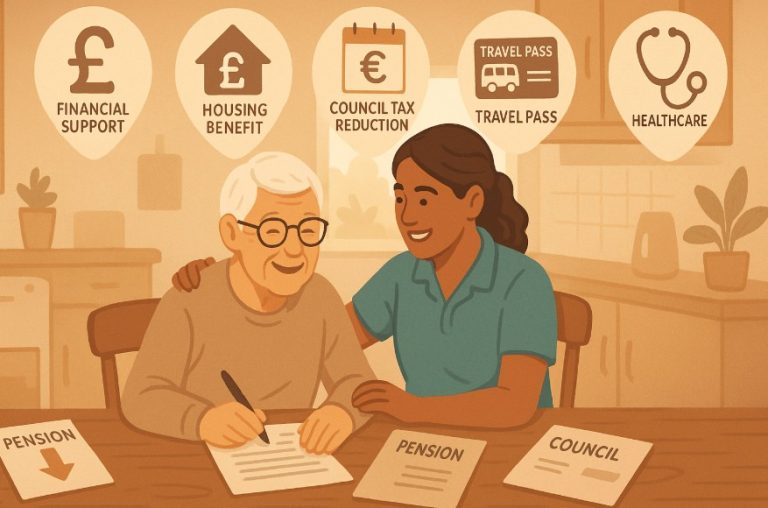
Eligible pensioners may receive additional support such as Pension Credit, Housing Benefit, and Winter Fuel Payments, depending on their income and circumstances.