What Are the Severe Disability Premium Living Alone Exceptions?
Did you know that while the Severe Disability Premium (SDP) is specifically designed for those living alone, there are specific exceptions that allow individuals to qualify even if they share their home?
The SDP provides vital financial support for people with severe disabilities in the UK, helping them meet the additional costs associated with their condition.
However, the eligibility rules, particularly around the “living alone” requirement, can be difficult to navigate.
In this comprehensive guide, we’ll explain what the SDP is, the living alone rule, and its exceptions.
We’ll also discuss how Universal Credit impacts SDP eligibility, the exact steps for claiming SDP, and how to ensure you’re not missing out on this critical financial aid.
What Is the Severe Disability Premium (SDP)?
The Severe Disability Premium (SDP) is an additional financial payment designed to support individuals with severe disabilities who meet specific eligibility criteria.
The payment is not a separate benefit; rather, it is an enhancement to existing income-related benefits.
The SDP recognises the additional costs faced by individuals who live with a disability and often lack financial or caregiving support.
What Benefits Can SDP Be Added To?
You must already be receiving one of the following income-related benefits to qualify for SDP:
- Income Support
- Income-related Employment and Support Allowance (ESA)
- Income-based Jobseeker’s Allowance (JSA)
- Pension Credit (Guarantee Credit)
- Housing Benefit
In addition to receiving one of these income-related benefits, you also need to be getting one of the following disability-related benefits:
- Attendance Allowance (or Constant Attendance Allowance paid with Industrial Injuries Disablement Benefit or War Pension)
- Disability Living Allowance (DLA) care component at the middle or highest rate
- Personal Independence Payment (PIP) daily living component
- Armed Forces Independence Payment
- Adult Disability Payment (Scotland) daily living component
- Pension Age Disability Payment (Scotland)
How Does the ‘Living Alone’ Rule Work for SDP?

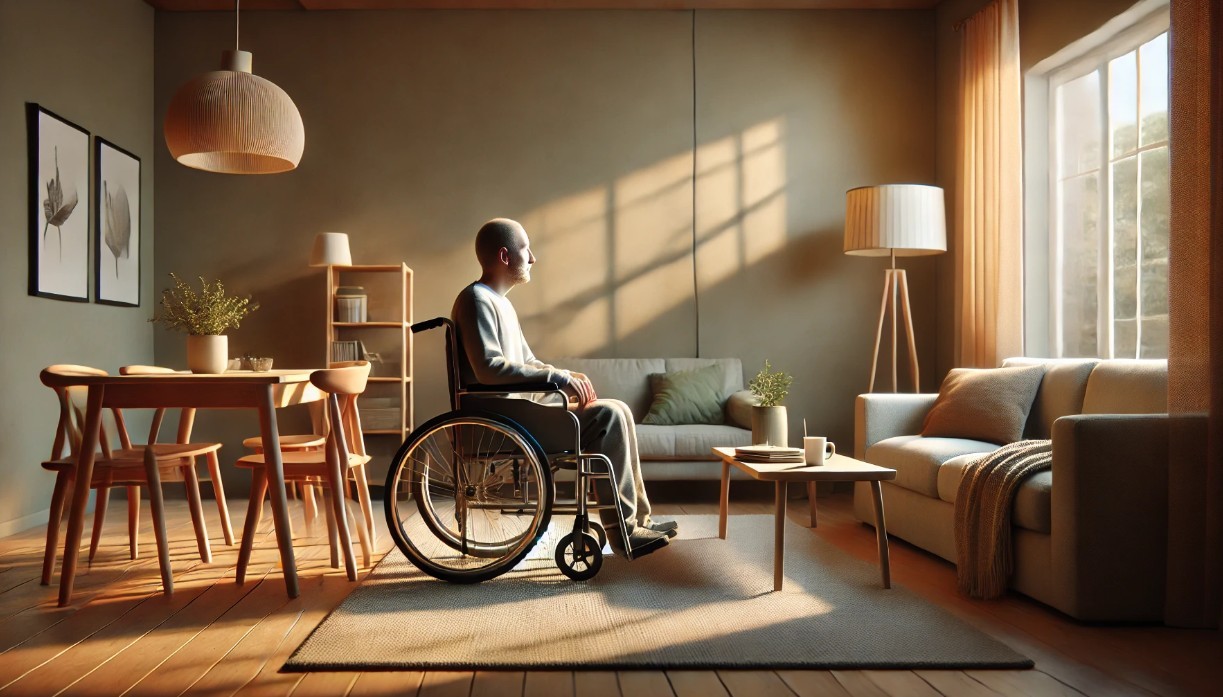
One of the primary eligibility criteria for the Severe Disability Premium is the living alone rule. This rule ensures that SDP is targeted at individuals who do not have other adults in their household to provide support or share living expenses.
What Does the Living Alone Rule Mean?
To meet this requirement, you must:
- Live alone or only with people who do not affect your eligibility (e.g., dependent children).
- Not have someone in your household receiving Carer’s Allowance, Carer Support Payment (Scotland), or the Carer’s Element in Universal Credit for looking after you.
This rule helps determine whether an individual is truly reliant on the support provided by SDP.
Who Qualifies for Exceptions to the Living Alone Rule?
While the living alone rule is a key requirement, several exceptions allow individuals to qualify for SDP even if they share their home with others.
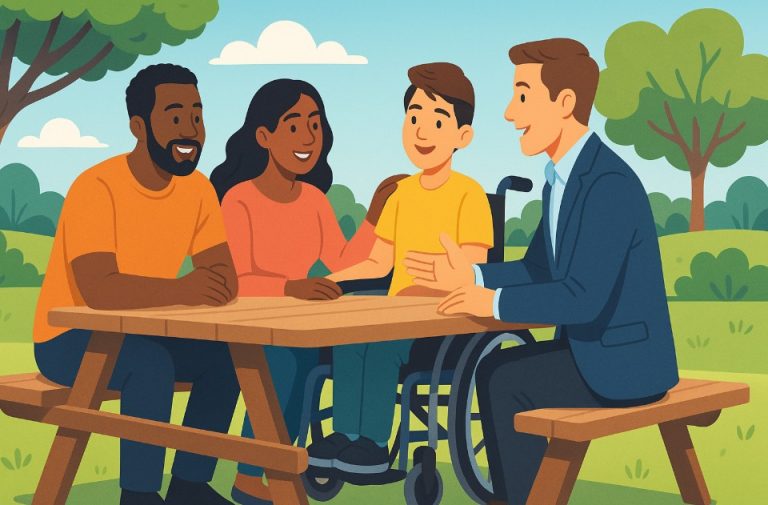
Living with a Carer
- If you live with a carer who does not receive Carer’s Allowance, Carer Support Payment (Scotland), or the Carer’s Element in Universal Credit, you may still qualify for SDP.
- However, if your carer starts receiving one of these benefits, it will affect your SDP eligibility.
Living with Dependents
- You can qualify for SDP if you live with dependent children or other dependents who do not contribute financially or provide caregiving support.
- For example, if you live with an adult child who does not have an income, this may not affect your claim.
Living with Non-Dependent Adults
- You might still qualify for SDP if you live with another adult who does not directly impact your eligibility.
- For instance, if you live with a flatmate and split the bills equally, you will likely still be treated as the only adult in the household.
Shared Accommodation
- If you live in shared housing, such as a house of multiple occupancy (HMO), where each resident is responsible for their own finances and has separate living arrangements, you can still qualify for SDP.
Partner Exceptions
- In some cases, couples can still qualify for SDP even if one partner does not meet all the eligibility requirements.
- For example, if your partner is registered blind, you may qualify for SDP at the single person rate even if they do not receive a qualifying benefit.
How Do Overlapping Benefits Affect SDP Eligibility?

When applying for SDP, it’s crucial to understand how other benefits interact with it. Here’s a closer look:
Income-Related Benefits You Must Be Receiving
- To qualify for SDP, you must already receive an income-related benefit such as Income Support, ESA, or Pension Credit.
- These benefits form the foundation of your eligibility for SDP.
Impact of Carer’s Allowance or Equivalent Benefits
- If someone receives Carer’s Allowance, Carer Support Payment (Scotland), or the Carer’s Element in Universal Credit for looking after you, you will not be eligible for SDP.
- However, if these benefits are claimed for looking after just one member of a couple, SDP may still be paid at the single person rate.
Understanding these interactions is essential to ensure you meet the eligibility criteria.
How Does Universal Credit Impact SDP Claims?
The Severe Disability Premium does not exist under Universal Credit, which has replaced many legacy benefits.
Key Points to Remember About Universal Credit and SDP:
- If you were entitled to SDP through a legacy benefit (e.g., Income Support or Housing Benefit) when you switched to Universal Credit, you may qualify for transitional protection. This ensures that you don’t lose out financially due to the migration.
- It’s important to ensure SDP is added to your current legacy benefit before you apply for Universal Credit. Once you switch, you will no longer be able to add SDP.
If you were receiving SDP as part of your Housing Benefit, you will not receive any compensation payment when you move to Universal Credit.
How Can Couples Qualify for SDP?

The Severe Disability Premium (SDP) is not only available for individuals but can also be claimed by couples under certain circumstances.
While the general criteria for SDP are similar for both single claimants and couples, the eligibility requirements for couples have a few additional nuances that need to be understood.
Let’s explore how couples can qualify for SDP and what factors may affect their entitlement.
Basic Eligibility for Couples
For couples to qualify for SDP, both partners must meet specific requirements. These include:
Both Partners Must Receive a Qualifying Disability Benefit
Each partner must be receiving one of the following disability-related benefits:
- Attendance Allowance (or Constant Attendance Allowance paid with Industrial Injuries Disablement Benefit or War Pension)
- Disability Living Allowance (DLA) care component at the middle or highest rate
- Personal Independence Payment (PIP) daily living component
- Armed Forces Independence Payment
- Pension Age Disability Payment (Scotland)
- Adult Disability Payment (Scotland) daily living component
No One Can Be Receiving Carer’s Allowance or Equivalent Benefits for Either Partner
For couples to qualify for the full SDP, no one must be claiming:
- Carer’s Allowance
- Carer Support Payment (Scotland)
- Carer’s Element of Universal Credit
These benefits are designed to provide financial support to the carer, but if they are being claimed for either partner in the couple, they can reduce or disqualify the couple’s SDP entitlement.
When Only One Partner Qualifies for a Disability Benefit?
If only one partner qualifies for a disability-related benefit, the couple may still be eligible for SDP, but the payment will be at the single person rate (£81.50 per week as of 2023) rather than the couple rate (£163.00 per week).
This could happen in cases where:
- One partner meets all the eligibility criteria for SDP, but the other partner does not qualify for a disability-related benefit.
- The partner without a disability is registered blind or has another qualifying condition.
Living Arrangements for Couples
In addition to disability-related and income-related benefit requirements, the couple’s living arrangements play a significant role in determining eligibility:
The Couple Must Be the Only Adults in the Household
To qualify for the couple rate of SDP, the partners must live alone together without other non-dependent adults in the household.
However, exceptions apply:
- If the couple lives with dependent children, this does not affect their SDP eligibility.
- If the couple lives with an adult who is not a dependent (e.g., a lodger or a relative), this may disqualify them unless that adult meets specific exemption criteria (e.g., they are also disabled).
Impact of Shared Living Arrangements
- If the couple resides in a shared accommodation setup (such as a house of multiple occupancy), they may still qualify for SDP, provided their finances and living arrangements are independent of the other occupants.
When a Carer Is Involved?
If a carer is involved in looking after one or both partners, the couple’s eligibility for SDP becomes more complicated.
Carer’s Allowance and Equivalent Benefits
- If someone claims Carer’s Allowance, Carer Support Payment (Scotland), or the Carer’s Element in Universal Credit for providing care to either partner, the couple will not be eligible for the full couple rate of SDP.
Carer’s Allowance Claimed for One Partner
- If Carer’s Allowance or equivalent benefits are claimed for only one partner, the couple may still qualify for SDP but at the single person rate.
Example:
-
- Partner A qualifies for a disability-related benefit and someone claims Carer’s Allowance for looking after Partner A.
- Partner B also qualifies for a disability-related benefit but does not have a carer.
- In this scenario, the couple will receive SDP at the single rate (£81.50 per week), not the couple rate (£163.00 per week).
Special Circumstances: Blindness and Other Exceptions
In some cases, couples can qualify for SDP even if one partner does not meet the standard disability criteria. For example:
- If one partner is registered blind but does not receive a qualifying disability-related benefit, the couple can still qualify for SDP, but the payment may be limited to the single rate.
These exceptions ensure that financial support remains available to couples where at least one partner has significant needs.
How Do I Claim a Severe Disability Premium?

Many individuals who are entitled to SDP are unaware of their eligibility and miss out on this critical financial support.
Steps to Claim SDP
- Contact the Relevant Office:
- For Income Support, JSA, ESA, or Pension Credit, contact the Department for Work and Pensions (DWP).
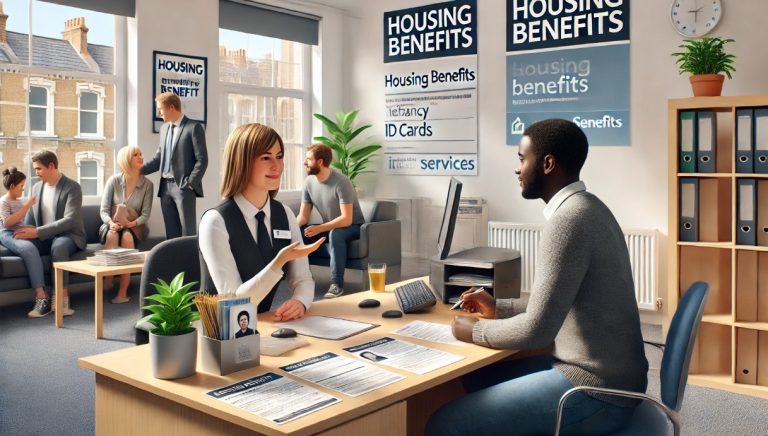
- For Housing Benefit contact your local council in England, Scotland, or Wales, or the NI Housing Executive in Northern Ireland.
- Provide Evidence:
- You will need to provide proof of your qualifying disability benefit and income-related benefit.
- Complete the Forms:
- After contacting the relevant office, you may be asked to fill out forms to confirm your eligibility for SDP.
- Check for Backdating:
- If you’ve been eligible for SDP but were not receiving it, your payment may be backdated to the date your eligibility began. This can result in a significant lump sum payment.
How Much Severe Disability Premium Will I Get?

The weekly rates for SDP are as follows:
| Category | Weekly Amount |
| Single person | £81.50 |
| Couple | £163.00 |
If someone receives Carer’s Allowance or other caregiving benefits for looking after one of you, the SDP will be paid at the single person rate.
Conclusion
The Severe Disability Premium (SDP) is a crucial financial lifeline for individuals with severe disabilities, ensuring they have the support they need to manage their daily living costs.
While the eligibility rules can be complex, understanding the key criteria such as the living alone rule, qualifying benefits, and exceptions is essential for accessing this vital support.
For couples, navigating SDP eligibility requires a clear understanding of both partners’ circumstances, including their disability benefits, living arrangements, and the involvement of carers.
With the correct information and guidance, many couples and individuals can maximise their entitlement, which may include substantial back payments if they’ve been missing out.
If you’re unsure about your eligibility or need help claiming SDP, it’s always a good idea to seek advice from organisations like Scope UK or Turn2Us.
Additionally, if you want to learn more about how Universal Credit affects your SDP claims or other benefits, visit Universal Credit News for comprehensive and up-to-date information.
By staying informed and seeking expert advice, you can ensure you’re receiving all the support you’re entitled to and improve your financial stability.
FAQs
What is the Severe Disability Premium?
The SDP is an extra payment added to certain income-related benefits for individuals with severe disabilities who live alone or qualify under specific exceptions.
How much is the Severe Disability Premium?
The single person rate is £81.50 per week, and the couple rate is £163.00 per week.
Can I qualify if I live with someone else?
Yes, you may qualify if you live with dependents, non-dependent adults, or carers who do not receive Carer’s Allowance.
What happens if I move to Universal Credit?
You cannot add SDP to Universal Credit, but you may receive transitional protection if you were receiving it previously.
How do I claim SDP?
Contact the DWP or your local council (for Housing Benefit) and provide evidence of your eligibility.