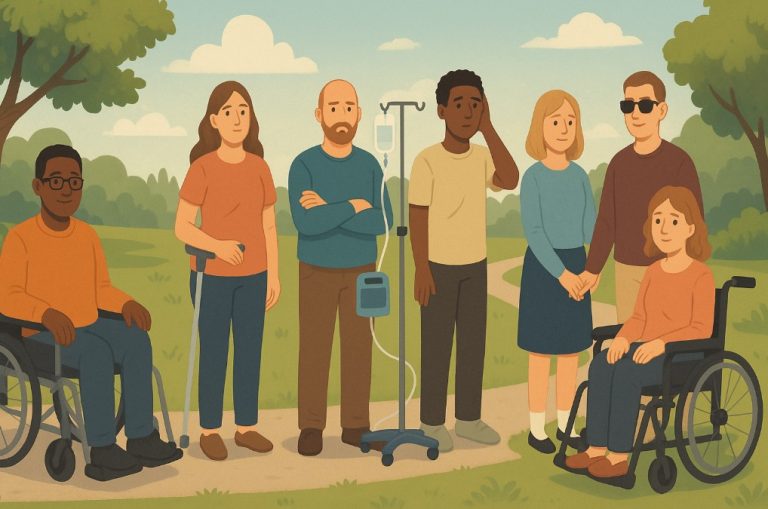

How Much is Enhanced Disability Premium ESA?
The Enhanced Disability Premium (ESA) is a critical financial support designed to help individuals with disabilities lead a more secure and independent life.
For those who qualify, this additional payment can make a significant difference. But how much is the Enhanced Disability Premium ESA in 2025, and who is eligible to claim it?
This guide explores everything you need to know, from current payment rates to eligibility criteria and application processes.
What is Enhanced Disability Premium (ESA)?

The Enhanced Disability Premium is an additional benefit paid to individuals receiving Employment and Support Allowance (ESA) or other qualifying benefits.
It provides extra financial help to those living with severe or long-term disabilities, ensuring they can manage essential living costs more effectively.
ESA, or Employment and Support Allowance, is a benefit that supports individuals who are unable to work due to illness or disability.
The Enhanced Disability Premium is one of the extra payments added to income-related ESA, offering further support to those with significant health challenges.
This premium is not a standalone benefit. Instead, it’s an additional payment added to existing benefits like Income Support or Housing Benefit for those who meet the criteria.
Eligibility for Enhanced Disability Premium ESA
To qualify for the Enhanced Disability Premium, claimants must meet specific criteria:
Eligibility for Income-Related ESA
- Enhanced Disability Premium is only available to individuals receiving income-related ESA, not contribution-based ESA.
Qualifying Disability
To qualify, you must be under the Pension Credit age and receiving one of the following benefits:
- Disability Living Allowance (DLA): Care component at the highest rate
- Personal Independence Payment (PIP): Daily living component at the enhanced rate
- Armed Forces Independence Payment (AFIP)
- Adult Disability Payment: Daily living component at the enhanced rate
Being in the ESA Support Group
- If you are placed in the support group for income-related ESA, you’ll automatically qualify for Enhanced Disability Premium.
Receiving the Disability Premium
- Claimants must already qualify for the basic disability premium or income-related ESA to be eligible for the enhanced premium.
Current Rates for Enhanced Disability Premium ESA in 2025
The Enhanced Disability Premium (EDP) is an additional financial payment designed to support individuals who face significant challenges due to a long-term disability or severe health condition.
The rates for the Enhanced Disability Premium in 2025 are structured to provide extra weekly payments to eligible claimants on top of their existing benefits.
Breakdown of Enhanced Disability Premium Rates for 2025
- For a single person: £20.85 per week
- For a couple: £29.75 per week (provided at least one partner meets the eligibility criteria)
These rates are paid in addition to the base payments of income-related Employment and Support Allowance (ESA) or other qualifying benefits.
For claimants who are part of a household with multiple eligible members, it’s important to note that each qualifying individual can receive their own Enhanced Disability Premium.
Why the Enhanced Disability Premium is Important?
The Enhanced Disability Premium helps address the additional costs often associated with managing a disability. This includes expenses related to healthcare, mobility, or daily living assistance.
For individuals and couples struggling to cover these costs, the additional weekly payment ensures they can maintain a basic standard of living without further financial strain.
How Does the Enhanced Disability Premium Work with ESA Payments?

The Enhanced Disability Premium is added to the core payments of ESA, including both the assessment rate (initial payments while claims are being processed) and the final payments after assessment.
The total ESA payment is determined based on the claimant’s age, circumstances, and group placement after assessment.
Here’s how the payments work:
- During the assessment phase (up to 13 weeks):
- Up to £71.70 per week for individuals under 25.
- Up to £90.50 per week for individuals aged 25 or older.
- After being assessed, claimants are placed into one of two groups:
Work-Related Activity Group
-
-
- Payment: Up to £90.50 per week.
- This group is for individuals who are deemed able to return to work in the future with some support.
-
Support Group
-
-
- Payment: Up to £138.20 per week.
- This group is for individuals who are unable to work due to severe health conditions or disabilities.
-
The Enhanced Disability Premium is then added on top of these amounts. For instance:
- A claimant in the support group could receive up to £158.05 per week (base payment of £138.20 + £20.85 for EDP).
- A couple in the support group could receive up to £168.95 per week (base payment + £29.75 for EDP).
By combining these rates, individuals and households can ensure they have the financial resources to cover their essential living costs.
ESA Rates in 2025

While Your Claim is Being Assessed
When you apply for ESA, you’ll usually receive the assessment rate for up to 13 weeks while your claim is being evaluated.
The assessment rate is:
- Up to £71.70 per week if you’re under 25.
- Up to £90.50 per week if you’re 25 or older.
If it takes longer than 13 weeks to assess your claim, you’ll continue receiving the assessment rate until a decision is made or until your ESA entitlement ends. Any money owed to you after this period will be backdated.
After You’re Assessed
Once your claim is assessed, you’ll be placed into one of two groups depending on your circumstances:
- Work-Related Activity Group: For individuals expected to return to work in the future, you’ll receive up to £90.50 per week.
- Support Group: For those with severe disabilities or health conditions that prevent them from working, you’ll receive up to £138.20 per week.
These rates form the foundation of ESA payments, with additional premiums such as the Enhanced Disability Premium providing further financial support for eligible claimants.
How to Claim Enhanced Disability Premium ESA?

Unlike some benefits that require a separate application, the Enhanced Disability Premium is automatically added to your payments if you qualify.
However, there are specific steps to ensure you are receiving this premium correctly, and claimants should stay informed about their entitlements.
Steps to Ensure You’re Receiving the Enhanced Disability Premium
Check Your Eligibility
To receive the Enhanced Disability Premium, you must already be claiming one of the following qualifying benefits:
- Income Support
- Jobseeker’s Allowance (JSA) (income-based)
- Employment and Support Allowance (ESA) (income-related only)
- Housing Benefit
In addition, you must meet one of the following criteria:
- Receive Personal Independence Payment (PIP) with the daily living component at the enhanced rate.
- Receive Disability Living Allowance (DLA) with the care component at the highest rate.
- Receive Adult Disability Payment with the daily living component at the enhanced rate.
- Receive the Armed Forces Independence Payment (AFIP).
- Be placed in the Support Group for income-related ESA.
If you are unsure about your eligibility, contact your local Jobcentre Plus or the Department for Work and Pensions (DWP) for clarification.
No Separate Application Needed
- There is no need to file a separate application for the Enhanced Disability Premium.
- If you meet the eligibility criteria, the premium will be automatically added to your existing payments.
- This ensures that claimants receive the support they are entitled to without additional bureaucratic hurdles.
Monitor Your Payments
- While the premium is automatically applied, errors can occasionally occur.
- If you believe you’re eligible but the Enhanced Disability Premium is not reflected in your payments, you should:
- Contact your local Jobcentre Plus.
- Provide documentation to confirm your eligibility (e.g., your PIP or DLA award letter).
Backdated Payments
- If there’s a delay in adding the Enhanced Disability Premium to your payments, any missed amounts will be backdated to the date you became eligible.
- This ensures you won’t miss out on the financial support you’re entitled to.
What to Do If You Face Issues With Your Claim?

If you encounter difficulties, such as delays or denials of eligibility, you can take the following steps:
Contact the DWP
- The first step is to call or write to the DWP to request a review of your case.
Mandatory Reconsideration
- If you disagree with a decision about your eligibility for ESA or the Enhanced Disability Premium, you can ask for a mandatory reconsideration.
- This process involves the DWP reviewing your case again with any additional evidence you provide.
Appeal to a Tribunal
- If you’re still dissatisfied with the outcome of the reconsideration, you can appeal to an independent tribunal for a final decision.
Why It’s Important to Contact the Jobcentre Plus?
Even though the Enhanced Disability Premium is added automatically, contacting your local Jobcentre Plus is essential if you notice any errors in your payments.
Jobcentre Plus representatives can help resolve payment issues, ensure that your premiums are correctly applied, and provide advice on other benefits you may qualify for.
Conclusion
The Enhanced Disability Premium ESA offers vital financial support to individuals with severe disabilities, providing an additional £20.85 per week for a single person or £29.75 per week for couples.
This premium, combined with the ESA rates and other benefits, ensures claimants can better manage their living costs while navigating the challenges of living with a disability.
If you believe you may be eligible, don’t hesitate to contact the DWP and start your claim. If there are issues with your claim, remember that mandatory reconsideration is available to challenge decisions.
Every extra bit of support can make a significant difference in improving your quality of life.
If you need more information, visit Universal Credit News for the latest updates and resources about benefits and entitlements.