
DWP PIP Assessment Audio Recording Rules in 2026: What Claimants Need to Know?
Last checked: 1 July 2026
Editorial Note:
This article explains the Department for Work and Pensions policy on audio recording Personal Independence Payment health assessments. Northern Ireland operates PIP through the Department for Communities, so claimants there should check the current guidance on nidirect.
This is informational, not financial/legal advice. Benefit decisions depend on individual circumstances, supporting evidence and the applicable rules. Anyone challenging a decision may wish to seek help from a qualified welfare-rights adviser.
Quick Answer: Are PIP Assessments Now Audio Recorded Automatically in 2026?
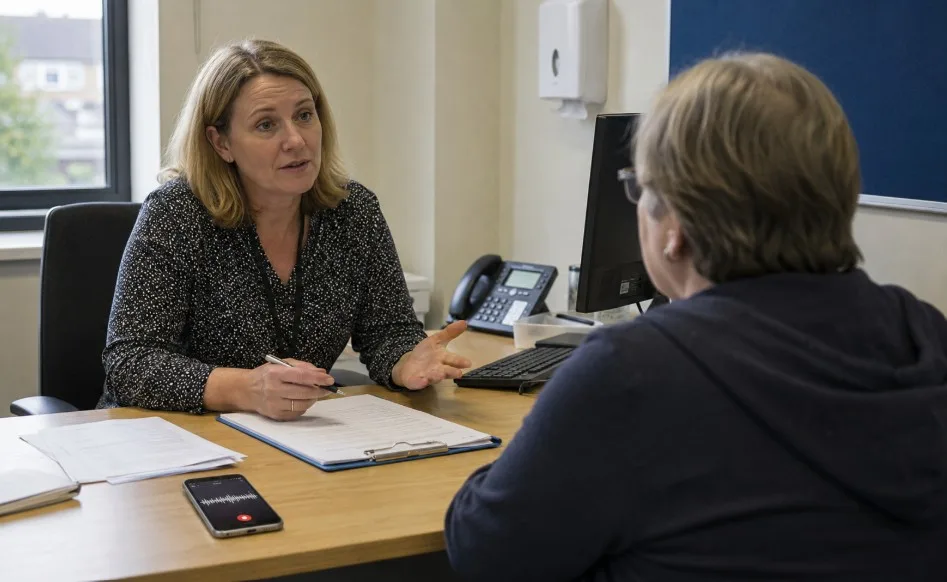
From 29 June 2026, DWP telephone and face-to-face PIP health assessments are audio recorded automatically unless the claimant opts out.
The rule covers telephone appointments and in-person assessments held at an assessment centre or in the claimant’s home. Video assessments are not currently recorded because the DWP says its systems have technical limitations.
Recording remains a choice. A claimant can opt out before the appointment or ask the health professional to stop recording during it. The official DWP audio-recording guidance states that opting out should not disadvantage the claimant, alter how the assessment is conducted or delay the processing of the claim.
The policy also covers telephone and face-to-face Work Capability Assessments for Universal Credit and Employment and Support Allowance, as well as Industrial Injuries Disablement Benefit assessments.
Key takeaways:
- Audio recording is now the default for most PIP assessments from 29 June 2026.
- Claimants can opt out at any time without affecting their claim.
- Telephone and in-person assessments are covered, but video assessments are not currently recorded.
- The same recording rules apply to several other DWP health assessments, including UC and ESA Work Capability Assessments.
What Changed Under the New DWP PIP Assessment Audio Recording Rules?
Previously, claimants generally had to request an audio recording. Although information about that option appeared in appointment communications and on provider websites, the DWP reported that fewer than 3% of claimants used it.
The 2026 change reverses that process. Recording is now the default for covered appointments, while claimants retain the right to refuse it.
The DWP says recordings will provide a more accurate account of what happened during an assessment and may be used to review assessment quality. Written assessment reports will, however, continue to form part of the evidence used in benefit decision-making.
This is an administrative and transparency change rather than a change to PIP entitlement. A recorded assessment does not make an award more or less likely by itself.
Which PIP Assessments Are Recorded and Which Are Not?
Whether an assessment is recorded depends mainly on how the appointment takes place and the specific format used.
Telephone and Face-to-Face Assessments Covered by the Policy
Telephone assessments are recorded automatically unless the claimant opts out. The same rule applies to in-person appointments at assessment centres and assessments held in a claimant’s home.
The recording captures audio only. It does not create a visual record of the claimant, their home or any physical examination.
Why Are Video PIP Assessments Not Currently Recorded?
Video assessments are currently excluded. The DWP says it cannot record them because of technical limitations, although work is under way to support audio recording during video appointments in the future.
A claimant who considers a recording particularly important should contact the Health Assessment Advisory Service before the appointment using the details in the appointment letter.
Assessment formats at a glance:
| Assessment format | Recorded automatically? | Can the claimant opt out? |
|---|---|---|
| Telephone assessment | Yes | Yes |
| Assessment centre | Yes | Yes |
| Assessment in the claimant’s home | Yes | Yes |
| Video assessment | No | Not applicable |
| Paper-based assessment | No live conversation | Not applicable |
Claimants should always check the appointment letter because it confirms the assessment format and provides the relevant contact details.
Can Claimants Opt Out Without Affecting Their PIP Claim?
Yes. Automatic recording does not mean compulsory recording. A claimant can contact the Health Assessment Advisory Service before the appointment and ask not to be recorded. They can also tell the health professional during the assessment that they want the recording stopped.
The DWP says an opted-out assessment will be conducted in the same way and that the decision should not affect the time taken to process the claim.
An opt-out applies only to the individual appointment. If the claimant has another health assessment in the future, they will need to opt out again.
It is therefore inaccurate to claim that refusing a recording will result in a failed assessment, reduced award or automatic delay. There is no such consequence in the published guidance.
How Can Claimants Request, Download and Keep Their PIP Recording?
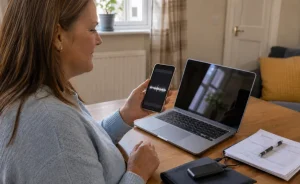
A claimant can ask for the recording during the assessment or afterwards by calling the number shown on the appointment letter.
When the file is ready, the claimant should receive a text message containing a secure download link. They will normally need a smartphone or another suitable device and their National Insurance number to access it.
Important download times:
- The secure link normally works for seven days after it is sent.
- After the first download, the file can be downloaded again only during the following 24 hours.
- If the link expires or fails, the claimant must request another one.
- A trusted friend or supporter may help with the download, but the link should not be shared widely.
Claimants who cannot use the digital process may submit a Right of Access request or write to the DWP requesting a copy. They can also explain any accessibility support they need.
Once downloaded, the file should be saved in a secure location. Claimants should avoid relying on a temporary downloads folder as the only copy.
How Does the DWP Use the Recording, and Can It Affect a PIP Decision?
The recording and the assessor’s written report are separate records. The audio captures the conversation, while the written report contains the health professional’s findings and advice.
The Written Assessment Report Remains Part of the Decision Process
The DWP decision-maker considers the assessment report alongside the claimant’s form and other available evidence. The health professional does not make the final entitlement decision and should not tell the claimant whether PIP will be awarded.
Will a DWP Decision-Maker Listen to the Recording?
The current official guidance states that decision-makers will not use recordings to make their decisions. That means claimants should not assume every answer will routinely be replayed during the initial decision process. The written report remains the assessment provider’s principal submission to the DWP.
Quality Reviews, Complaints and Disputed Assessments
A recording may be used where there is a dispute about how the assessment was conducted. The DWP also says recordings can support learning and identify potential improvements in assessment quality.
The audio may therefore help establish what was said, but it should not be treated as an automatic substitute for relevant functional and medical evidence.
Can a PIP Recording Help with a Mandatory Reconsideration or Appeal?

A recording may help when the claimant believes the written report does not accurately reflect the assessment. It does not, however, guarantee that a mandatory reconsideration or appeal will succeed.
A claimant could listen for a specific statement that was omitted, shortened or recorded differently in the written report. The strongest challenge will explain why that discrepancy matters to a particular PIP daily living or mobility activity.
Illustrative example:
A claimant explains that they can prepare food only when another person supervises them because pain, poor grip and fatigue create a safety risk. The written report says only that they can prepare a basic meal.
The audio could help demonstrate that the claimant described supervision, risk and variability. The challenge should then connect those facts to the relevant PIP activity and explain whether the task can be completed safely, repeatedly, to an acceptable standard and within a reasonable time.
The recording should support a focused evidence-based argument rather than a general accusation that the assessment was unfair. Individual outcomes will still depend on the full evidence and applicable PIP rules.
What Privacy, Sharing and Personal-Recording Rules Should Claimants Know?
PIP assessment recordings contain sensitive personal information and should be stored and shared carefully.
Can a Claimant Share or Publish the Audio File?
The DWP says the recording may be used only in connection with the benefit claim and must not be published or reproduced. It also reserves the right to act where a recording is altered and published for unlawful or malicious purposes.
A trusted adviser, representative or family member may help the claimant access or review the file, but posting it publicly could create privacy or legal problems.
DWP Retention, Deletion and Data Protection
The DWP normally retains a recording for 24 months before securely deleting it. It may keep the file longer where there is an ongoing dispute or another continuing reason connected with the claim.
Claimants may contact the DWP Data Protection Officer to request deletion, although any request will be considered alongside lawful retention requirements.
Can Claimants Make Their Own Recording?
The official PIP assessment guide for providers says a claimant may use personal audio equipment when the assessment provider is notified in advance. The provider must also record the consultation, and video recording is not permitted.
Using the recognised process is safer than relying on an undisclosed recording, particularly if the claimant may later need to refer to the audio in a complaint or challenge.
What Should Claimants Do Before and After a Recorded PIP Assessment?

A recording can preserve what was said, but good preparation remains important. The claimant should concentrate on describing how their condition affects the relevant activities rather than trying to give supposedly “perfect” answers.
Before the Assessment
- Check whether the appointment is by telephone, video or face to face.
- Decide whether to remain in the automatic recording process.
- Arrange for a companion, carer, advocate or appointee where helpful.
- Prepare recent examples of difficulties with daily living and mobility.
- Keep relevant supporting information nearby.
During the Assessment
- Answer honestly and avoid guessing.
- Explain help, prompting, supervision or aids that are needed.
- Describe variation between better and worse days.
- Correct misunderstandings when they arise.
- Ask for a copy of the recording.
After the Assessment
- Download and securely save the audio promptly.
- Request another link if the original link expires.
- Ask the DWP separately for the written assessment report.
- Compare the report with the audio if the decision is disputed.
- Seek welfare-rights advice where appropriate.
The PIP assessment guide confirms that claimants have a right to be accompanied. A companion may contribute relevant information, and their involvement should be documented in the assessment report.
Recording provides an additional safeguard and a more accurate account, but it does not replace clear evidence showing how the claimant’s condition affects their everyday functioning.
Conclusion
From 29 June 2026, automatic audio recording gives PIP claimants a clearer record of telephone and face-to-face assessments, while preserving the right to opt out.
The change may improve transparency, but it does not alter PIP eligibility rules or guarantee a particular decision. Claimants should check their appointment format, request and securely save the recording, and compare it with the written report if concerns arise.
Where a decision is disputed, independent welfare-rights advice can help identify the most relevant evidence.
Frequently Asked Questions
Can I secretly record a PIP assessment?
The provider guidance allows claimants to use their own audio equipment when they notify the assessment provider beforehand. Following that process is preferable to making an undisclosed recording because consent and storage arrangements are then clear.
What should a claimant avoid saying on a PIP telephone assessment?
There are no forbidden words or guaranteed answers. A claimant should avoid guessing, exaggerating or giving an unexplained “yes” when an activity can be completed only with assistance, pain, risk, prompting or substantial delay.
How can someone tell whether a PIP assessment went well?
The assessor’s manner, the length of the appointment and informal comments do not reliably predict the result. The final decision is made later by the DWP after considering the report and other evidence.
Does the claimant receive a written transcript?
The official process provides access to an audio recording. The current guidance does not state that every claimant will automatically receive a written transcript.
Can a family member speak during the assessment?
Yes. A companion may help the claimant answer questions and provide relevant evidence, although the consultation should remain focused mainly on the claimant.
What happens if the secure link expires?
The claimant should call the number on the appointment letter and request a replacement. People unable to use the digital service can request access through the DWP’s personal-information process.
Can a claimant request both the recording and the written report?
Yes. They are separate records. The recording can be requested through the assessment contact process, while the written report can be requested from the DWP.
How We Checked This?
This article was checked on 1 July 2026 against the DWP announcement dated 29 June 2026, the updated GOV.UK audio-recording guidance, the official PIP assessment-provider guide and current claimant-focused reporting.