
DWP Confirms Changes to PIP Eligibility, Payments, and Decision-Making Processes
The Department for Work and Pensions (DWP) has announced major reforms to the Personal Independence Payment (PIP) system as part of its Health Transformation Programme.
These changes aim to modernise health and disability benefits, making the system more efficient, transparent, and accessible for claimants.
The Minister for Social Security and Disabilities, Sir Stephen Timms, confirmed that the entire PIP service from finding out about benefits to decision-making, eligibility assessments, and payments will undergo a significant transformation.
The reforms are also tied to broader welfare changes being introduced by Secretary of State for Work and Pensions Liz Kendall, who has stressed the need to make the benefits system more sustainable and move more people off welfare and into employment.
But what exactly is changing, and how will it impact current and future PIP claimants? Let’s break it down.
What Is Personal Independence Payment (PIP) in the UK?

PIP is a disability benefit designed to support individuals with long-term physical or mental health conditions that affect their ability to perform everyday activities.
PIP consists of two main components:
- Daily Living Component: for those who need assistance with tasks such as cooking, dressing, and personal care.
- Mobility Component: for individuals who struggle with walking or getting around.
PIP replaced Disability Living Allowance (DLA) in 2013 and has since been criticised for long delays, inconsistent assessments, and frequent appeals.
The latest reforms seek to address these issues, making the system more reliable and fair.
How Has the DWP Changed PIP Eligibility Criteria?

The DWP has redefined PIP eligibility to ensure that only those with significant functional impairments receive support.
The changes aim to make the system more consistent and evidence-based, reducing the number of inaccurate or disputed decisions. Key Changes to Eligibility:
Greater Reliance on Medical Evidence
- Claimants must provide detailed reports from their GP, specialist, or consultant.
- Assessors will place more weight on medical records rather than self-reported symptoms.
- This aims to reduce fraudulent claims but may make it harder for some applicants to qualify.
Stronger Focus on Functional Limitations
- The assessment will no longer focus solely on diagnosed conditions.
- Instead, it will evaluate how a condition impacts daily living.
- This means some individuals with recognised disabilities may struggle to qualify if they do not meet the new functional criteria.
Digital-First Application Process
- The government is shifting towards an online-first approach to replace paper applications.
- While this may speed up processing, it could create barriers for elderly claimants or those without internet access.
Reduced Reassessments for Long-Term Conditions
- People with lifelong or progressive conditions will no longer be reassessed frequently.
- This aims to reduce stress and administrative burdens for individuals whose conditions are unlikely to improve.
These changes reflect the government’s attempt to target funding towards those with severe, long-term disabilities, but they may also exclude individuals who previously qualified.
What Updates Have Been Made to PIP Payments?

The DWP is reviewing the PIP payment structure to ensure that financial support is fairly distributed and sustainable for the long term. Key Changes to PIP Payments:
Potential Increases in Payment Rates
- Given the cost-of-living crisis, there is pressure to increase PIP rates.
- While no official figures have been confirmed, advocacy groups are pushing for higher payments to reflect inflation and rising expenses.
Stricter Rules on Mobility Payments
- The eligibility criteria for the enhanced mobility component may become more stringent.
- This could impact individuals who rely on Motability vehicles or additional transport support.
Faster Processing for New Claims
- The government is committed to reducing waiting times for PIP applications.
- This should ensure that those in urgent need receive financial support more quickly.
Backdated Payments for Appeals
- Previously, there were inconsistencies in how backdated payments were handled.
- The new system aims to make back payments fairer, ensuring that claimants receive compensation if a PIP decision is overturned.
While these updates aim to improve efficiency, some claimants fear potential reductions in financial support due to stricter eligibility checks.
How Has the DWP Revised Its Decision-Making Process for PIP?

One of the biggest criticisms of PIP has been the complex and often inconsistent decision-making process. Many claimants face long delays, incorrect decisions, and stressful appeals.
The DWP has now introduced key reforms to make the system more transparent and efficient. Key Changes to Decision-Making:
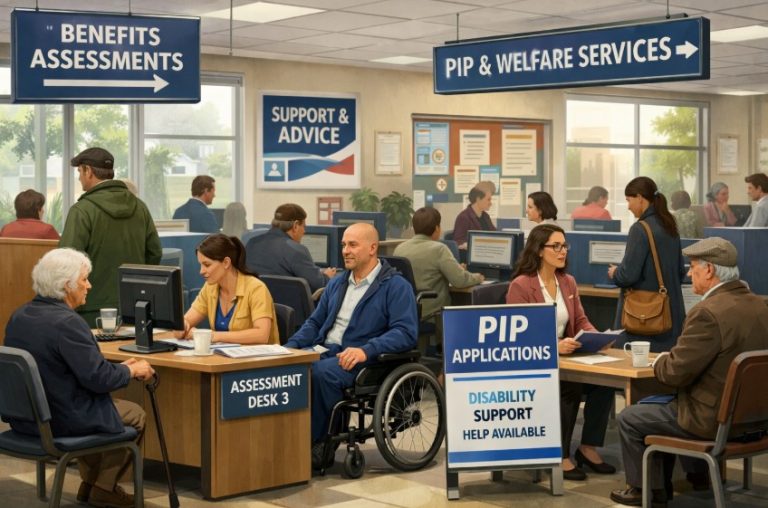
Increased Use of Remote Assessments
- More telephone and video consultations will be introduced.
- This will reduce the need for in-person assessments, particularly for those with mobility or mental health issues.
- However, some worry that remote assessments may not fully capture the challenges faced by claimants.
Improved Training for PIP Assessors
- Assessors will receive enhanced training on medical conditions and disabilities.
- This aims to reduce wrongful denials and minimise the number of appeals.
Greater Reliance on Medical Documentation
- The DWP will place more weight on GP and specialist reports to determine eligibility.
- This aims to reduce unnecessary reassessments and delays.
These reforms are designed to streamline the process and reduce errors, but concerns remain about whether remote assessments will be as effective as in-person evaluations.
How Will These Changes Affect PIP Claimants?

For Existing Claimants
- Fewer reassessments if they have long-term or progressive conditions.
- Possible adjustments to payment amounts, depending on new scoring criteria.
- Better communication with the DWP through digital channels.
For New Applicants
- Stronger medical evidence required to qualify.
- Faster decision-making process.
- More flexible assessments, with remote options available.
However, advocacy groups worry that stricter eligibility criteria could lead to more rejections.
What Is the PIP Consultation Process, and What Future Changes Are Expected?
The government has committed to consulting disabled individuals and advocacy groups before implementing further changes.
Key Consultation Plans:
- Stakeholder roundtables to gather feedback.
- Public discussions with disabled individuals.
- A Green Paper on Welfare Reform to be published in Spring 2024.
These discussions could lead to additional changes, particularly regarding eligibility and assessment processes.
How Can You Apply for PIP Under the New Rules?

The DWP is streamlining the PIP application process to reduce delays and improve efficiency.
Step-by-Step Guide to Applying for PIP Under the New Rules:
- Check Eligibility: Ensure that you meet the new functional assessment criteria.
- Gather Medical Evidence: Obtain detailed reports from your GP or specialist.
- Apply Online or via Phone: The DWP is transitioning to digital applications.
- Undergo an Assessment: This may be via video call, phone, or in-person.
- Receive a Decision: The DWP aims to speed up processing times.
For those disputing a decision, the appeals process remains available, and successful appeals will now receive fairer backdated payments.
Conclusion
The DWP’s changes to PIP are part of a broader welfare reform, focusing on modernising assessments, refining eligibility, and reviewing payments.
While these updates promise a more streamlined system, concerns remain over stricter eligibility rules and potential reductions in financial support.
Claimants should stay informed, participate in consultations, and seek support from advocacy groups if needed.
FAQs
What are the new PIP eligibility criteria in 2025?
The DWP now focuses on functional ability rather than diagnosis, requiring stronger medical evidence to support claims.
Will PIP payment amounts change under the new rules?
While no official increases have been confirmed, the DWP is reviewing payment structures to ensure fair distribution and sustainability.
How has the PIP assessment process been updated?
The DWP has introduced remote assessments, improved assessor training, and increased reliance on medical documentation to reduce errors and delays.
Will existing PIP claimants need to reapply?
Not necessarily, but some may be reassessed under the new eligibility rules, especially if their condition is subject to review.
How can I apply for PIP under the new system?
You can apply online or by phone, providing detailed medical evidence, and undergo an assessment (remote or in-person) before receiving a decision.