

How the DWP CMS GB 2012 Scheme Works and Who It Applies To?
The DWP CMS GB 2012 Scheme appears on many bank statements, often sparking confusion for those unfamiliar with the term.
Standing for the Department for Work and Pensions (DWP) and the Child Maintenance Service (CMS), this scheme represents a major reform in how child maintenance is calculated, paid, and enforced in Great Britain.
Launched in December 2012, this statutory scheme plays a critical role in supporting separated families and ensuring that children receive the financial support they are entitled to.
But how does it work? Who does it apply to? And what does it mean when it shows up on your bank records? Let’s explore the DWP CMS GB 2012 scheme in full detail.
What is the DWP CMS GB 2012 Scheme, and Why Was It Introduced?
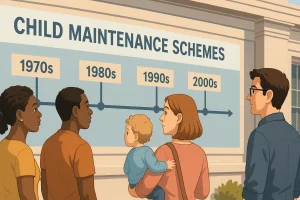
The CMS 2012 Scheme was introduced to replace the outdated Child Support Agency (CSA) systems from 1993 and 2003. Its primary aim is to support separated parents in providing financial contributions for their children in a more efficient, transparent, and digitally focused way.
Key reasons for introducing the scheme included:
- Encouraging family-based arrangements without government intervention
- Reducing reliance on state-run systems through digital self-service tools
- Improving accuracy in income assessments using real-time data from HMRC
- Implementing a fee-based structure to promote cooperation between parents
The CMS 2012 system supports both the Direct Pay and Collect and Pay services and is accessible across England, Scotland, and Wales.
Who Is Eligible for the CMS 2012 Scheme?
The CMS 2012 scheme is available to separated or divorced parents in Great Britain who need assistance managing financial support for their children.
To be eligible:
- One parent must live with the child (the receiving parent).
- The other parent (the paying parent) must live separately and have a legal duty to pay child maintenance.
- The child must be under 16, or under 20 and in approved education or training.
Before applying, parents are usually encouraged to consider family-based arrangements via the Child Maintenance Options service. If private agreements aren’t feasible or have broken down, then statutory services can be used.
How Are Payments Calculated Under the GB 2012 Scheme?
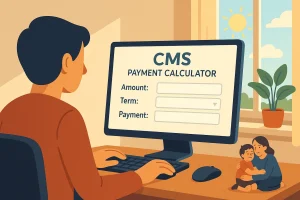
The CMS calculates child maintenance using a formula based on the paying parent’s gross annual income as provided by HMRC. The calculation considers:
- Number of children involved.
- Number of overnight stays the children have with the paying parent.
- Other children the paying parent supports in a separate household.
Standard Rate Brackets:
| Number of Children | Percentage of Gross Weekly Income |
|---|---|
| 1 child | 12% |
| 2 children | 16% |
| 3 or more | 19% |
These percentages apply to income between £200 and £3,000 per week. Adjustments are made for shared care and additional dependants.
Example Scenario:
If a parent earns £500 a week and pays for 2 children, the weekly payment would be:
£500 × 16% = £80
If the children stay with the paying parent one night a week, a reduction is applied.
This approach makes the system more consistent and less susceptible to manipulation than the previous CSA models, which relied on self-declared earnings.
What Is the Difference Between Direct Pay and Collect and Pay?
The CMS 2012 Scheme offers two service types based on the level of cooperation between parents:
1. Direct Pay
In this arrangement:
- The CMS calculates the maintenance amount.
- Parents handle the actual transfer of funds between themselves.
- There are no ongoing collection fees.
- Annual reviews are conducted by CMS to confirm accuracy.
This is suitable where parents can cooperate and manage payments reliably.
2. Collect and Pay
This is a more hands-on service by CMS, used when:
- The paying parent fails to pay or refuses to cooperate.
- CMS collects payments directly and transfers them to the receiving parent.
This service comes with additional fees:
| Fee Type | Paying Parent | Receiving Parent |
|---|---|---|
| Collection Fee | 20% added | 4% deducted |
| Application Fee (One-off) | £20 | £0 (for RPs) |
Note: Fee exemptions exist for domestic abuse victims and those under 19.
What Does “DWP CMS GB 2012 Scheme” on a Bank Statement Mean?
If you notice a transaction labelled “DWP CMS GB 2012 Scheme” on your bank statement, it indicates a child maintenance payment processed through the Child Maintenance Service under the 2012 scheme.
This label is used by the Department for Work and Pensions (DWP) to show that the money has been collected or distributed through the official Collect and Pay system.
For receiving parents, this appears as a payment arriving in their bank account. For paying parents, it may show as a deduction, particularly if CMS takes the money directly from wages or through automatic bank withdrawal.
This description helps both parents clearly identify child maintenance transactions, maintain accurate financial records, and resolve any disputes with CMS if needed.
What Happens If a Parent Fails to Pay?

The CMS has strong enforcement powers to deal with non-compliance. These can be used without requiring a court order in many cases.
Common Enforcement Actions:
- Deduction from Earnings Order (DEO): Money taken directly from wages.
- Deduction Order: Funds withdrawn from bank accounts, including joint or business accounts.
- Liability Orders: Allows seizure of assets or passport/driving licence suspension.
- Court Action: Can lead to property sale, imprisonment, or additional penalties.
In persistent cases, the CMS can escalate enforcement through courts, especially for long-standing arrears.
Are There Any Fees for Using the Service?
Yes, the 2012 CMS scheme includes several fees, depending on how parents use the service. The first cost is the £20 application fee, which is waived for applicants under 19 and for those who have experienced domestic abuse.
Parents who use the Collect and Pay system face additional charges: the paying parent is charged 20% on top of their maintenance amount, while the receiving parent has 4% deducted from every payment.
There are also enforcement fees if the CMS must take further action through the courts or enforcement agents.
In 2024, the government proposed removing the Direct Pay option and introducing a universal 2% fee for both parents under an improved Collect and Pay model, aiming to simplify the process and boost compliance.
How Does the CMS Handle Arrears and Compliance?

The CMS maintains a compliance system to monitor missed payments and pursue arrears. As of March 2021, £408.5 million in unpaid child maintenance was recorded under the 2012 scheme.
Arrears Breakdown:
| Year Originated | Amount Owed (2021) |
|---|---|
| 2013–2014 | £0.7 million |
| 2016–2017 | £31.6 million |
| 2020–2021 | £108.7 million |
CMS categorises arrears based on whether enforcement is underway, if the parent is paying regularly, or if surveillance is needed due to temporary financial hardship.
Collectability of Debt
Over 51% of the arrears were under enforcement, and nearly 40% were being actively collected. Only a small portion is deemed uncollectable, usually due to death, disability, or lack of means.
This robust enforcement strategy has improved the compliance rate to 72% as of 2021, the highest since the scheme began.
What Is the Future of the DWP CMS GB 2012 Scheme?
The future of the DWP CMS GB 2012 Scheme is shaped by ongoing reforms aimed at modernising the entire child maintenance system. The Department for Work and Pensions is prioritising better digital tools, allowing parents to manage cases more easily and reducing the need for manual intervention.
Automation and streamlined enforcement processes are expected to make assessments faster and more accurate, building on the current 99.4% accuracy rate. Simplifying fees and application steps may also encourage more parents to use the service.
Public consultations signal a potential move toward a unified model, where most parents are channelled through an enhanced version of Collect and Pay, creating a more consistent, transparent, and efficient experience for separated families.
Conclusion
The DWP CMS GB 2012 scheme represents a significant evolution in child maintenance enforcement in Great Britain.
By modernising the process, promoting family-led arrangements, and using automated tools to ensure accurate calculations, the scheme aims to put children first, financially and emotionally.
Whether you are a paying or receiving parent, understanding your rights and responsibilities under the 2012 scheme is critical.
Staying informed about payment options, enforcement powers, and available support will help ensure that children continue to receive the financial support they deserve.
For further guidance or to make an application, individuals can access the digital Child Maintenance Service portal or use the official Child Maintenance Calculator to estimate payments based on their circumstances.
Frequently Asked Questions
What does CMS stand for in the UK?
CMS stands for Child Maintenance Service, a UK government agency that manages statutory child maintenance cases.
What is the purpose of a CMS payment?
A CMS payment is a legally assessed financial contribution from a non-resident parent towards the upbringing of their child.
Why is “DWP CMS GB 2012 Scheme” showing on my bank statement?
This shows that a child maintenance payment was collected or received via the CMS’s official Collect and Pay service under the 2012 scheme.
Can CMS take money directly from my salary?
Yes. CMS can issue a Deduction from Earnings Order, instructing your employer to deduct payments automatically from your wages.
Is using the CMS mandatory after a separation?
No. Parents are encouraged to make private agreements first, but CMS is available if that fails or is not safe to do.
What if the paying parent is self-employed?
CMS uses HMRC records to calculate income and may apply enforcement if payments are missed or manipulated.
How do I check how much I should be paying?
Use the official Child Maintenance Calculator on GOV.UK to get an estimate based on income and circumstances.