DWP £299 Cost of Living Payment – What You Need to Know in 2025?
Was the £299 Cost of Living Payment just another government handout, or was it a lifeline during a critical time? Why, in mid-2025, is this one-off payment still widely discussed across the UK?
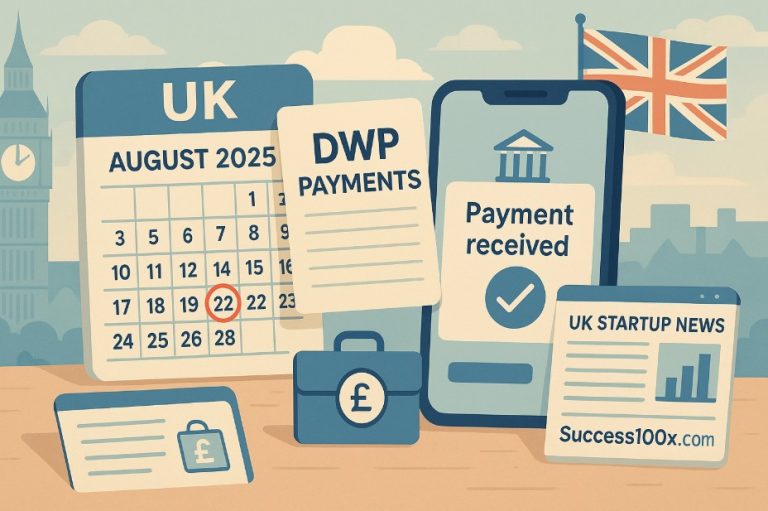
In February 2024, the UK Government delivered a £299 Cost of Living Payment to millions of low-income households.
It was the third and final instalment in a series of targeted financial aid payments designed to ease the burden of rising prices for essentials such as energy, food, and rent. This formed part of a £900 support package announced for the 2023–2024 fiscal year.
Now, with no further cost of living payments planned for 2025, and with inflation still affecting essential goods and services, the impact of this payment lingers.
Many still ask who was eligible, what happened if they didn’t receive it, and what support options remain today. This guide explores all of that and more in detail.
What Was the Purpose of the £299 Cost of Living Payment?
The £299 payment was not issued in isolation. It followed two earlier instalments of £301 in spring 2023 and £300 in autumn 2023, forming the complete £900 Cost of Living Payment scheme provided by the Department for Work and Pensions (DWP) and HMRC.
These payments were introduced as a response to the economic consequences of the pandemic, energy crisis, and global inflation pressures, which had pushed many UK households into financial hardship.
By the end of 2023, while inflation had started to decline slightly, energy bills, groceries, and housing costs were still substantially higher than pre-2021 levels.
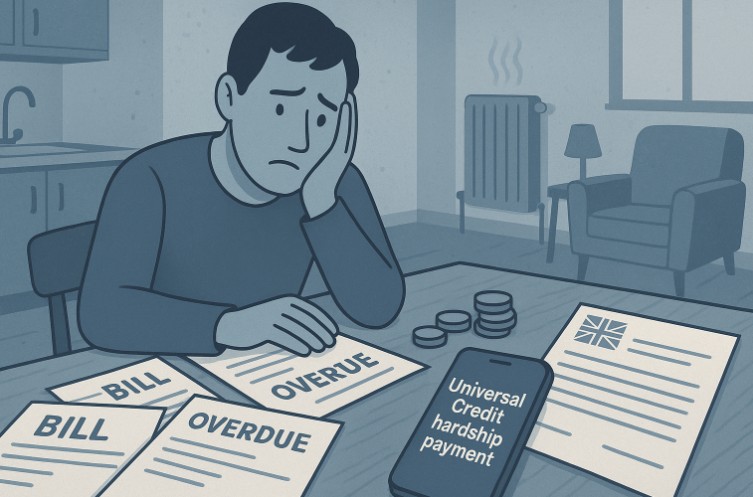
The £299 payment was timed specifically for winter 2023–24, when household heating and energy use traditionally peak. Its intention was to prevent vulnerable households from falling into arrears or having to choose between essentials.
Who Qualified for the £299 Cost of Living Payment?
Eligibility for the payment was based on receipt of specific means-tested benefits during a defined window. Individuals were eligible if they received one of the following benefits between 13 November and 12 December 2023:
- Universal Credit (unless reduced to a nil award)
- Income-based Jobseeker’s Allowance (JSA)
- Income-related Employment and Support Allowance (ESA)
- Income Support
- Pension Credit
- Working Tax Credit
- Child Tax Credit
If a claimant’s Universal Credit was reduced to £0 (nil award) during that period, they would not have received the payment. However, eligibility for this payment was not dependent on having received previous cost of living instalments.
A person who only became eligible during the third payment window could still qualify, even if they missed the earlier £301 or £300 payments.
In certain circumstances, those who had not yet applied for Pension Credit but were of state pension age during the qualifying period could backdate a claim and still receive the £299, provided they applied before 5 March 2024.
That deadline has now passed, but it remains worth checking eligibility for Pension Credit, as it can unlock an annual financial uplift of around £3,900 and other entitlements.
When Was the £299 Payment Issued and How Was It Delivered?
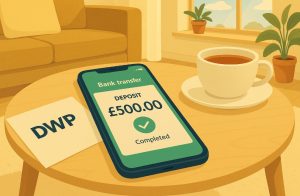
The payment was issued automatically by either the Department for Work and Pensions (DWP) or HM Revenue and Customs (HMRC), depending on the type of benefit claimed. No applications were required.
Here’s a breakdown of when payments were made and how they appeared in bank accounts:
| Benefit Type | Issuing Agency | Payment Period | Bank Reference Format |
| Universal Credit, ESA, JSA, etc. | DWP | 6 – 22 February 2024 | DWP COL + National Insurance Number |
| Tax Credits Only | HMRC | 16 – 22 February 2024 | HMRC COLS |
All payments were made by direct deposit into the bank account used for benefit payments. The bank reference was designed to help claimants recognise the incoming funds easily.
What If You Did Not Receive the £299 Payment?
Many individuals who believed they were eligible but did not receive the payment were able to report a missing payment via the official GOV.UK online portal that opened on 23 February 2024.
This service allowed users to provide their details and confirm their benefit status.
Information required included:
- Full name
- Date of birth
- Address
- National Insurance number
Most queries submitted via the portal received a response within two weeks.
However, by May 2025, the online portal was closed. If you still believe you are due the £299 payment:
- Use your Universal Credit online journal to report it
- Contact the relevant benefit helpline listed on GOV.UK
It is worth noting that missing earlier payments (such as the £301 from April–May 2023 or the £300 from autumn 2023) cannot be reported online and must be addressed via phone directly with DWP or HMRC.
What Government Support Remains in 2025?
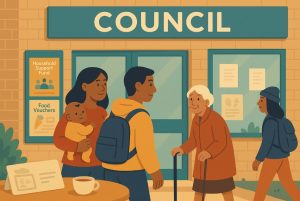
As confirmed by the Department for Work and Pensions in an update published on 6 May 2024, there are currently no plans to issue further Cost of Living Payments in 2025. This has led many households to turn toward local and alternative forms of support.
The most significant remaining national scheme is the Household Support Fund, which has been extended until March 2026 with a funding allocation of £742 million.
This scheme is administered by local councils and may offer:
- One-off cash grants
- Supermarket or utility vouchers
- Emergency support for food, clothing, or household goods
Support differs by location, so applicants should visit their local council’s website and search for “Household Support Fund” to check available resources and eligibility.
How Can You Check If You Received the £299 Payment?
The easiest way to verify receipt of the payment is to:
- Check your bank statement for a deposit labelled either DWP COL or HMRC COLS
- Log into your DWP benefits account (such as Universal Credit) and review your payment history
This confirmation method remains valid well into 2025. If no record appears and you suspect a mistake, contact DWP or HMRC directly. Avoid unofficial websites or third-party services claiming to verify this on your behalf.
Were There Other Cost of Living Payments Between 2022 and 2024?
Yes. The £299 payment was the last in a series of government-issued cost of living payments. Here is a comprehensive overview:
| Payment Type | Amount | Period Issued | Eligibility |
| Cost of Living 1 | £326 | July 2022 | Means-tested benefit claimants |
| Cost of Living 2 | £324 | November 2022 | Means-tested benefit claimants |
| Cost of Living 3 | £301 | April – May 2023 | Means-tested benefit claimants |
| Cost of Living 4 | £300 | October – November 2023 | Means-tested benefit claimants |
| Cost of Living 5 | £299 | February 2024 | Means-tested benefit claimants |
| Disability Cost of Living | £150 | June – July 2023 | Disability benefit recipients |
| Pensioner Cost of Living | £150–£300 | Winter 2023/24 | Pensioners (Winter Fuel top-up) |
These payments were non-taxable, not counted as income, and had no effect on benefit caps.
What Should You Know About Scams Related to Cost of Living Payments?
Since the launch of these schemes, there has been an increase in fraudulent messages targeting benefit recipients.
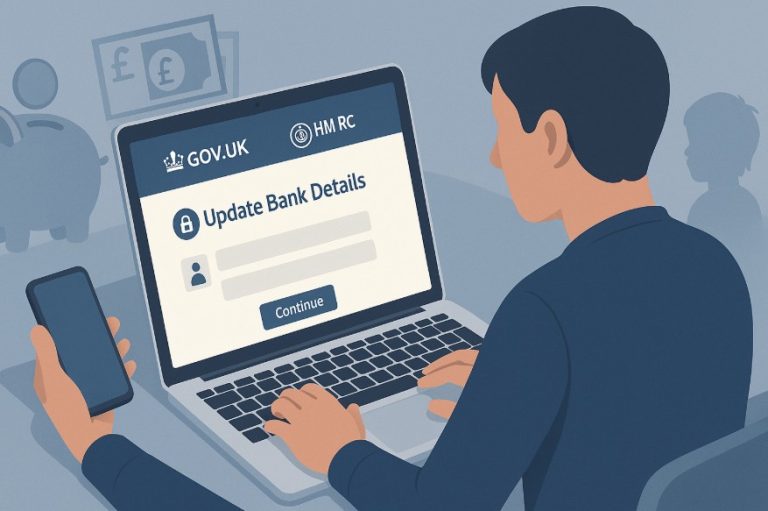
These scams often involve emails, texts, or phone calls falsely claiming that the recipient must “apply” or “verify details” to receive the payment.
Here’s what to remember:
- The DWP and HMRC never contact claimants by text or email asking for personal or banking details
- All payments were issued automatically to eligible recipients
- Scams can be reported via Action Fraud or directly on GOV.UK
Be cautious of any communication suggesting urgency or offering early access to benefits. Also, remember that receiving the payment when not eligible may result in repayment demands.
What Does the £299 Payment Represent for Households in 2025?

Though officially described as a one-off payment, the £299 instalment continues to influence budgeting decisions for many households in 2025. With the absence of future payments, low-income families must now rely on:
- Accurate benefit assessments
- Local government schemes like the Household Support Fund
- Financial advice services such as Citizens Advice
Tools like benefits calculators, Pension Credit eligibility checkers, and council grant applications have become essential resources.
Conclusion: Was the £299 Payment Enough, and What Comes Next?
While the £299 Cost of Living Payment provided much-needed relief during a difficult economic period, it was not a permanent solution, and there are currently no confirmed plans for further payments in 2025.
As the cost of essentials remains high, the focus has shifted toward local support schemes and individual action. Households are urged to stay informed, regularly check eligibility for benefits, and access local help through councils or charities.
In the absence of new national payments, knowing how to tap into existing resources is now more crucial than ever.
Frequently Asked Questions
How do I know if I was eligible for the £299 payment?
You were eligible if you received certain means-tested benefits during the qualifying period (13 November – 12 December 2023). Eligibility was not dependent on prior payments.
Can I still report a missing £299 payment?
The online portal is closed as of May 2025. You can contact your benefit provider via phone or your Universal Credit journal if you believe you are still owed payment.
Will there be another Cost of Living Payment in 2025?
No. The DWP confirmed in May 2024 that no additional cost of living payments are planned for 2025.
How can I access help now that the payment scheme is over?
Check your local council’s Household Support Fund page and use a benefits calculator to review any missed entitlements.
Does this payment count towards the benefit cap or taxes?
No. The £299 payment is not taxable and does not count towards the benefit cap.
Can I get Pension Credit now and still qualify for back payments?
No. The backdating window for the £299 payment closed in March 2024. However, Pension Credit remains available and can unlock additional support.
What should I do if I get a suspicious message about the payment?
Ignore and report it. Never share personal information. Verify details only through GOV.UK or official DWP channels.
READ MORE: