Millions of People to Benefit From Healthcare on Doorstep | Can It Really Transform Access to Care?
Millions across the UK are set to experience a healthcare revolution with services delivered directly to their neighbourhoods. A new government-backed initiative is shifting NHS care from hospitals into local communities.
Designed to address health inequalities and reduce pressure on GP practices, the rollout begins in 43 areas with £10 million in funding.
By placing care within reach for underserved populations, particularly in working-class regions, this programme aims to ensure no one is left behind. But can this transformation truly meet the nation’s evolving healthcare needs?
What Is the Government’s New Neighbourhood Health Service?
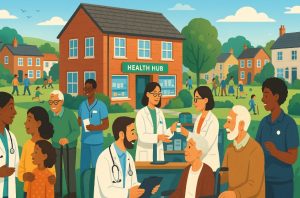
The Neighbourhood Health Service is a major step in decentralising NHS care by bringing healthcare closer to communities. It aims to make services more accessible and personalised through multidisciplinary teams working with local providers.
Each area will have a programme lead coordinating care across GPs, nurses, social care staff, pharmacists, optometrists, and mental health professionals.
The initial focus will be on supporting people with long-term conditions, helping reduce unnecessary hospital admissions and improving everyday health outcomes.
By embedding care within neighbourhoods, the service represents a proactive, inclusive, and future-focused NHS designed to meet local needs effectively.
How Does It Differ from Traditional NHS Services?
Unlike the conventional model that centres around hospital-based care and GP surgeries, the neighbourhood health model delivers care in the community.
- It forms integrated teams that include hospital doctors, paramedics, dentists, and voluntary sector workers.
- Care is managed proactively instead of reactively, using technology like the NHS App for monitoring.
- Services will focus on preventive healthcare, targeting root causes such as housing and lifestyle.
Traditional NHS services often involve fragmented appointments across various locations. In contrast, this model provides joined-up support in one coordinated setting, reducing duplication and patient confusion.
Can This Programme Really Tackle the UK’s Stark Health Inequalities?
One of the core aims of the Neighbourhood Health Service is to close the gap in health outcomes between wealthy and deprived communities.
The first wave targets areas with the lowest life expectancy and the longest waiting times, aiming to bring early diagnosis, regular care, and wraparound support to those who need it most.
These underserved communities often face barriers like transportation, poor housing, and unemployment, all of which exacerbate health problems.
By placing services where people live, the programme directly challenges structural inequalities, allowing healthcare to reach those historically left behind.
Is Doorstep Healthcare Improving Primary Care Access in the UK?
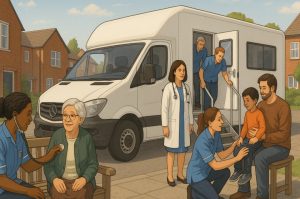
Early data from community health initiatives indicates that localised healthcare models can significantly ease pressure on GP surgeries and hospitals.
By managing long-term conditions at home and offering preventative services, these neighbourhood teams help patients avoid unnecessary visits to A&E or emergency GP appointments.
- A London trial saw a 10% drop in hospital admissions.
- Cornwall’s pilot resulted in 47% higher vaccination rates.
- NHS checks and cancer screenings increased by 82%.
These figures show clear improvements in accessibility, timeliness, and outcomes. Patients are not only receiving care, they’re receiving it before conditions escalate.
What Role Do Integrated Care Systems Play in This New Model?
Integrated Care Systems (ICS) are the backbone of the new neighbourhood care model. They bring together NHS organisations, local authorities, and voluntary sectors to plan services collaboratively.
ICSs enable resource sharing, shared decision-making, and tailored service design at a local level. Their role is to ensure that care is not duplicated, referrals are smooth, and patients are guided through the health system seamlessly.
These partnerships strengthen the connection between health and social care, enabling holistic treatment that goes beyond medical conditions to address social and environmental factors.
How Do Local Authorities and the NHS Collaborate for Doorstep Care?
Local authorities play a crucial role by aligning community services with healthcare priorities. Together with the NHS, they co-design neighbourhood services based on population needs.
Key collaboration points include:
- Co-location of services in community hubs or day centres
- Data sharing to monitor population health trends
- Joint workforce training for integrated care teams
- Housing and social support interventions
This collaboration ensures care is not only medical but addresses housing instability, food insecurity, and other social determinants of health, creating a stronger, community-first care ecosystem.
Are These Services Consistent Across All UK Regions?
While the overarching goals and structure are consistent, each region tailors its services based on local needs, challenges, and resources.
This ensures relevance but also means variability in service delivery. Consistency in quality is being monitored through regular reviews and national support. Pilot results will guide future national expansion and standardisation.
Which Regions Are Included in the First Rollout?
The first wave includes 43 regions strategically selected to reflect a diverse mix of urban and rural challenges. These areas will test different service models and provide data for future expansion.
| Region Type | Examples |
| Urban Areas | East Birmingham, Hillingdon, Lambeth and Southwark |
| Rural/Coastal | Cornwall and The Isles of Scilly, East Sussex (Hastings and Rother), Herefordshire |
| Mixed Socioeconomic | Stockport, Coventry, East Berkshire and Slough |
| Deprivation Hotspots | Rotherham, Doncaster, Blackburn and Darwen |
These sites were chosen based on need, infrastructure readiness, and existing partnerships, ensuring a representative start to the programme.
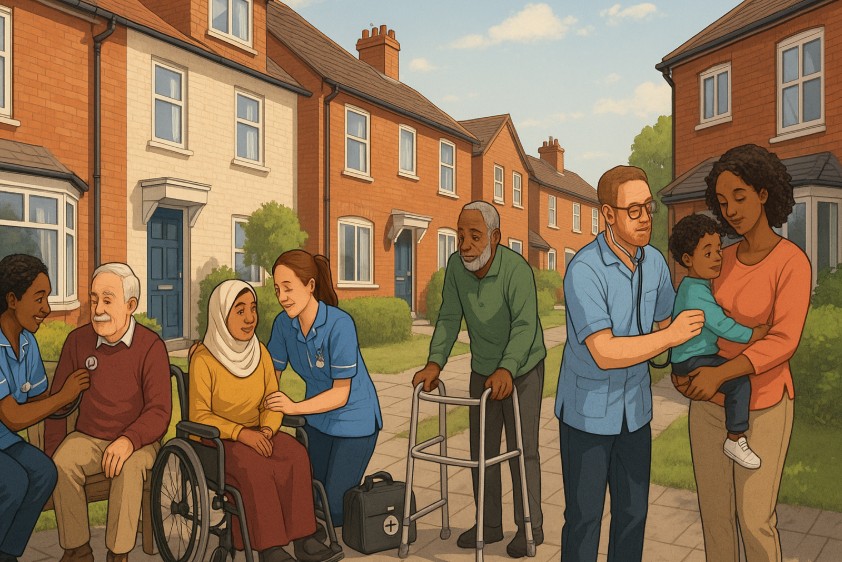
How Does In-Home Medical Support Impact the Most Vulnerable Groups?
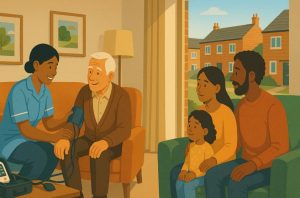
The shift to in-home and local care especially benefits individuals who struggle to access traditional healthcare facilities.
Vulnerable groups impacted include:
- Elderly individuals with mobility issues
- People with chronic illnesses like COPD or diabetes
- Families in unstable housing or poverty
- Those facing mental health challenges
Impact areas:
- Reduces hospital readmissions
- Offers immediate intervention, such as IV antibiotics at local centres
- Addresses root causes, e.g., linking patients to housing support
- Provides consistent monitoring through digital tools
Neighbourhood care replaces crisis-based care with planned, compassionate, and humanised support where it’s needed most.
Will Doorstep Healthcare Services Replace Traditional GP Visits?
The new model does not replace GPs, it enhances their role by supporting them through extended neighbourhood teams. GPs remain the cornerstone of patient care but are now backed by specialists, social prescribers, and health coaches.
With these resources, they can offer same-day appointments, streamline referrals, and coordinate long-term care more effectively.
The 2026 contracts allow GPs to operate in broader areas, serving up to 250,000 people under multi-neighbourhood models. Rather than replacing GPs, the model empowers them to do more for more people, with better support.
Is £10 Million Enough to Deliver Sustainable Transformation Nationwide?
The initial £10 million funding is focused on establishing and testing models across 43 sites. While significant for a pilot phase, long-term transformation will require ongoing investment in staffing, infrastructure, and digital systems.
Stakeholders have expressed that continued funding will be essential for scaling the programme nationwide. However, this first phase is critical, it sets the foundation, identifies best practices, and ensures future funding is spent efficiently.
The goal is not just to launch a new service but to create a sustainable framework for future healthcare delivery.
How Can the Public Access the New NHS Neighbourhood Teams?
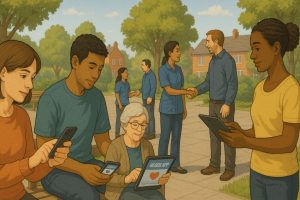
Public access to these services will become more visible as the programme grows. Each area’s neighbourhood team will be connected to local GP practices and use digital tools to maintain communication and care.
Ways the public can access services:
- Through their registered GP practice, which coordinates referrals
- Via the NHS App for updates, booking, and symptom tracking
- Community health centres for walk-ins and consultations
- Outreach teams visiting homes for specific conditions or vulnerabilities
- Social prescribers to help with lifestyle and environmental factors
Patients will begin to see these services introduced in their communities, starting with those in high-priority areas.
Conclusion
The Neighbourhood Health Service marks a pivotal shift in how care is delivered in the UK. By moving services closer to those who need them and breaking down traditional healthcare barriers, the programme has the potential to reshape the NHS for a healthier, more equitable future.
The integration of health and social care, emphasis on prevention, and community collaboration point toward a system that is not only more efficient but more humane.
If scaled effectively, this model may well become the gold standard for delivering care in the 21st century.
Frequently Asked Questions
How does the Plan for Change align with the 10-Year Health Plan?
It builds on best practices from the 10-Year Health Plan, expanding local care models that reduce hospital admissions and improve community services.
What role do VCSE (Voluntary, Community and Social Enterprise) organisations play in neighbourhood health?
They tailor care to local needs, offering housing support, mental health resources, and social prescribing alongside medical services.
How does this initiative impact mental health services?
Neighbourhood teams include mental health specialists to provide early support and reduce emergency interventions.
Are diagnostics and outpatient services included in doorstep care?
Yes, it covers diagnostics, outpatient follow-ups, and post-op support in the community to ease hospital demand.
How do the new contracts from 2026 empower GPs?
GPs can lead neighbourhood services through larger contracts, reaching up to 250,000 people with local teams.
How will success be measured beyond clinical outcomes?
Success will be judged by patient experience, community feedback, and local impact, not just hospital metrics.
Will these changes reduce pressure on emergency and urgent care services?
Yes, by offering preventive local care, it aims to cut A&E admissions and unplanned GP visits.
Read Next: