
DWP New 13 Week Rule Explained: What UK Claimants Need to Know?
What exactly is the new 13-week rule? Why is it generating concern among Universal Credit and Personal Independence Payment (PIP) claimants? The Department for Work and Pensions (DWP), under the Labour Government, has unveiled a broad package of reforms intended to modernise and streamline the welfare system.
At the centre of these changes is the Universal Credit and Personal Independence Payment Bill, which introduces stricter criteria, new assessment processes, and reduced benefits for certain claimant …
The 13-week rule introduces a structured grace period to support individuals affected by these changes. During this period, claimants whose circumstances or eligibility are altered due to the reforms will continue receiving financial support before new rules take full effect. The government claims this approach offers fairness, time to adapt, and aligns with a more sustainable long-term welfare strategy.
How Will Universal Credit and PIP Claimants Be Affected?

This rule represents a significant procedural shift. If a claimant reports a health condition, they are now expected to complete the Work Capability Assessment (WCA) within 13 weeks. Medical evidence must be submitted, assessments attended, and decisions finalised, all within this timeframe.
For PIP claimants, the reforms bring even more substantial changes. To qualify for the daily living component under the new system, an individual must now score at least four points on one specific daily activity (like dressing, managing treatments, or preparing meals). This contrasts with the previous cumulative system that took a broader range of activities into account.
The new eligibility criteria are designed to streamline applications but have raised concerns about fairness for individuals with complex yet low-scoring conditions.
What Changes Are Being Introduced in the Universal Credit and PIP Bill?
The legislation brings multiple reform points to both Universal Credit and PIP, including:
- New Assessment Requirements: The PIP scoring system now requires a minimum of four points on one daily living task.
- Health Top-Up Cuts: For new Universal Credit claims, the health element is reduced from £97 to £50 per week.
- Right to Try Guarantee: Claimants who attempt to return to work will not face immediate reassessment or risk losing their entitlements.
- Reassessment Exemptions: Individuals with severe or lifelong disabilities will no longer be subject to routine reassessment.
| Reform Area | Previous Policy | New Policy (2025 Onward) |
| PIP Daily Living Eligibility | Based on cumulative scores across tasks | Must score 4+ on a single task |
| UC Health Top-Up | £97/week for all health-eligible claimants | £50/week for new claims (existing stay at £97) |
| Reassessments | Regular, even for severe conditions | Removed for lifelong/severe conditions |
| Transitional Support | Four-week protection (e.g., DLA to PIP) | Thirteen-week grace period |
Why Has the Government Decided to Overhaul the Welfare System?

The government attributes these reforms to a dramatic increase in benefit claims and rising costs. Since the pandemic, the number of individuals awarded PIP monthly has surged from around 13,000 to more than 34,000. A significant portion of this increase has been attributed to mental health conditions like anxiety and depression, which now account for over 8,200 new PIP awards each month.
This sharp rise in demand has pushed working-age disability spending up by £20 billion since 2020, with total projections reaching £70 billion per year by the end of the current parliamentary term. The government contends that such levels of expenditure are unsustainable, necessitating a system that protects the most vulnerable while encouraging those with capacity to work.
What Is the Purpose of the 13 Week Grace Period?
The 13-week rule is not just an administrative timeline, it acts as a safety net. Individuals who are re-evaluated under new criteria and subsequently lose their PIP, Carer’s Allowance, or Universal Credit health element will continue receiving their current benefits for an additional 13 weeks.
This transition period offers time for claimants to adjust to the financial impact, apply for work or training support, or challenge decisions if necessary. The government describes this protection as “one of the most generous transitional measures ever introduced”, significantly longer than the four-week buffer used during the DLA to PIP migration.
How Will Young People and Carers Be Affected by the Reforms?
In addition to changes impacting disabled individuals, the new Bill also affects carers and young people. There are proposals to delay access to Universal Credit’s health component until the age of 22, a move that has drawn criticism from disability and youth support groups.
This delay is part of a strategy to shift young claimants toward participation in education, training, or employment, primarily through schemes like the Youth Guarantee.
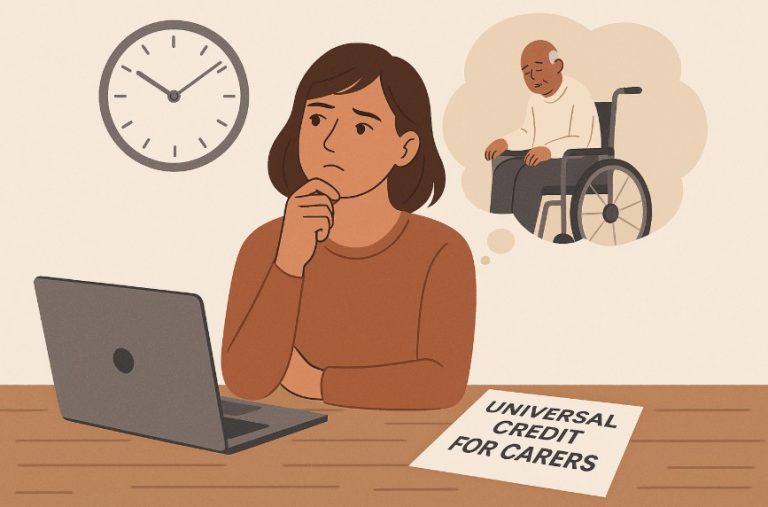
Furthermore, changes to eligibility for Carer’s Allowance and the carer’s element of Universal Credit will remove support for some individuals, particularly if the person they care for no longer qualifies under the new rules.
What Practical Steps Should Claimants Take Now?

Navigating this period of reform will require awareness and timely action. Claimants should:
- Submit fit notes as soon as they report a health condition.
- Prepare for the WCA and provide medical evidence within the 13-week timeframe.
- Monitor updates in their Universal Credit journal or notifications from DWP.
Support services like Citizens Advice, Jobcentre Pathways to Work advisers, and local welfare rights groups can help claimants interpret the changes, prepare for assessments, and identify additional benefits or employment opportunities.
What Are the Risks of Missing the 13 Week Deadline?
Failure to act within the 13-week period can lead to serious consequences. Delayed or missed assessments may result in lost payments, claim suspension, or denial of eligibility. While the DWP may allow extensions in exceptional cases such as hospitalisation, these must be formally supported with evidence.
Claimants are strongly urged to maintain regular communication with their work coach and ensure they meet all deadlines for evidence submission and attendance.
| Risk | Consequence |
| Missed WCA or appointments | Claim suspension or denial |
| Incomplete medical evidence | Reduced or removed support |
| Failure to respond to DWP | Loss of grace period protection |
How Do These Reforms Compare to the Previous System?

The 2025 changes represent a more targeted and time-sensitive approach to disability and income support. Where the previous model allowed broader interpretations of need and ongoing support, the new system is designed to be more efficient, stricter, and focused on employment outcomes.
| Feature | Old System | New System (2025) |
| PIP Eligibility | Cumulative low scores accepted | Must score 4+ on one task |
| UC Health Top-Up | Flat rate for eligible claimants | Lower for new claims |
| Grace Period | Up to 4 weeks | Extended to 13 weeks |
| Reassessment Frequency | Regular | Reduced for severe cases |
Frequently Asked Questions
What is the purpose of the DWP 13 week rule?
It ensures timely assessments and provides a financial buffer for those affected by changes in benefit eligibility.
How will the new scoring system affect PIP claimants?
Claimants now need to score four or more points on a single daily living task, reducing eligibility for those with milder conditions.
Will current Universal Credit recipients be impacted by the £50 health top-up?
No. The reduced rate applies only to new claimants from April 2025 onwards.
What support exists for those losing eligibility?
The 13-week grace period gives time to transition to job support services or alternative benefits. Advisers are also available at Jobcentres.
Is anyone exempt from reassessment under the new rules?
Yes. People with severe, lifelong disabilities will not face routine reassessments and will retain their higher benefit rates.
What happens if someone cannot attend their WCA within 13 weeks?
They must notify the DWP immediately. Exceptions may apply for hospital stays or serious illness, with proper documentation.
What is the Right to Try Guarantee?
It assures claimants that returning to work voluntarily won’t automatically trigger a reassessment or loss of benefits.
READ MORE:
- When Will PIP Changes Come Into Effect 2025?
- DWP £299 Cost of Living Payment – What You Need to Know in 2025?
- Does PIP Change of Circumstances Mean Another Assessment?
- How Much Is a Funeral Grant from DWP?
- Who Gets the £780 DWP Payment?