Do You Have to Pay Council Tax if You’re on Benefits in UK?
Understanding council tax obligations while receiving benefits in the UK can be confusing. Many assume that being on state support means automatic exemption, but this is not the case.
While benefits like Universal Credit, Income Support, or Jobseeker’s Allowance may make you eligible for a reduction, council tax must still be addressed. With local councils operating different schemes and rules, it’s crucial to know your rights, apply correctly, and avoid unnecessary penalties.
This guide explains whether you have to pay council tax if you’re on benefits, what support is available, and how to manage your bill responsibly and legally.
Why Is Council Tax Charged Even If You’re Claiming State Benefits?
Council tax is a standard charge levied by local authorities across the UK to help fund essential public services such as waste collection, libraries, emergency services, schools, and social care. Every household is expected to contribute towards this cost, regardless of income, employment status, or benefit entitlement.
The system is designed to be inclusive, ensuring that all residents support the community services they use. However, it also incorporates mechanisms to reduce the financial burden on low-income individuals and households, including those receiving state benefits.
These mechanisms include Council Tax Reduction (CTR) schemes, discounts, and, in some cases, exemptions.
Understanding how your benefits interact with council tax is essential to avoid overpaying or falling into debt due to misunderstandings about your obligations.
What Types of Benefits Can Affect Your Council Tax Payments?
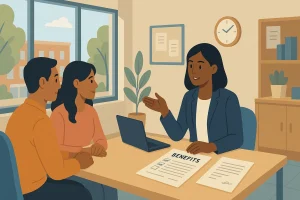
Receiving benefits does not automatically mean you don’t have to pay council tax, but it can entitle you to support through various reduction schemes. The key is knowing which benefits make you eligible and how they influence the amount you may have to pay.
Common Benefits That May Qualify for Council Tax Reduction:
- Universal Credit
- Income Support
- Income-based Jobseeker’s Allowance (JSA)
- Income-related Employment and Support Allowance (ESA)
- Carer’s Allowance
- Guarantee Credit (part of Pension Credit)
- Working Tax Credit / Child Tax Credit
- Housing Benefit (although this doesn’t cover council tax)
While some benefits, such as Disability Living Allowance (DLA) or Personal Independence Payment (PIP), don’t directly reduce council tax, they can make you eligible for additional discounts or exemptions when assessed alongside other factors like income, savings, and household composition.
Do You Have to Pay Council Tax if You’re on Benefits in UK?
Whether you must pay council tax while on benefits depends on several variables: your local council’s scheme, the type of benefits you receive, your total household income, and who else lives with you.
There is no automatic exemption, but in many cases, you can get a partial or full reduction through Council Tax Reduction (CTR).
CTR is a locally administered scheme, meaning the rules, eligibility, and the level of reduction vary depending on your local authority.
Some councils offer up to 100% support for those in severe financial hardship or in protected groups, while others might expect a minimum contribution from most working-age benefit claimants.
Importantly, even if you are entitled to CTR, you must apply separately for it , it is not automatically included when you apply for Universal Credit or any other benefit.
How Does Council Tax Reduction (CTR) Work for Benefit Claimants?
Council Tax Reduction is the main scheme used by councils to assist people on low incomes or benefits with their council tax bills. It is not a single national programme but is implemented differently by each local authority.
Key Factors That Determine CTR Entitlement:
- Income: Both the type and amount of income (including benefits) affect your entitlement.
- Savings/Capital: Typically, having more than £16,000 in savings disqualifies you from CTR unless you receive Guarantee Credit.
- Household Composition: The number and type of people living in the property, children, non-dependent adults, or disabled persons, influence calculations.
- Council Policy: Each council has discretion to design its own scheme, particularly for working-age individuals.
Some councils offer higher reductions to “protected” groups, such as those with disabilities or carers. Pensioners usually receive more generous treatment due to national guidelines that apply to them.
Example Council Tax Reduction Entitlement Based on Household Type:
| Household Type | Benefits Claimed | Approximate CTR Support |
|---|---|---|
| Single adult on Universal Credit | Universal Credit (low income) | Up to 85% |
| Couple with children on Income Support | Income Support + Child Benefit | Up to 100% |
| Pensioner receiving Guarantee Credit | Pension Credit (GC) | Up to 100% |
| Working-age claimant with savings (£10K) | Universal Credit + savings | Not eligible (varies) |
Are You Automatically Exempt from Council Tax if You’re on Benefits?
A common misconception is that being on benefits exempts you from paying council tax altogether. This is not the case.
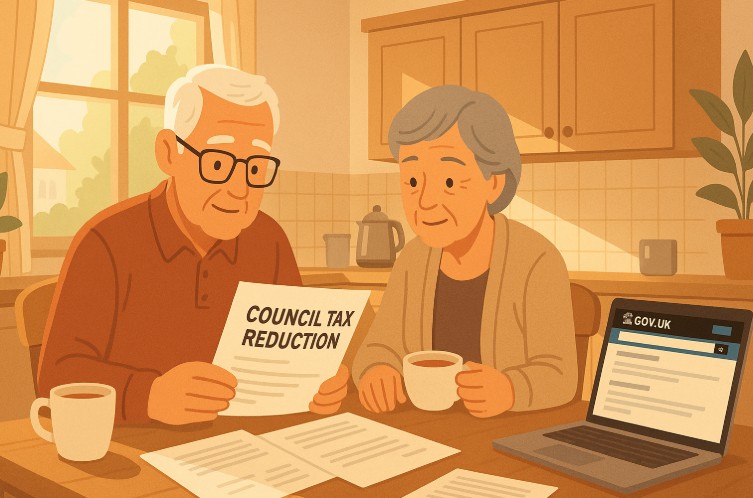
No benefit in the UK includes automatic exemption from council tax. You must apply for Council Tax Reduction through your local council even if you’re already receiving Universal Credit, Income Support, or any other state benefit.
Your application will be assessed based on your current financial situation, not merely your benefit status. Failing to apply could result in being charged the full council tax amount, even if you are technically eligible for a reduction.
Do People Receiving Personal Independence Payment (PIP) Have to Pay Council Tax?

Personal Independence Payment (PIP) is a non-means-tested benefit provided to people with long-term health conditions or disabilities.
While PIP alone does not automatically exempt someone from council tax, it can qualify the recipient, or their household, for additional discounts or exemptions, particularly under the disability-related reductions.
PIP and Disability Band Reduction
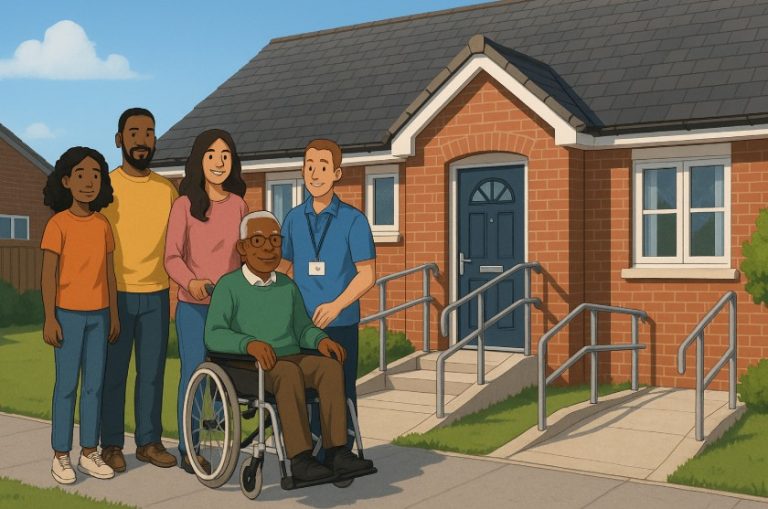
If you receive PIP and your home has been adapted for your condition, for example, an extra room for medical equipment or an accessible bathroom, you may be eligible for a Disabled Band Reduction. This reduces your council tax band by one level, effectively lowering your bill.
PIP and Other Council Tax Discounts
In some councils, PIP recipients are considered part of a protected group under CTR schemes. This may entitle you to more substantial support or exemption, particularly if you’re also on other qualifying benefits.
Real-Life Example:
Amanda, aged 47, receives PIP for a mobility impairment and lives alone in a two-bedroom flat. Her home has been adapted with a stairlift and a ground-floor wet room. Upon applying, she was granted a Disabled Band Reduction, moving her council tax band from C to B, reducing her bill by approximately £300 annually.
Who Is Fully or Partially Exempt from Paying Council Tax in the UK?
Certain individuals or households are not required to pay council tax or may receive substantial discounts. These exemptions are different from CTR and are based on specific personal or household circumstances.
Common Council Tax Exemptions and Discounts:
| Exemption/Discount Type | Who Qualifies | Reduction/Relief |
|---|---|---|
| Full-time students | All adult residents are full-time students | 100% exemption |
| Severely mentally impaired | Certified medical condition and eligible benefits | 100% exemption |
| Live-in carers | Unpaid carers for non-spouse/partner | Possible exemption |
| Single person discount | Lives alone | 25% discount |
| Empty/unfurnished property | Property vacant for a set time | Temporary exemption |
These exemptions apply separately from benefit entitlement and may be combined with CTR in some cases.
Can You Refuse to Pay Council Tax If You’re on Benefits?
Refusing to pay council tax, even if you’re on benefits or struggling financially, is not a legal option. Local authorities are empowered to enforce payment, and non-payment can escalate into serious financial and legal trouble.
While support schemes are in place to help, they require proactive application and communication.
If you simply stop paying, your local council may initiate recovery action, which includes:
- Reminders and final notices
- Court summons
- Liability orders
- Enforcement by bailiffs
- Deductions from benefits (e.g., Universal Credit)
It’s important to remember that refusal to pay without engaging with your council is treated differently from inability to pay with reasonable excuse (explained below).
What Is Considered a Reasonable Excuse for Not Paying Council Tax?
In specific cases, local authorities may consider delaying enforcement or offering more time to pay if the resident has a reasonable excuse. This doesn’t cancel your liability but may prevent immediate legal action.
Acceptable Reasonable Excuses Can Include:
- Recent loss of income or job
- Sudden illness or hospitalisation
- Awaiting a benefits decision or appeal
- Family bereavement affecting financial affairs
- Administrative errors or delays in CTR processing
Real-Life Example:
Michael, a self-employed tradesman, applied for Universal Credit and CTR after his work dried up during a regional lockdown. Due to system delays, he didn’t receive his CTR decision for two months. His council agreed to pause enforcement after he submitted proof of his claim and a letter explaining his situation.
Councils are encouraged to act fairly but rely on clear communication and documentation from claimants. Ignoring council tax letters or avoiding contact typically leads to enforcement.
What Should You Do If You’re on Benefits and Struggling to Pay Council Tax?
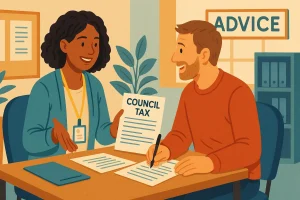
If you’re facing difficulty paying your council tax while on benefits, it’s essential to take proactive steps. Support is available, but only if you engage early and clearly with your local council.
Suggested Actions:
- Apply for Council Tax Reduction (CTR) immediately if you haven’t already.
- Contact your local council to explain your financial situation and ask about hardship support or payment arrangements.
- Keep documentation of benefit claims, medical conditions, and any other factors that support your case.
- Seek advice from a welfare support organisation or local Citizens Advice for help with applications and appeals.
Being on benefits does not remove your legal obligation to pay council tax, but it does qualify you for help that can significantly reduce your bill or protect you from enforcement action.
Conclusion
So, do you have to pay council tax if you’re on benefits in the UK? In most cases, yes , but how much you pay can be significantly reduced through support schemes like Council Tax Reduction, disability discounts, and other local exemptions.
Each council operates under different rules, so it’s crucial to apply directly, provide supporting evidence, and communicate any financial difficulties early.
Receiving benefits doesn’t automatically exempt you, but it does open the door to vital help. By understanding your rights and responsibilities, you can protect your finances and avoid enforcement action.
Frequently Asked Questions
Can a change in your benefits affect your council tax reduction?
Yes, any change in your income or benefit status should be reported to your council. This can increase or decrease your CTR entitlement depending on the circumstances.
How do you backdate a council tax reduction claim?
Some councils allow CTR claims to be backdated for up to three months, but you’ll need to provide a valid reason for the delay in applying.
What happens to your council tax if you move while on benefits?
You must inform both your old and new councils when you move. CTR doesn’t transfer automatically, you’ll need to reapply in the new local authority area.
Is council tax support the same across all UK councils?
No, each council sets its own rules and criteria for working-age claimants. Pensioners are generally subject to national rules.
Do you need to report changes in circumstances for council tax help?
Yes, councils require updates on any changes in income, benefits, household members, or property use to keep your CTR accurate.
How often do you have to reapply for council tax reduction?
Many councils review CTR annually or if your circumstances change. Check your local council’s policy for specific guidance.
Can you get both housing benefit and council tax support?
Yes, but they are separate schemes. Housing Benefit helps with rent, while CTR helps with council tax. Each requires a separate application.