
What is a First Commitments Appointment Universal Credit?
Have you just applied for Universal Credit and been asked to attend a “first commitments appointment”? If so, you might be wondering what this meeting involves and why it’s such an important part of the claims process.
The first commitments appointment is a crucial step in receiving Universal Credit in the UK.
It’s where claimants meet with a work coach to discuss their personal circumstances, outline what is expected of them, and formally agree to a claimant commitment.
Without completing this step, your Universal Credit claim cannot progress, and your payments may be delayed.
In this guide, you’ll find a clear explanation of what the appointment involves, what documents to bring, what to expect during the meeting, and how to prepare effectively.
Whether you’re new to the benefits system or just need clarity, this article aims to help you feel confident and well-prepared for your appointment.
What is the Purpose of the First Commitments Appointment for Universal Credit?

When someone applies for Universal Credit for the first time, they are required to attend a first commitments appointment.
This meeting is an essential step in the claims process and plays a central role in shaping how the claimant will receive their benefits going forward.
The purpose of the appointment is to formally establish a claimant’s circumstances and determine what responsibilities they must agree to in exchange for receiving Universal Credit.
These responsibilities are recorded in a document known as the claimant commitment. It serves as a personal agreement between the individual and the Department for Work and Pensions (DWP).
The appointment is also where the claimant is placed into one of four “conditionality” groups.
These groups define what actions they need to take, such as job-seeking activities or attending training, depending on their situation.
For example, someone who is actively seeking work will have different expectations placed on them than someone who has a disability or caring responsibilities.
What Can You Expect During Your Universal Credit First Appointment?
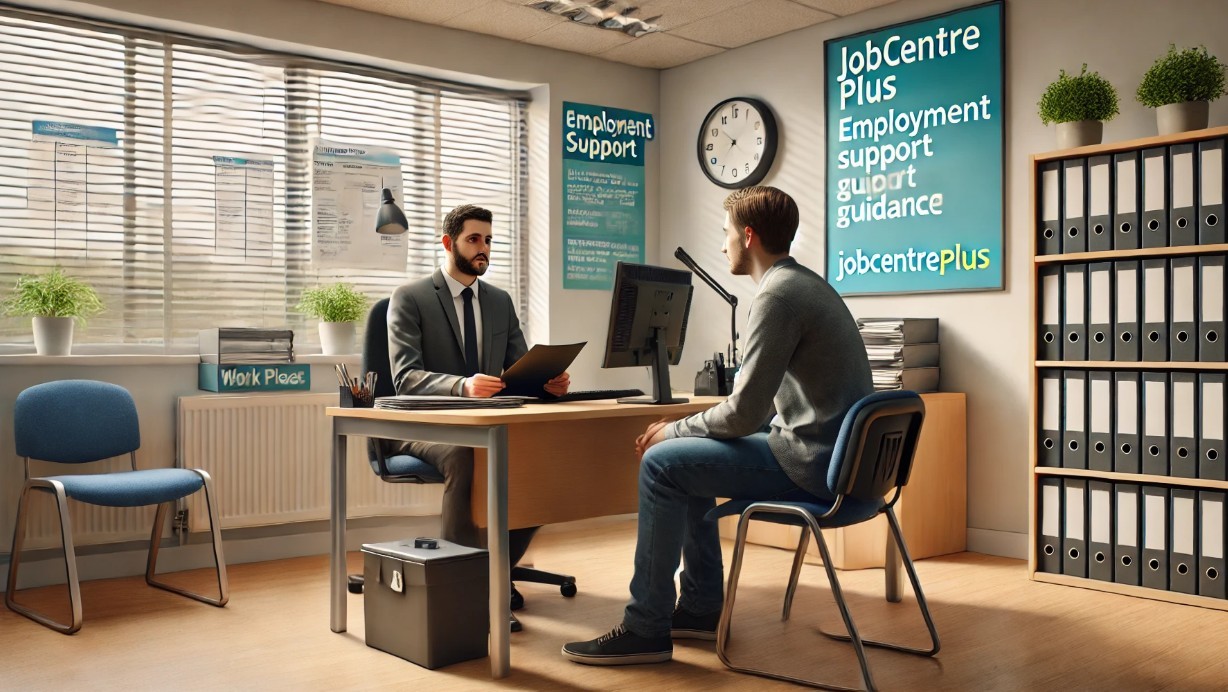
The first commitments appointment typically takes place at a Jobcentre Plus office, though in certain situations it may be conducted over the phone or via video call.
During the meeting, the claimant will meet their assigned work coach, who will serve as their main point of contact throughout their Universal Credit claim.
The session usually starts with the work coach reviewing the claimant’s submitted information to confirm the accuracy of their online application.
Following that, a detailed conversation takes place regarding their personal situation this may include their employment status, health, housing, family commitments, and any barriers to work.
This information helps the work coach make an informed decision about which conditionality group the claimant should be assigned to.
They then discuss what reasonable actions the claimant can take such as applying for jobs or attending skills workshops and include these in the claimant commitment.
The entire appointment usually lasts between 30 minutes to an hour, depending on the complexity of the individual’s situation.
What is the Universal Credit Claimant Commitment and Why Does it Matter?

At the heart of the first commitments appointment is the creation of the claimant commitment. This is not just a formality it’s a legally binding agreement that sets out the expectations between the claimant and the DWP.
The commitment outlines what the claimant needs to do to continue receiving their payments. These activities are based on the conditionality group assigned during the meeting.
For example, someone in the “all work-related requirements group” might need to apply for a certain number of jobs each week or attend regular work-focused interviews.
On the other hand, someone with limited capability for work might only be expected to engage in occasional check-ins or development plans.
This commitment is regularly reviewed and can be updated if the claimant’s situation changes.
It’s crucial to be honest and open during the appointment, as failure to meet the agreed requirements can lead to sanctions, which reduce the amount of Universal Credit received.
What Documents Should You Bring to Your First Universal Credit Appointment?
To ensure that the appointment runs smoothly, claimants are asked to bring several supporting documents that help verify their identity and living circumstances. This step is critical in confirming eligibility for Universal Credit.
At a minimum, claimants should bring:
- Proof of identity such as a passport, driving licence, or birth certificate.
- Proof of address like a recent utility bill or tenancy agreement.
- Bank account details to enable payment processing.
- Evidence of income or employment, such as recent payslips or a letter from an employer.
- If applicable, receipts for childcare costs or other expenses that affect the claim.
If any of these documents are missing or incomplete, it may delay the processing of the Universal Credit application. In some cases, the work coach may schedule a follow-up appointment to complete the verification process.
How Should You Prepare for the First Commitments Appointment?

Preparation is key to making your first commitments appointment a success. While the meeting is designed to be informative and supportive, it’s also a formal step in the benefit application process.
Arriving well-prepared shows that you’re taking the process seriously and ready to engage. One of the best ways to prepare is to review the details you submitted in your online application.
Make sure everything is accurate and up-to-date, especially information about your employment history, living arrangements, and health status.
Next, consider your availability and any potential barriers to work. This could include childcare responsibilities, a long-term health condition, or transportation issues.
Being honest about these challenges allows your work coach to tailor the claimant commitment in a way that’s realistic and manageable.
It’s also helpful to jot down any questions or concerns you may have. For instance, you might want to ask about support for job training, how often you’ll need to attend appointments, or how to report changes in your circumstances.
What Does a Universal Credit Work Coach Do During the Appointment?
Your work coach is your main link to the Universal Credit system. Their role is to support you, help you move toward employment (if you’re able), and ensure that your responsibilities under Universal Credit are fair and achievable.
At the first appointment, their responsibilities include:
- Confirming your eligibility and reviewing your documentation
- Assessing your current situation and employment goals
- Assigning you to a suitable conditionality group
- Explaining the claimant commitment and helping you understand what’s expected
- Offering guidance on training programmes, job search techniques, or other support services
After the first meeting, your work coach will remain in contact through regular check-ins, follow-up appointments, or digital messages through your Universal Credit online account.
They also help you adjust your commitments as your circumstances evolve.
What Happens If You Miss the First Commitments Appointment?

Missing the first commitments appointment without a valid reason can seriously affect your Universal Credit claim. Because this meeting is mandatory, failing to attend it means that your application cannot proceed.
If you do miss the appointment, you should contact your local Jobcentre Plus as soon as possible. In many cases, you can reschedule the appointment, but you’ll need to provide a valid explanation.
Acceptable reasons might include illness, a family emergency, or transport issues ideally supported by evidence.
If you fail to attend and don’t provide a valid reason, you may face a sanction. This means your Universal Credit payments could be delayed, reduced, or even stopped altogether. Timely communication is key to avoiding these outcomes.
What Should Be on Your Checklist for the First Universal Credit Appointment?
Here’s a simplified reference to help you prepare for your appointment.
| Item | Description |
| ID Proof | Passport, driving licence, or birth certificate |
| Address Proof | Recent utility bill or official tenancy agreement |
| Employment Info | Payslips or confirmation from your employer |
| Childcare Costs | Receipts or proof of payments (if applicable) |
| Bank Details | Account information to receive your payments |
How Does the First Appointment Fit Into the Universal Credit Assessment Period?
The first commitments appointment is one of the earliest steps in the Universal Credit application timeline.
Once you’ve submitted your application online, your assessment period begins immediately this is a one-month period used to calculate how much Universal Credit you’re entitled to.
The timing of your appointment is important because it determines when your claimant commitment is signed. Until the commitment is agreed upon, your claim cannot progress fully, even if your assessment period has already started.
Once your assessment period ends, you should receive your first Universal Credit payment seven days later, provided everything has been completed correctly.
That’s why attending the first commitments appointment promptly is essential for receiving payments on time.
What Questions Should You Ask During the First Universal Credit Interview?
Although the appointment is led by the work coach, claimants are encouraged to ask questions and seek clarification. Being informed from the start can prevent confusion later and help you make the most of the support available.
Some helpful questions might include:
- What happens if my situation changes in the next few months?
- Can I update or challenge my claimant commitment?
- What help is available for finding work or improving skills?
- How often will I need to attend the Jobcentre?
- How do I report changes or ask for support online?
Asking these questions shows that you’re engaged and proactive, which helps build a good working relationship with your work coach.
What’s the Best Way to Approach Your First Commitments Appointment?

Approaching your appointment with the right mindset can make all the difference.
This is not just a formality it’s your opportunity to establish a clear and supportive relationship with the DWP, while ensuring your benefits reflect your actual circumstances.
Be honest about your needs and challenges. If you’re struggling with health issues, mental health, housing instability, or caring for a child or dependent, be open about it.
These factors directly affect your responsibilities under the claimant commitment and may qualify you for reduced requirements or additional support.
Treat the appointment as a professional interaction. Be on time, bring your documents, and show a willingness to engage. Doing so helps ensure that your Universal Credit journey starts on the right foot.
Conclusion
The first commitments appointment is far more than just a formality it’s the starting point of your Universal Credit journey.
It allows the Department for Work and Pensions to understand your individual circumstances and set realistic expectations that support your move toward financial stability or employment.
By attending the appointment on time, bringing the correct documents, and engaging openly with your work coach, you’ll be setting yourself up for a smoother experience with Universal Credit.
Being well-prepared also means fewer delays in payment and a clearer understanding of what’s expected moving forward.
Remember, this appointment is designed to support you not to trip you up. Use it as an opportunity to build a strong foundation for your claim and to access the help and resources you may need.
FAQs About Universal Credit First Commitments Appointment
How long does a Universal Credit first appointment take?
It typically takes between 30 minutes and one hour, depending on how complex your personal situation is.
Can I bring someone with me to the appointment?
Yes, you can bring a support worker, family member, or friend. Let the Jobcentre know ahead of time if possible.
What if I don’t agree with the claimant commitment?
You can discuss your concerns with the work coach. If necessary, you can request a review or speak to a manager.
Do I need to dress formally for the appointment?
No, there’s no dress code. Just dress appropriately and be prepared with the right documents.
Will I receive payment after the first appointment?
You’ll receive your first payment about five weeks after your application date, assuming all steps (including this appointment) are completed.
Can the appointment be done over the phone or online?
Yes, in some cases especially for people with health conditions or caring responsibilities. This will be arranged by the Jobcentre.
What happens after the first commitments appointment?
You enter the assessment period and begin any agreed responsibilities. Your next appointments will be scheduled by your work coach.